
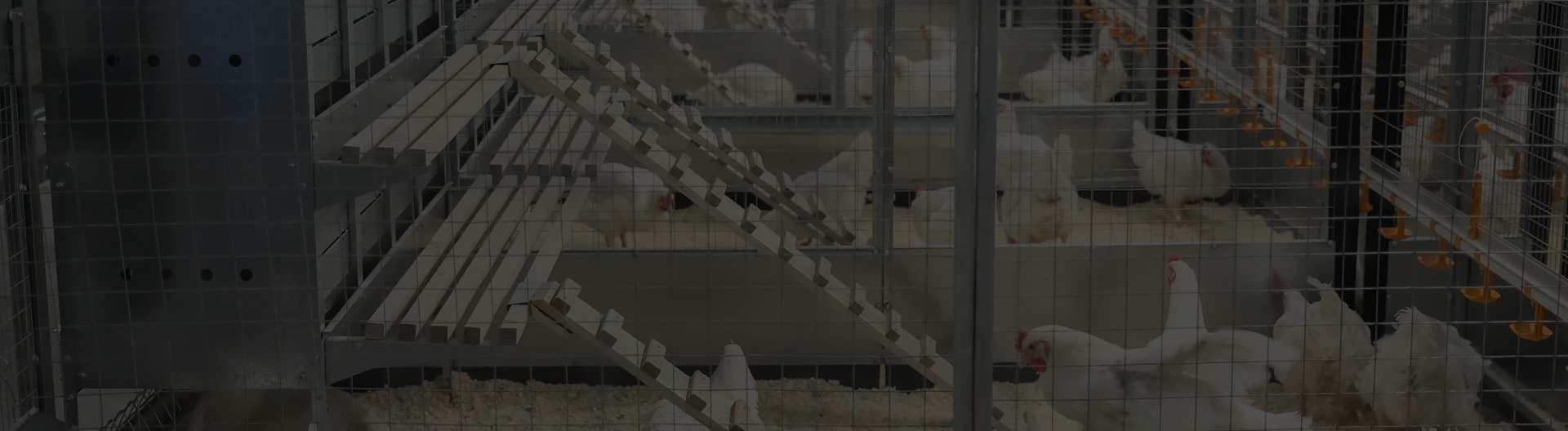
Durable and Efficient Breeding Cages for Rabbits – A Global Guide
Dec . 01, 2025 18:35 Back to list
Durable and Efficient Breeding Cages for Rabbits – A Global Guide
Breeding Cages for Rabbits: A Global Perspective on Sustainable Animal Husbandry
When you think about rabbit breeding or small-scale farming, "breeding cages for rabbits" might not be the first thing that pops into your head. Yet, these carefully designed cages are quiet workhorses in the agriculture and research worlds, bringing benefits that ripple through food security, scientific research, and even humanitarian relief efforts globally. Understanding these cages — their features, benefits, and challenges — unlocks a better approach to animal welfare and productivity worldwide.
Introduction: Why Breeding Cages Matter Globally
Rabbits are surprisingly important to millions of small-scale farmers worldwide, particularly in developing regions of Asia, Africa, and Latin America. According to the Food and Agriculture Organization (FAO), rabbit farming is a low-cost, high-yield method to produce protein and economic value for rural households. The World Bank notes that small livestock like rabbits support millions of families by offering fast reproduction cycles and relatively low input costs.
However, one of the biggest stumbling blocks for these farmers has been reliable breeding practices that also ensure animal health and welfare. Enter breeding cages for rabbits—a simple, yet transformative farming tool that offers containment, protection, and breeding control. Globally, these cages help reduce mortality rates, increase litter sizes, and improve feed efficiency, which is crucial when resources are tight.
Mini-takeaway: Breeding cages for rabbits aren’t just about holding animals—they’re about sustainable, responsible farming that supports livelihoods globally.
What Exactly Are Breeding Cages for Rabbits?
At its core, a breeding cage for rabbits is a specialized enclosure designed to house breeding pairs or does and their litters safely and efficiently. These cages vary from simple galvanized wire models to elaborate modular systems with feeders, nest boxes, and easy-clean features. The goal: maximize breeding success while minimizing stress and injury for the rabbits.
In industrial contexts and research facilities, breeding cages offer strict environment controls, helping to maintain consistent breeding cycles and reliable data. For humanitarian or subsistence applications, they represent a compact, easy-to-manage infrastructure that can be scaled from backyard farms to semi-commercial operations.
Key Features of Successful Breeding Cages
Durability
A cage is only as good as how long it lasts in real-world conditions. Many engineers advocate for galvanized steel wire to prevent rust and corrosion, especially in humid or tropical climates. Durability also includes solid framing and secure latches, as rabbits are quite adept at escape attempts. The cage should withstand cleaning chemicals, sunlight, and rough handling without compromising shape or safety.
Ventilation & Hygiene
Proper airflow prevents respiratory diseases, which are unfortunately common in rabbits. Breeding cages usually feature open wire sides, allowing fresh air while protecting from predators. Removable trays or drop pans simplify droppings collection, speeding up regular cleaning. Oddly enough, the success rate of litters often hinges on how well hygiene can be maintained.
Comfort & Nesting
Rabbits are surprisingly sensitive when it comes to nesting spaces. A cozy, private nest box where the doe can safely deliver and nurse her kits is a must. Some cages come with insulated nesting compartments or removable wooden textiles to help mimic natural conditions. This goes a long way toward reducing maternal stress and enhancing survival rates.
Scalability & Cost Efficiency
Scalability is huge in rural farming innovations. Farmers and breeders often start small and then scale operations as demand or income grows. Modular cages that snap together or can be stacked are common solutions. Cost-wise, cages must balance affordability with longevity — cheaply made cages rarely pay off in the long term due to replacements and health issues.
User-friendly Design
Many breeders appreciate cages that are easy to access, clean, and rearrange. Features like sliding doors, quick-release trays, and detachable feeders reduce labor time—critical when tending dozens of animals daily. Sometimes, it’s the little comforts that keep breeders loyal to a design.
Specification Table: Typical Breeding Cage for Rabbits
| Feature | Specification |
|---|---|
| Material | Galvanized steel wire mesh with powder-coated frame |
| Dimensions | 100cm (L) x 50cm (W) x 45cm (H) |
| Nesting Box | Detachable insulated wooden box |
| Cleaning | Removable bottom tray for waste |
| Access | Sliding front door with secure latch |
| Weight | Approx. 8kg |
Global Applications & Real-World Use Cases
Breeding cages for rabbits find relevance in diverse settings:
- Smallholder Farms in Sub-Saharan Africa: Many farmers rely on affordable, durable cages for quick food supply and income generation.
- European Research Labs: Controlled breeding cages standardize rabbit research — from vaccine trials to behavioral studies.
- Disaster Relief & Refugee Programs: Rabbits provide a compact, sustainable protein source in camps; portable cages enable easy transport and deployment.
- Urban Farming in Asia: Space-saving cage designs help meet rising urban food demand with limited land.
Mini-takeaway: It’s fascinating how a simple object like a rabbit cage plays varied roles—from a scientific tool to a lifeline in emergencies.
Advantages & Long-Term Value of Using Breeding Cages for Rabbits
Here’s the gist: these cages improve survival rates, reduce disease outbreaks, and streamline care routines. That translates into more consistent income for farmers, more reliable data for researchers, and better animal welfare overall. Emotionally, owners often report greater trust and pride in their herds when using well-designed cages — knowing their animals are safe and comfortable is priceless.
From a sustainability angle, durable cages mean less waste and fewer replacements, fitting well into eco-conscious farming methods. Lastly, better breeding setups often accelerate genetic improvements, advancing rabbit stocks for future resilience.
Future Trends & Innovations on the Horizon
What’s next? I’ve noticed a trend towards integrating technology—think sensors to monitor temperature, humidity, and even the health status of does and kits remotely. Materials science innovations like biodegradable or recycled composites could replace steel wire for even greener solutions.
Automation in feeding and cleaning is another realm that’s gaining traction, especially in more industrialized operations. Couple that with digital records and you’ve got data-rich breeding systems that can optimize nutrition, breeding intervals, and resource use.
Challenges & How Expert Solutions Are Shaping Up
Of course, no tool is perfect. Common issues like cage size standardization or ventilation design can impact animal welfare if neglected. Plus, the upfront cost or unavailability of suitable cages in some rural areas remain hurdles.
Experts suggest customizable modular designs that can adapt to local materials and climates. Training farmers on husbandry and regular maintenance also cuts down problems substantially. NGOs and agricultural extension services often play a pivotal role in overcoming these challenges.
Vendor Comparison: Popular Breeding Cage Options
| Vendor | Material | Price Range | Notable Features | Ideal For |
|---|---|---|---|---|
| EcoRabbit Cages | Recycled plastic & steel mesh | $70-$90 | Lightweight, weather-resistant | Small farms, urban settings |
| FarmMaster Wire Cages | Galvanized steel wire | $50-$75 | Durable, modular stack design | Commercial breeders |
| NestBuild Pro | Powder-coated steel and wood | $80-$110 | Insulated nest boxes included | Research & hobby breeders |
Frequently Asked Questions About Breeding Cages for Rabbits
1. What size breeding cage is ideal for a doe and her litter?
Standard recommendations suggest a minimum floor space of 0.5 to 1 square meter, with enough height to comfortably house the doe and allow kits to move freely. Nest boxes should be snug but roomy enough to avoid overcrowding. Precise sizes often depend on breed and the breeder’s goals.
2. How often should rabbit breeding cages be cleaned?
It’s best to perform spot cleaning daily—removing droppings and soiled bedding—and a full clean weekly. Frequent cleaning helps limit bacteria and parasites, reducing disease risk and improving litter success rates.
3. Can breeding cages be used outdoors year-round?
Many cages are designed for outdoor use, but protection from extreme weather is crucial. Adding shelters or insulation might be necessary in colder climates, and cages should be elevated to prevent flooding and protect from predators.
4. How can I ensure my breeding cage design promotes rabbit welfare?
Focus on adequate space, good ventilation, secure nesting areas, ease of cleaning, and protection from stressors. Using non-toxic materials and avoiding sharp edges are also essential. Consulting guidelines from animal welfare organizations like the Australian Standard for the Care and Use of Animals can help.
5. Where can I find affordable breeding cages for rabbits?
Many local agricultural suppliers, online retailers, and specialty manufacturers cater to different budgets. For customized or bulk purchases, contacting vendors like those listed above or government extension services might offer discounts or group buys.
Wrapping Up: Better Breeding, Better Futures
Breeding cages for rabbits might sound niche, but their impact spans industries and continents. They embody practical innovation, animal welfare, and sustainability in farming and research. Whether you’re a farmer next door or part of an international relief effort, the right cage can make all the difference.
Curious to learn more or shop top-quality options? Visit our site for a detailed range of breeding cages for rabbits crafted to fit every need and environment.
References:
1. Food and Agriculture Organization of the United Nations (FAO), Rabbit farming overview
2. World Bank, Small Livestock Statistics, Livestock data
3. Australian Standard for the Care and Use of Animals (2013), Animal welfare guidelines
-
Comprehensive Guide to Plastic Vacuum Packaging Machines: Benefits, Uses & Trends
NewsDec.03,2025
-
Comprehensive Guide to Sausage Vacuum Packaging Machines: Benefits, Uses, and Future Trends
NewsDec.03,2025
-
Vacuum Plastic Packaging Machine - Global Applications, Benefits & Future Trends
NewsDec.03,2025
-
Comprehensive Guide to Sheep Feed Pellet Machine – Benefits, Uses & Future Trends
NewsDec.02,2025
-
Horse Feed Pellet Machine: Essential Guide to Features, Benefits, and Global Applications
NewsDec.02,2025
-
Small Pellet Feed Making Machine: Benefits, Uses & Future Trends | Yize Machine
NewsDec.02,2025





 Afrikaans
 Albanian
 Amharic
 Arabic
 Armenian
 Azerbaijani
 Basque
 Belarusian
 Bengali
 Bosnian
 Bulgarian
 Catalan
 Cebuano
 Corsican
 Croatian
 Czech
Czech
 Danish
 Dutch
Dutch
 Esperanto
 Estonian
 Finnish
 French
 Frisian
 Galician
 Georgian
 German
 Greek
Greek
 Gujarati
 Haitian Creole
 Hausa
Hausa
 Hawaiian
 Hebrew
 Hindi
Hindi
 Miao
Miao
 Hungarian
 Icelandic
 Igbo
Igbo
 Indonesian
 Irish
Irish
 Italian
 Japanese
 Javanese
 Kannada
 Kazakh
 Khmer
Khmer
 Rwandese
 Korean
 Kurdish
 Kyrgyz
 Lao
Lao
 Latin
Latin
 Latvian
 Lithuanian
 Luxembourgish
 Macedonian
 Malgashi
 Malay
Malay
 Malayalam
 Maltese
 Maori
Maori
 Marathi
 Mongolian
 Myanmar
 Nepali
 Norwegian
 Norwegian
 Occitan
 Pashto
 Persian
 Polish
 Portuguese
 Punjabi
 Romanian
 Russian
 Samoan
 Scottish Gaelic
 Serbian
 Sesotho
 Shona
Shona
 Sindhi
 Sinhala
 Slovak
 Slovenian
 Somali
 Spanish
 Sundanese
 Swahili
 Swedish
 Tagalog
 Tajik
Tajik
 Tamil
Tamil
 Tatar
Tatar
 Telugu
 Thai
Thai
 Turkish
 Turkmen
 Ukrainian
 Urdu
Urdu
 Uighur
 Uzbek
Uzbek
 Vietnamese
 Welsh
Welsh
 Bantu
Bantu
 Yiddish
 Yoruba
 English