Comprehensive Guide to Designing and Making a Pig Pen for Optimal Animal Welfare
Feb . 28, 2026 01:55 Back to list
Comprehensive Guide to Designing and Making a Pig Pen for Optimal Animal Welfare
Making a Pig Pen: A Comprehensive Guide to Design and Construction
Creating a comfortable, safe, and efficient pig pen is crucial for successful pig farming. A well-designed pen minimizes stress for the animals, facilitates cleaning, and helps prevent disease. This article will cover the essential considerations for making a pig pen, from materials and size to construction techniques and crucial features. Proper planning will not only benefit your pigs but also streamline your farm management.
Essential Considerations When Making a Pig Pen
Before starting construction, several key factors need careful consideration. These include the number of pigs you intend to house, the climate, available space, and budget. Pig pens should provide adequate space for pigs to move, rest, and exhibit natural behaviors. Proper ventilation is vital to prevent ammonia buildup and respiratory issues. Flooring should be durable, easy to clean, and provide adequate traction. Lastly, security measures are necessary to prevent escapes and protect against predators.
Key Highlights: Adequate space, proper ventilation, durable flooring, and robust security are the cornerstones of effective pig pen design.
Materials for Pig Pen Construction
The choice of materials significantly impacts the longevity, cost, and ease of maintenance of your pig pen. Commonly used materials include wood, concrete, metal, and plastic. Wood is relatively inexpensive but requires regular maintenance to prevent rot and damage from pigs. Concrete is durable and easy to clean, but can be costly and cold for the animals. Metal provides strength and durability, while plastic is lightweight and corrosion-resistant but may not be as strong as other options. Selecting the right combination of materials, based on your budget and climate, is essential.
Material Comparison:
• Wood: Affordable, requires regular maintenance.
• Concrete: Durable, easy to clean, potentially costly.
• Metal: Strong, durable, can be expensive.
• Plastic: Lightweight, corrosion-resistant, less durable.
Pig Pen Size and Space Requirements
Providing adequate space is vital for pig welfare and growth. The required space per pig varies depending on its weight and age. Generally, piglets need around 0.5-1 square meter each, while growing pigs require 1.5-2 square meters. Adult sows need at least 2.5-3 square meters, and boars require even more space. Overcrowding can lead to stress, aggression, and increased disease transmission. Consider future growth when planning the size of your pig pen.
Key Features for Optimal Pig Pen Design
Beyond size and materials, specific features can significantly improve the functionality and welfare aspects of your pig pen. These include appropriate flooring (slatted or solid with good drainage), a feeding system that minimizes waste and competition, a water supply that provides constant access to fresh water, and a shaded area to protect pigs from the sun. Consider installing enrichment items, such as toys or rooting materials, to encourage natural behaviors and reduce boredom. Efficient cleaning access is also critical for maintaining hygiene.
Construction Tips for Making a Pig Pen
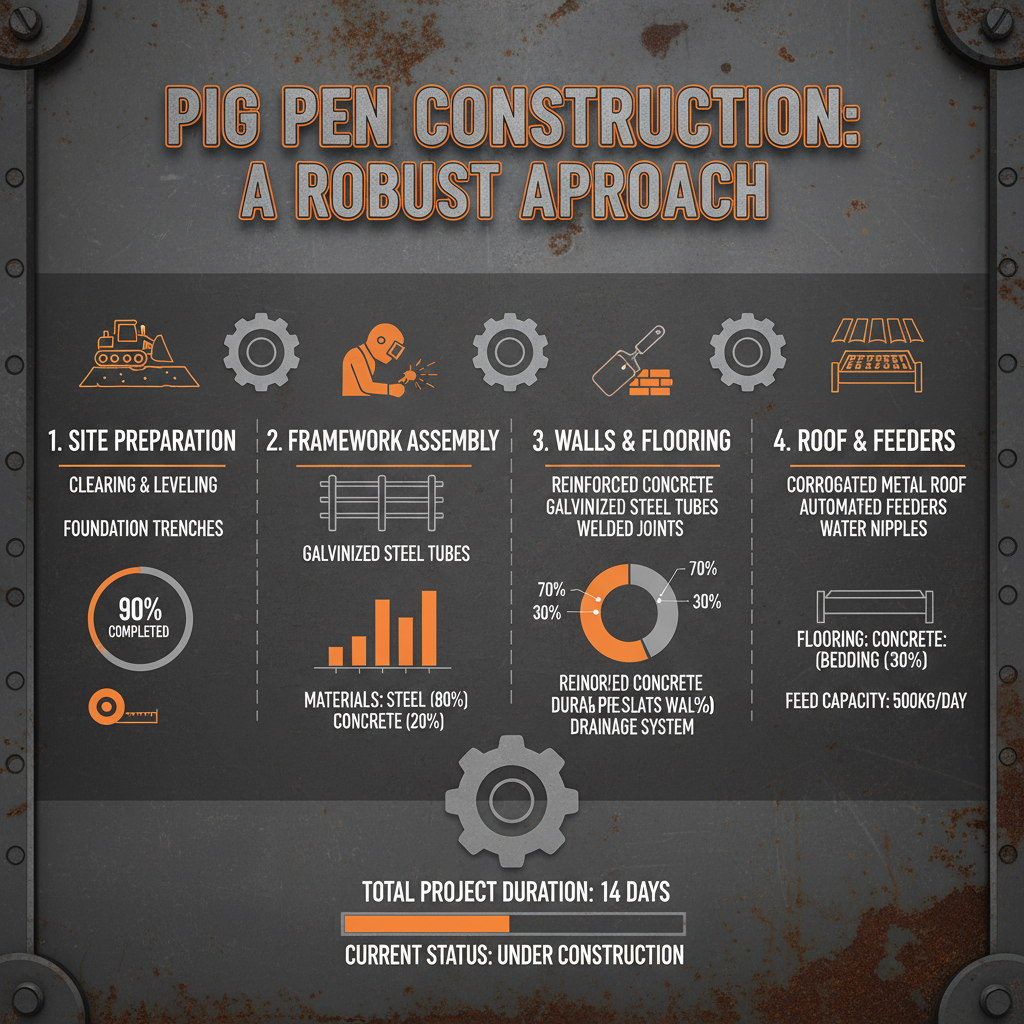
When building your pig pen, prioritize sturdiness and security. Ensure all posts are firmly anchored in the ground and that fencing is strong enough to withstand the force of pigs leaning or rubbing against it. Use galvanized steel hardware to prevent rust. Proper drainage is critical to prevent mud and standing water. Regularly inspect the pen for damage and make repairs promptly. Investing in quality construction upfront will save you time and money in the long run. Consider consulting with experienced pig farmers or agricultural engineers for expert advice. If you're looking for robust equipment to aid in farm tasks, explore Yizemachine’s offerings.
Conclusion: Building for Success
Successfully making a pig pen requires careful planning, appropriate material selection, and diligent construction. Prioritizing pig welfare, hygiene, and security will contribute to a thriving and profitable pig farming operation. By following the guidelines outlined in this article, you can create a pig pen that meets the needs of your animals and simplifies your farm management.
Frequently Asked Questions (FAQs)
What type of flooring is best for a pig pen?
The best flooring depends on your climate and management practices. Slatted flooring allows manure to fall through, reducing cleaning time and maintaining dryness, but can be less comfortable for pigs. Solid flooring with good drainage requires more frequent cleaning but provides a more natural surface. Concrete is durable but can be cold; consider adding bedding for warmth. A combination of slatted and solid areas can also be effective, providing both comfort and hygiene.
How important is ventilation in a pig pen?
Ventilation is crucial for pig health. Poor ventilation leads to a buildup of ammonia from manure, causing respiratory problems and reduced growth rates. Adequate ventilation removes moisture, odors, and harmful gases, creating a healthier environment. Natural ventilation can be achieved through open sides and roof vents, while mechanical ventilation uses fans to control airflow. Ensure the ventilation system provides sufficient fresh air without creating drafts.
What are some enrichment ideas for pigs in a pen?
Pigs are intelligent animals and benefit from enrichment to prevent boredom and reduce aggression. Rooting materials like straw, wood shavings, or peat moss allow them to express natural behaviors. Toys, such as balls, chains, or old tires, can provide mental stimulation. Providing access to outdoor areas or allowing interaction with other pigs can also enrich their environment. Rotating enrichment items keeps pigs engaged and prevents them from becoming bored.
How often should a pig pen be cleaned?
Pig pens should be cleaned regularly to maintain hygiene and prevent disease. Daily spot cleaning to remove manure and spilled feed is essential. A thorough cleaning and disinfection should be performed at least weekly, or more frequently if the pen is heavily soiled. Removing all manure, washing the flooring with a disinfectant solution, and allowing the pen to dry completely before introducing new pigs are crucial steps.
-
Professional Mini Poultry Cage for Efficient Small Scale Farming
NewsApr.16,2026
-
Optimizing Poultry Production with Advanced Cage System Poultry
NewsApr.09,2026
-
Optimizing Layer Poultry Cages for Efficient and Profitable Egg Production
NewsApr.07,2026
-
Comprehensive Guide to Poultry Cages for Layers and Modern Farming Solutions
NewsApr.04,2026
-
Comprehensive Guide to Optimizing Poultry Laying Cages for Egg Production
NewsMar.31,2026
-
Maximize Egg Production with Efficient Poultry Layer Cage Systems
NewsMar.28,2026