
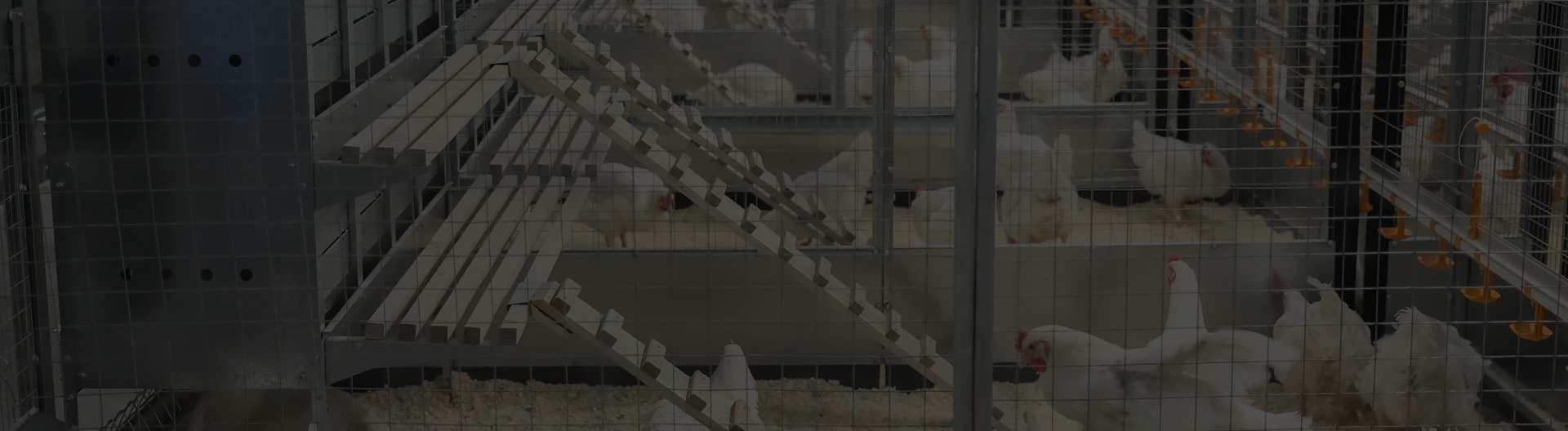
Comprehensive Guide to Cage Layer Chicken Farming Systems | Global Insights & Innovations
Nov . 26, 2025 23:15 Back to list
Comprehensive Guide to Cage Layer Chicken Farming Systems | Global Insights & Innovations
Understanding the Cage Layer Chicken: Why It Matters Globally
At first glance, when we talk about cage layer chicken, it might seem like a niche agricultural term—you know, just another farming method. But if you zoom out a bit, it becomes clear that cage layer chickens play a pivotal role in global food security, sustainable agriculture, and even socioeconomic stability in many regions around the world. They’re the backbone of commercial egg production systems that feed millions daily. Understanding the intricacies of cage layer chicken management doesn’t just help farmers improve yields—it hints at solutions for poverty alleviation, resource efficiency, and animal welfare conversations worldwide.
Oddly enough, many people overlook how these poultry farming methods ripple outwards — texturing entire supply chains, influencing environmental footprints, and shaping rural livelihoods. In this article, we’ll dissect the critical components of cage layer chicken rearing, reveal their global importance, and glimpse what the future holds for this steady industry cornerstone.
The Global Context: Why Cage Layer Chickens are Essential Today
To appreciate cage layer chicken systems, it helps to start with some big-picture numbers. According to the Food and Agriculture Organization (FAO), global egg production exceeded 80 million metric tons in recent years, largely driven by intensive rearing methods using cage layers. In parts of Asia, Africa, and Latin America, eggs provide an affordable, protein-rich staple crucial for combatting malnutrition.
Yet, challenges linger. Cage layer chickens highlight the tension between maximizing output and managing animal welfare, environmental sustainability, and disease risk. For example, the UN’s Sustainable Development Goals emphasize reducing hunger (#2) while promoting responsible production (#12). Cage layer systems sit right at that intersection — offering scalable, cost-effective solutions but demanding ongoing innovation to reduce ecological footprints and improve living conditions.
What Exactly Is a Cage Layer Chicken?
Put simply, a cage layer chicken is a hen specifically kept in a controlled enclosure to lay eggs, generally within a commercial poultry farming facility. Instead of roaming freely, these chickens are housed in cages—typically called “battery cages”—which allow farmers to efficiently manage large flocks on compact footprints.
While this setup has evolved over the decades (modern cage systems are often multi-tiered and climate-controlled), it remains a key part of meeting global egg demands efficiently. Of course, there’s an ongoing debate between cage systems and cage-free or free-range alternatives, but from an industry perspective, cage layers represent a practical, if somewhat controversial, mainstream approach.
It’s fairly interesting how such simple units—effectively “units of production”—connect directly to billions of breakfasts worldwide. This is one of those often-unnoticed tech revolutions on farms.
Key Components of Cage Layer Chicken Systems
- Housing Design & Durability: Modern cages are made from galvanized steel or plastic-coated wire to withstand corrosion and wear. Their design ensures easy collection of eggs and manure while minimizing chicken injury.
- Scalability: Large-scale farms house tens of thousands of cage layers, arranging cages in rows and tiers. This modular setup allows farms to grow or shrink capacity based on market demand.
- Nutrition & Feeding: Automated feeding systems deliver scientifically balanced diets to maximize egg production and maintain hen health.
- Waste Management: Efficient manure removal systems are essential to reduce odors, improve hygiene, and recycle nutrients as fertilizer.
- Environmental Controls: Proper ventilation, temperature regulation, and lighting cycles mimic natural conditions, optimizing laying frequency.
- Animal Welfare Monitoring: Sensors and monitoring software increasingly track hen behavior to detect stress or illness early.
These factors aren’t just buzzwords; they shape production costs, product quality, and even compliance with evolving ethical regulations.
Global Applications of Cage Layer Chickens
Industries and regions around the world rely heavily on cage layer chickens:
- Asia-Pacific: Countries like China and India have massive commercial poultry operations where cage layers support urban egg demand.
- Africa: Emerging agribusinesses use cage layer farms to improve income opportunities and nutrition in rural communities.
- Latin America: Nations leverage cage layer technology for export-grade egg production.
- Institutional Uses: NGOs integrate small-scale cage layer setups in post-disaster relief to foster food self-reliance.
A notable example is a poultry cooperative in Kenya that introduced improved cage layer facilities in off-grid villages, which led to a 30% rise in household incomes within a year. This case highlights how technology transfer in this area can directly benefit vulnerable populations.
The Advantages: More Than Just Egg Output
Why do farmers and governments keep investing in cage layer chicken technology? Because it offers tangible advantages beyond just high egg counts:
- Cost-efficiency: Lower space requirements per hen mean better land use and scalable production.
- Sustainability: Waste can be managed systematically, reducing environmental impact compared to free-range setups.
- Social Impact: Employment generation and steady income streams support rural livelihoods.
- Reliability: Controlled conditions improve flock health and minimize losses from predators or disease.
- Ethical Progress: Newer cage designs factor in animal welfare, balancing productivity and humane treatment.
Frankly, the emotional resonance of knowing your breakfast eggs come from well-managed farms, where animal welfare is improving stepwise, can add a lot to consumer trust. It’s a slow but necessary transformation.
Looking Ahead: Innovations Shaping Cage Layer Chicken Farming
The future points toward “smart farming” for cage layers, integrating:
- IoT sensors for real-time health diagnostics
- Automated feeding and lighting systems tuned by AI
- Eco-friendly materials replacing conventional cages
- Biodegradable waste recycling technologies
- Renewable energy-powered facilities reducing carbon footprints
Moreover, policy pushes from European and Asian markets encourage higher welfare standards, nudging farms towards enriched cage systems or innovative cage-free hybrids.
Challenges and Solutions in Cage Layer Chicken Practices
Cage systems are not without critics or hurdles. Common challenges include:
- Public concerns about bird welfare and cramped conditions
- High upfront infrastructure costs for small farmers
- Disease control in densely populated cages
- Regulatory compliance across different countries
However, many farms are mitigating these through:
- Adopting enriched cages with perches and nesting spaces
- Training farmers on biosecurity and health monitoring
- Accessing microfinance to build better infrastructure
- Working closely with NGOs and gov agencies for standards alignment
Overall, solutions are evolving alongside the industry — and the future looks quite adaptable.
Product Specification Table for Cage Layer Chicken Systems
| Specification | Typical Value | Notes |
|---|---|---|
| Cage Material | Galvanized Steel / PVC-coated Wire | Durable, corrosion-resistant |
| Standard Cage Size (per hen) | 430 cm² to 750 cm² | Varies by welfare regulations |
| Average Egg Production (per hen/year) | 250 – 300 eggs | Under optimized conditions |
| Feeding System | Automated Feeders | Ensures consistent nutrition |
| Manure Collection | Conveyor Belt Systems | Improves hygiene and sustainability |
| Ventilation | Forced-Air Systems | Maintains temperature & air quality |
Vendor Comparison Table: Leading Cage Layer Chicken System Providers
| Vendor | Product Range | Price Range | Key Strength |
|---|---|---|---|
| PoultryPro Inc. | Battery & Enriched Cages | $$$ | High durability & welfare design |
| AgriNest Solutions | Modular Cage Systems | $$ | Cost-effective & scalable designs |
| HenHouse Tech | Automated Feeding & Monitoring | $$$ | Advanced IoT integrations |
| EcoLayer Systems | Eco-Friendly Cage Materials | $$$ | Sustainable & biodegradable materials |
FAQ: Frequently Asked Questions About Cage Layer Chicken
1. What makes cage layer systems more efficient than free-range?
Generally, cage layer systems allow for denser stocking and tighter resource use, meaning farmers can produce more eggs on less land. Automated feeding, ventilation, and egg collection reduce labor and operational costs. Still, these efficiencies come with trade-offs in animal movement.
2. Are cage layer chickens at higher risk for disease?
While high-density housing can increase disease transmission risk, strict biosecurity measures, routine health checks, and well-designed ventilation lessen outbreaks. Many farms use vaccination programs and automated monitoring to keep flocks healthy.
3. How can smallholders afford cage layer systems?
Initial investments can be steep for small farmers. However, microfinance schemes, cooperative buying, and support from NGOs often help offset these costs. Plus, modular cage designs allow incremental expansion to suit budgets.
4. What is the environmental impact of cage layer systems?
Compared to free-range, cage systems typically produce less land runoff and utilize space more efficiently. Intensive manure management reduces pollution risks, though energy consumption for ventilation may add to the carbon footprint. Future innovations aim to green this operation.
5. Can cage layer systems comply with animal welfare standards?
Yes, enriched cage designs now incorporate perches, nest boxes, and more space per hen in line with global welfare guidance like those from the ISO. Many producers are adopting these improvements.
Wrapping Up: The Last Word on Cage Layer Chicken
In real terms, cage layer chicken systems reflect a balancing act between meeting skyrocketing egg demand and addressing ethical, environmental, and social challenges. They’re a key pillar of modern poultry farming—offering efficiencies, scalability, and incomes—but also signaling where thoughtful innovation is crucial.
If you want to explore equipment options or expert solutions around cage layer chicken management, you’re invited to visit our website for comprehensive product lines and consultancy services. After all, the future of food security depends on making these systems smarter, kinder, and more sustainable — one egg at a time.
Mini takeaway:
Cage layer chicken systems may seem like just another farming method, but their impact spans food security, rural livelihoods, and sustainability. It’s a dynamic field where technology, ethics, and economics collide — and where ongoing improvements promise better eggs and better lives.
References
-
Comprehensive Guide to Plastic Vacuum Packaging Machines: Benefits, Uses & Trends
NewsDec.03,2025
-
Comprehensive Guide to Sausage Vacuum Packaging Machines: Benefits, Uses, and Future Trends
NewsDec.03,2025
-
Vacuum Plastic Packaging Machine - Global Applications, Benefits & Future Trends
NewsDec.03,2025
-
Comprehensive Guide to Sheep Feed Pellet Machine – Benefits, Uses & Future Trends
NewsDec.02,2025
-
Horse Feed Pellet Machine: Essential Guide to Features, Benefits, and Global Applications
NewsDec.02,2025
-
Small Pellet Feed Making Machine: Benefits, Uses & Future Trends | Yize Machine
NewsDec.02,2025





 Afrikaans
 Albanian
 Amharic
 Arabic
 Armenian
 Azerbaijani
 Basque
 Belarusian
 Bengali
 Bosnian
 Bulgarian
 Catalan
 Cebuano
 Corsican
 Croatian
 Czech
Czech
 Danish
 Dutch
Dutch
 Esperanto
 Estonian
 Finnish
 French
 Frisian
 Galician
 Georgian
 German
 Greek
Greek
 Gujarati
 Haitian Creole
 Hausa
Hausa
 Hawaiian
 Hebrew
 Hindi
Hindi
 Miao
Miao
 Hungarian
 Icelandic
 Igbo
Igbo
 Indonesian
 Irish
Irish
 Italian
 Japanese
 Javanese
 Kannada
 Kazakh
 Khmer
Khmer
 Rwandese
 Korean
 Kurdish
 Kyrgyz
 Lao
Lao
 Latin
Latin
 Latvian
 Lithuanian
 Luxembourgish
 Macedonian
 Malgashi
 Malay
Malay
 Malayalam
 Maltese
 Maori
Maori
 Marathi
 Mongolian
 Myanmar
 Nepali
 Norwegian
 Norwegian
 Occitan
 Pashto
 Persian
 Polish
 Portuguese
 Punjabi
 Romanian
 Russian
 Samoan
 Scottish Gaelic
 Serbian
 Sesotho
 Shona
Shona
 Sindhi
 Sinhala
 Slovak
 Slovenian
 Somali
 Spanish
 Sundanese
 Swahili
 Swedish
 Tagalog
 Tajik
Tajik
 Tamil
Tamil
 Tatar
Tatar
 Telugu
 Thai
Thai
 Turkish
 Turkmen
 Ukrainian
 Urdu
Urdu
 Uighur
 Uzbek
Uzbek
 Vietnamese
 Welsh
Welsh
 Bantu
Bantu
 Yiddish
 Yoruba
 English