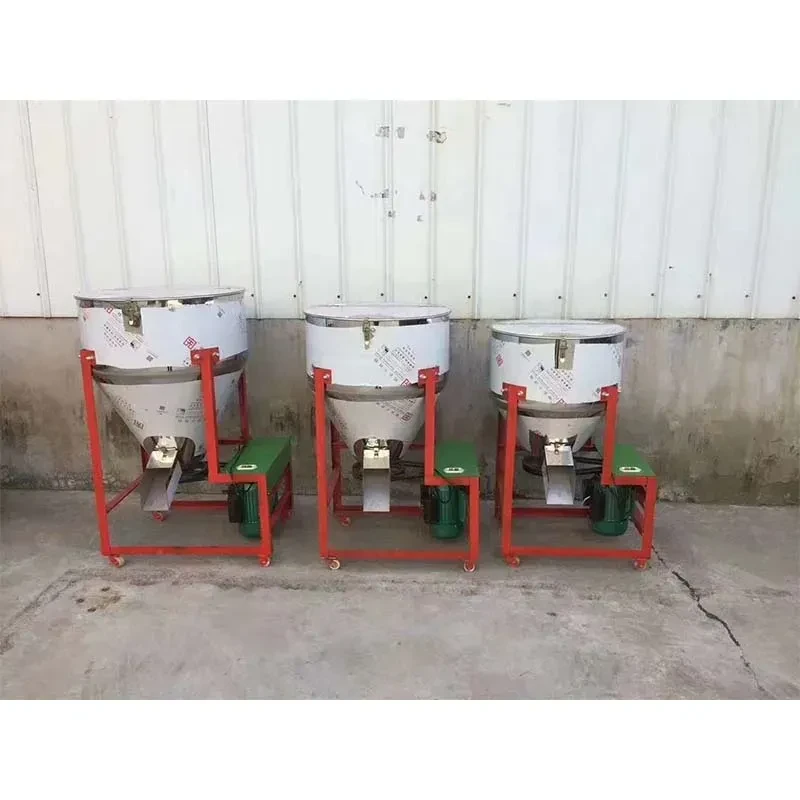
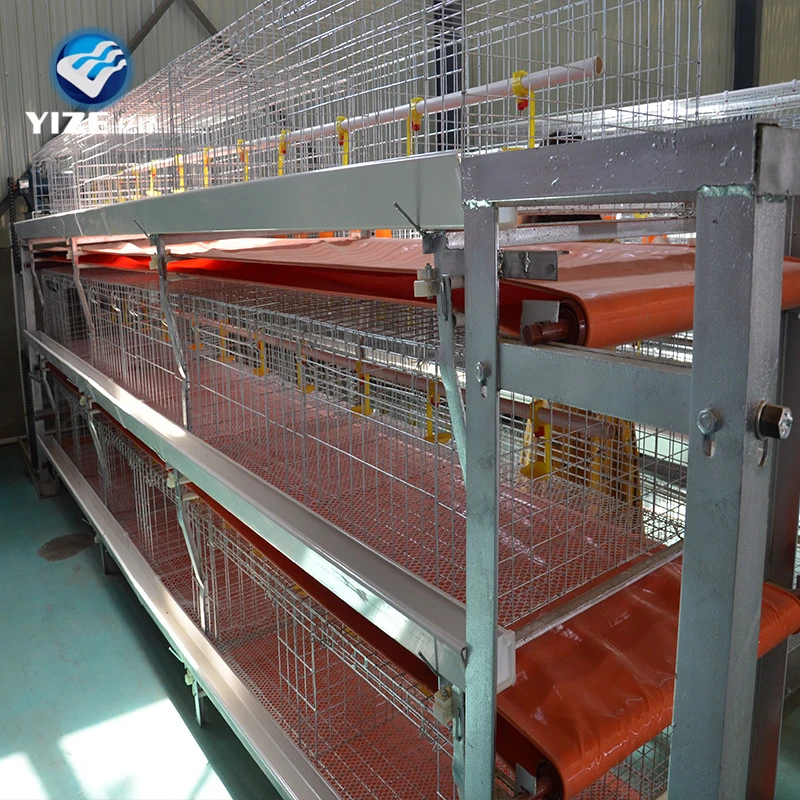
Advanced Livestock Solutions for Central African Republic: High-Efficiency farrowing house for pigs

Empowering CAR's agricultural sector with industrial-grade livestock housing and feeding machinery to maximize yield and animal welfare.

Advanced Livestock Solutions for Central African Republic: High-Efficiency farrowing house for pigs

Providing integrated livestock equipment tailored for the humid tropical climate of the Central African Republic, focusing on durability and productivity.

Agricultural Infrastructure Status in Central African Republic

Analyzing the transition from subsistence farming to semi-industrial livestock production.

In the Central African Republic, the livestock sector is currently characterized by a predominance of traditional free-range methods. However, the increasing demand for protein in urban centers like Bangui has created a critical need for controlled environments such as the cage house poultry to reduce mortality rates caused by predators and endemic diseases.

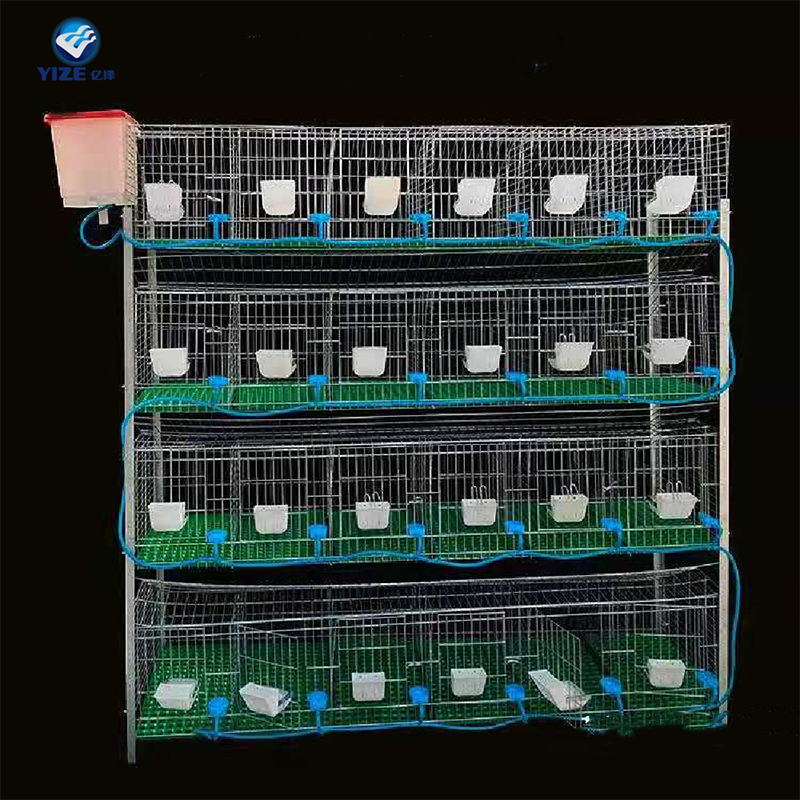
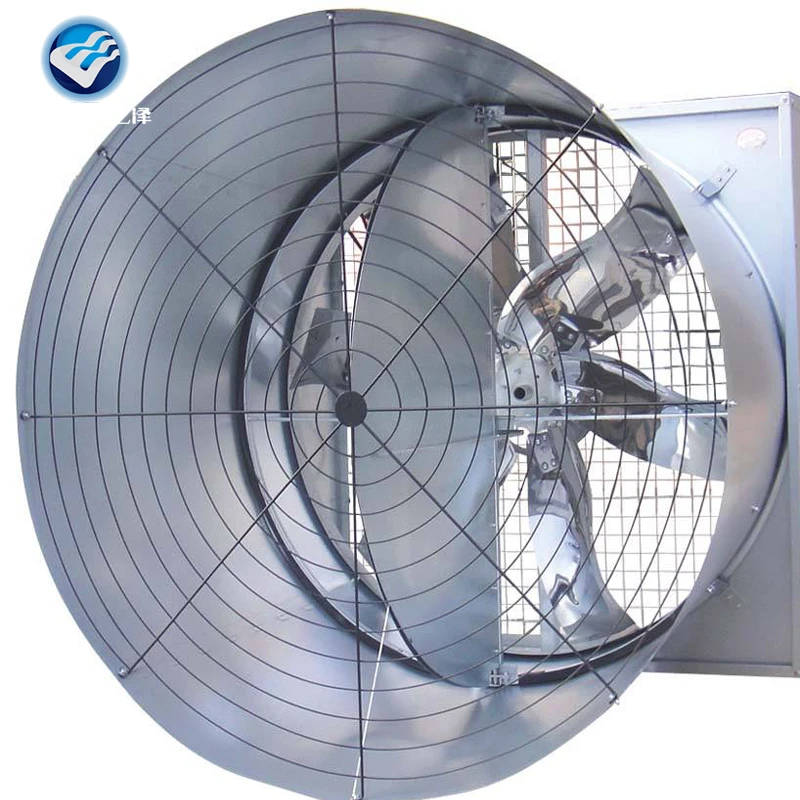
The regional climate, marked by high humidity and distinct rainy seasons, poses a significant challenge to equipment longevity. Local farmers are increasingly seeking galvanized steel solutions and specialized multi level rabbit cage systems that allow for better ventilation and waste management compared to traditional wooden structures.

Furthermore, the lack of localized processing tools has historically limited the growth of the poultry and pig sectors. The introduction of an automated egg tray production line is becoming a strategic priority to reduce breakage during transport across the country's challenging road infrastructure.
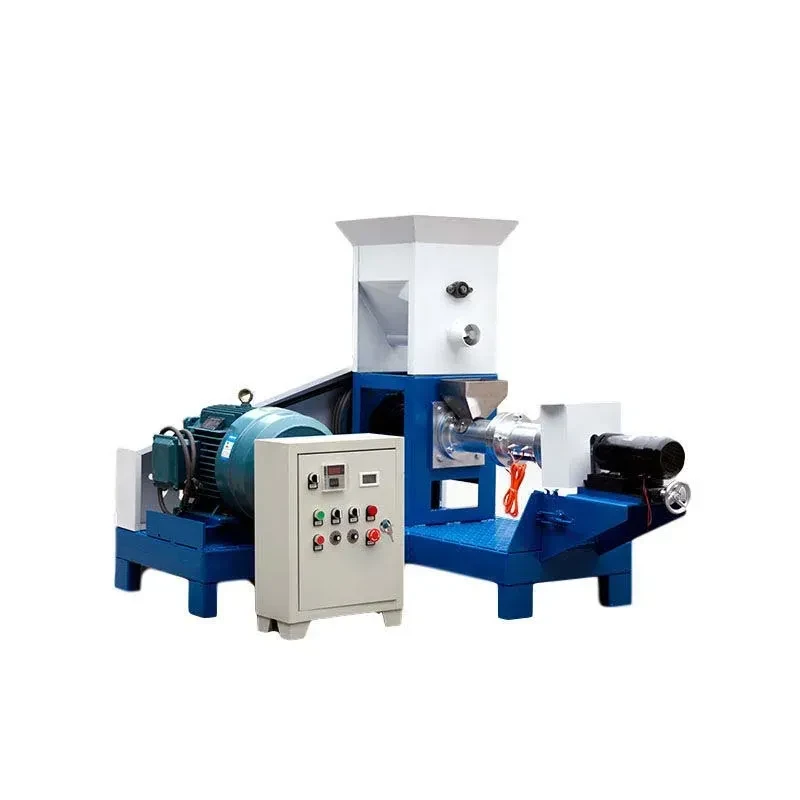
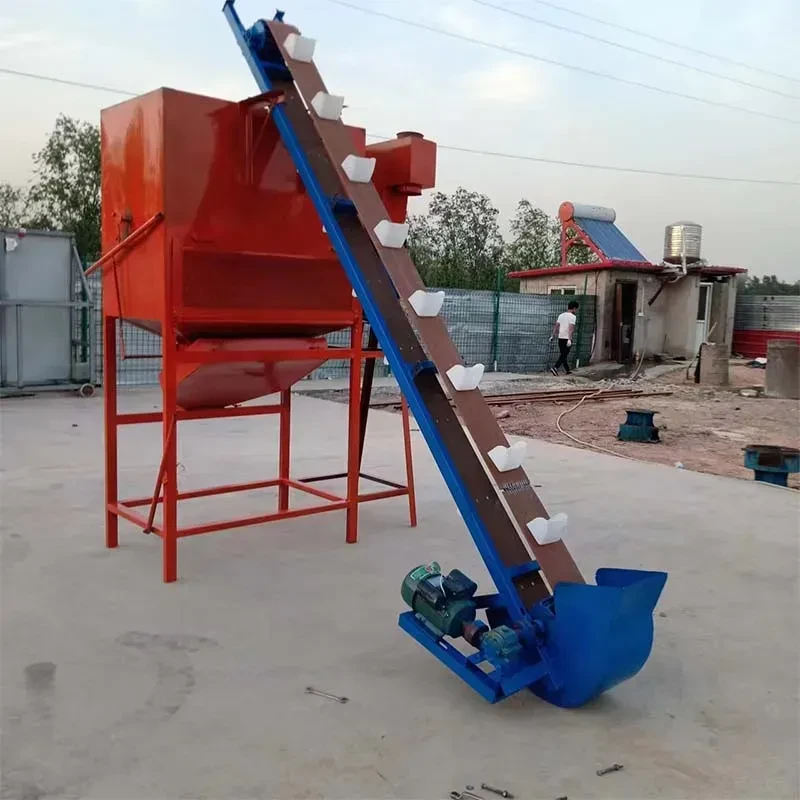
Evolution and Growth Trajectory of Livestock Machinery

From manual labor to mechanized efficiency in the heart of Africa.

Market Development History

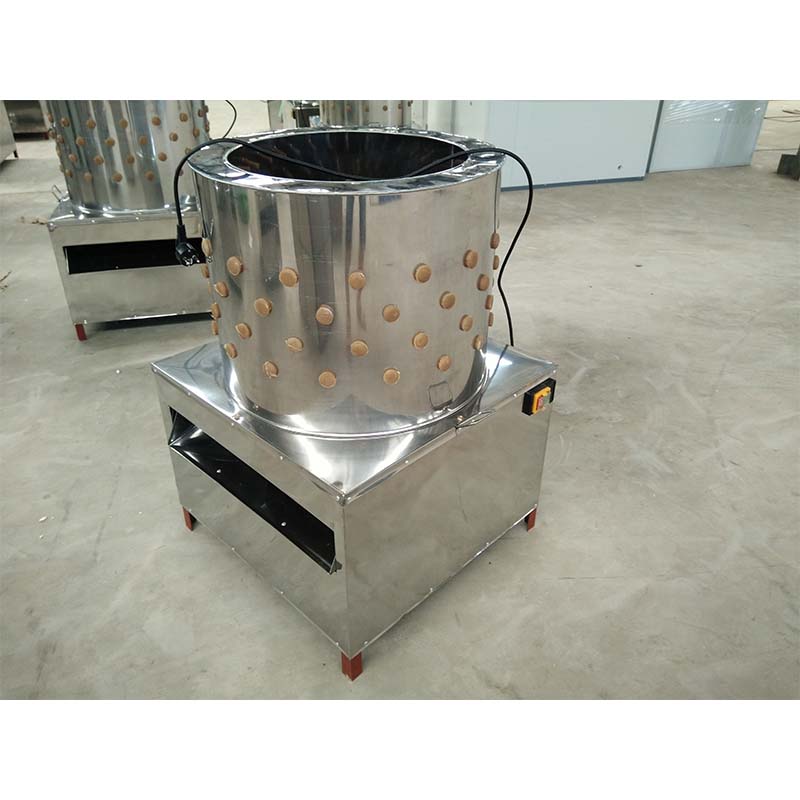
Prior to 2010, livestock farming in CAR relied almost exclusively on manual feeding and open-air pens. The early 2010s saw a shift toward basic semi-automation, where the first rudimentary animal feed cutter machines were introduced to reduce labor costs and improve fodder consistency.

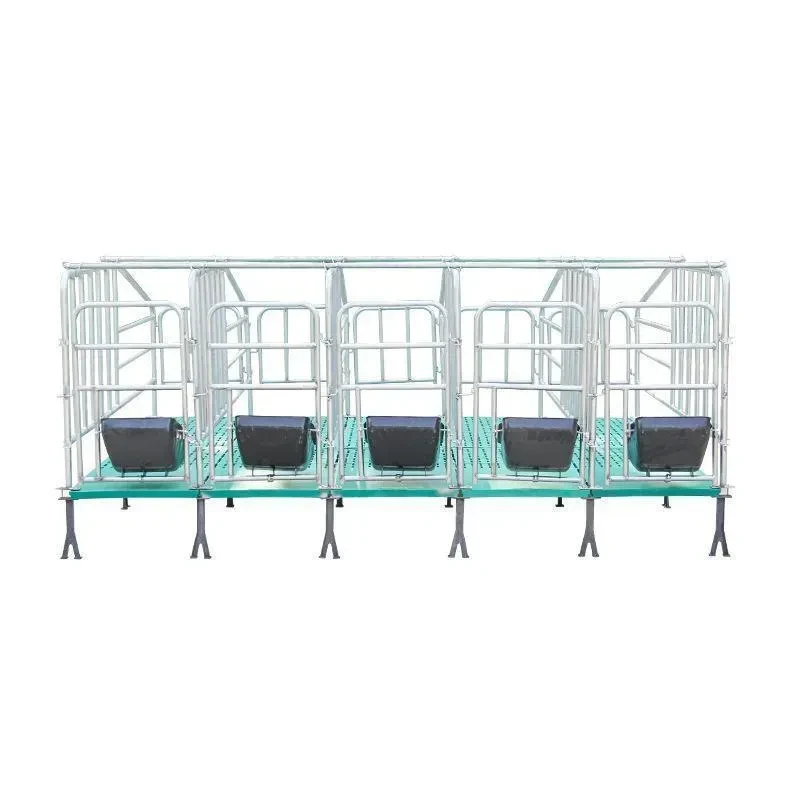
Between 2015 and 2020, there was a noticeable trend toward specialized housing. The adoption of structured farrowing house for pigs began to increase, moving away from concrete floors to slotted flooring systems that improved hygiene and piglet survival rates.

Since 2021, the market has entered a phase of "Industrial Integration." Farmers are no longer buying single machines but are investing in complete cycles, incorporating everything from feeding machinery to packaging solutions like the egg tray production line.

Future Development Trends

Climate-Resilient Material Integration

Future equipment will utilize advanced anti-corrosion coatings to withstand the extreme humidity of the CAR rainforest zones, ensuring a lifespan of over 20 years.

Modular Housing Scalability

Shift toward prefabricated, modular cage house poultry systems that allow farmers to expand their capacity incrementally based on market demand.

Energy-Efficient Processing

Increasing adoption of solar-hybrid animal feed cutter units to bypass unstable power grids in rural provinces.

Industry Trends and Future Outlook 2025-2030

Projecting the technological leap in Central African livestock manufacturing.

Automation Integration
Integration of automatic feeding and watering systems within the cage house poultry to minimize human error.
Waste-to-Energy Systems
Combining multi level rabbit cage layouts with biogas collectors for sustainable farm energy.
Precision Nutrition
Enhanced animal feed cutter precision to ensure optimal nutrient mix for fast-growing breeds.
Circular Economy
Local production of packaging via egg tray production line using recycled agricultural waste.

Industry Outlook

Based on Google search trends for "industrial farming Africa," there is a rising interest in sustainable intensification. We expect the Central African Republic to see a 15% annual increase in the demand for professional livestock housing systems over the next three years.

The strategic shift will move from simple containment to biological optimization, where equipment like the farrowing house for pigs will incorporate temperature control to maintain productivity during the hottest months.

Localized Application Scenarios in Central African Republic

Real-world implementations of livestock machinery in CAR's unique environment.

01. Urban Poultry Hubs in Bangui

Implementation of high-density cage house poultry systems to provide fresh eggs to the capital's growing population while minimizing land use.

02. Rural Pig Breeding Centers

Installation of professional farrowing house for pigs in rural cooperatives to improve the weaning rate of piglets through heat-controlled environments.

03. Small-Scale Rabbitry Initiatives

Deployment of multi level rabbit cage setups for family-owned farms, optimizing vertical space and ensuring hygienic breeding conditions.

04. Community Feed Processing Units

Establishing shared animal feed cutter stations in village centers to help smallholders convert crop residues into high-quality livestock feed.

05. Regional Egg Distribution Networks

Setting up local egg tray production line facilities to create biodegradable packaging, reducing reliance on expensive imports from neighboring countries.

Brand Story

Global Development Journey of Anping Yize Metal Products Co., Ltd.

Founding Vision

Established with a commitment to solve the gap between traditional farming and industrial efficiency in developing markets.

Technical Breakthrough

Developed advanced galvanization techniques to ensure livestock cages withstand the harshest tropical environments.

African Market Expansion

Customized our product lines to meet the specific livestock breed sizes and climate needs of the Central African Republic.

Global Quality Standard

Achieved international certifications for metal durability, ensuring every cage is a long-term investment for the farmer.

Sustainability Mission

Continuing to innovate in waste-reducing machinery to help CAR farmers achieve a circular agricultural economy.

Complete Livestock Equipment Portfolio for Central African Republic

All-in-one machinery solutions for sustainable livestock farming.

Frequently Asked Questions for CAR Livestock Farmers

Technical guidance and procurement advice for livestock machinery.

How to choose the right multi level rabbit cage for tropical climates?

For the Central African Republic, we recommend hot-dipped galvanized steel cages with open-mesh flooring to maximize airflow and prevent moisture buildup, reducing respiratory issues in rabbits.

What is the capacity of a standard egg tray production line?

Our lines vary from semi-automatic to fully automatic, capable of producing between 1,000 to 5,000 trays per hour, depending on the model chosen for your local distribution center.

How does a cage house poultry system improve egg production?

By isolating birds, the system reduces stress and disease transmission, prevents egg breakage, and allows for precise nutrient control, leading to a significant increase in daily yields.

Is the farrowing house for pigs easy to assemble in rural areas?

Yes, our farrowing units are designed as modular kits. They come with simplified assembly manuals and can be installed using basic tools common in CAR rural workshops.

Can an animal feed cutter process local CAR agricultural residues?

Absolutely. Our cutters are engineered to process a wide variety of materials, including maize stalks, cassava peels, and grass, turning them into consistent fodder.

What is the maintenance requirement for these machines in CAR?

We prioritize "Low-Maintenance Design." Most of our equipment only requires periodic lubrication and cleaning, with spare parts designed for easy replacement without specialized technicians.

Ready to Modernize Your Farm?

Get expert consultation on livestock machinery tailored for the specific needs of the Central African Republic.

Contact Us Now

If you are interested in our products, you can choose to leave your information here, and we will be in touch with you shortly.