Advanced Livestock Farming Solutions for Equatorial Guinea: Premium cage house poultry Systems

Empowering Equatorial Guinea's agricultural sector with high-efficiency automated machinery and durable livestock housing to maximize yield and sustainability.

Advanced Livestock Farming Solutions for Equatorial Guinea: Premium cage house poultry Systems

We provide integrated livestock equipment designed to withstand the tropical climate of Equatorial Guinea, ensuring animal welfare and operational efficiency through cutting-edge engineering.

Livestock Infrastructure Status in Equatorial Guinea

Analyzing the intersection of tropical agriculture and industrialization in Central Africa.

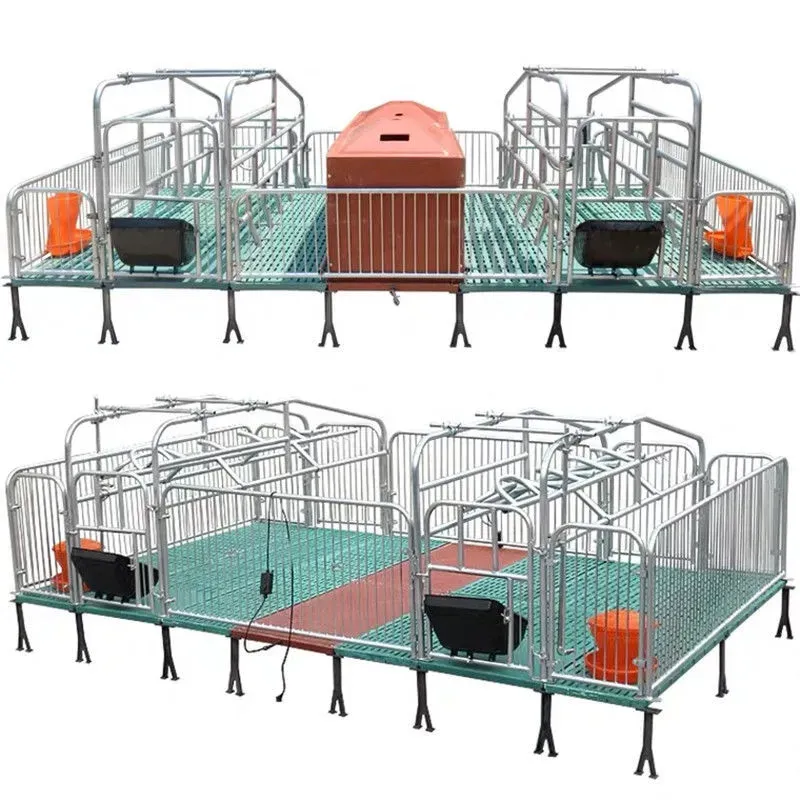
In Equatorial Guinea, the livestock sector is currently transitioning from traditional backyard farming to semi-industrialized operations. The humid tropical climate poses significant challenges for animal health, making the demand for a professional farrowing house for pigs critical to reduce piglet mortality rates during the rainy season.

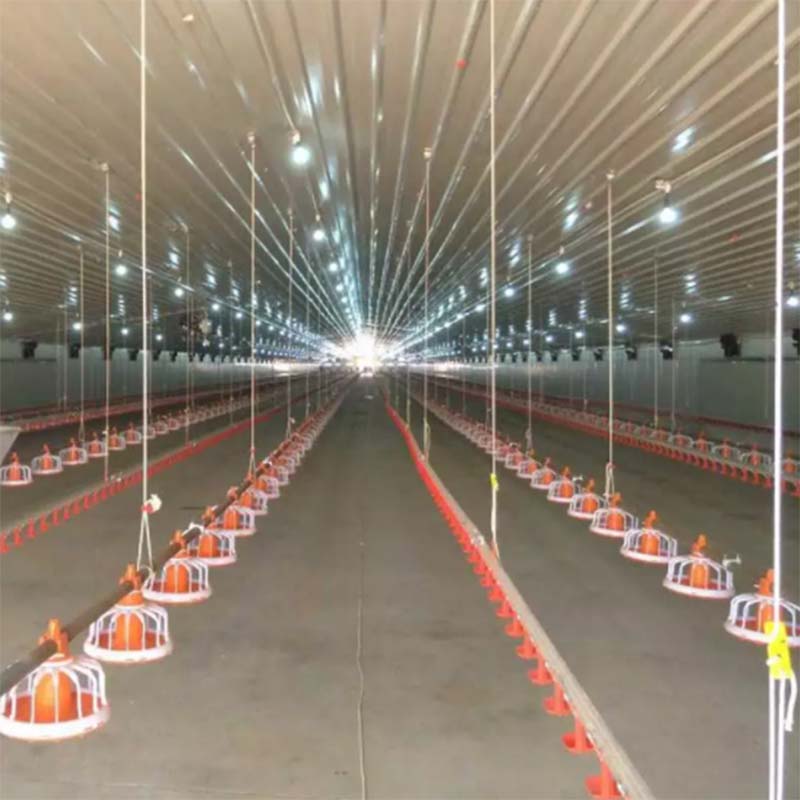
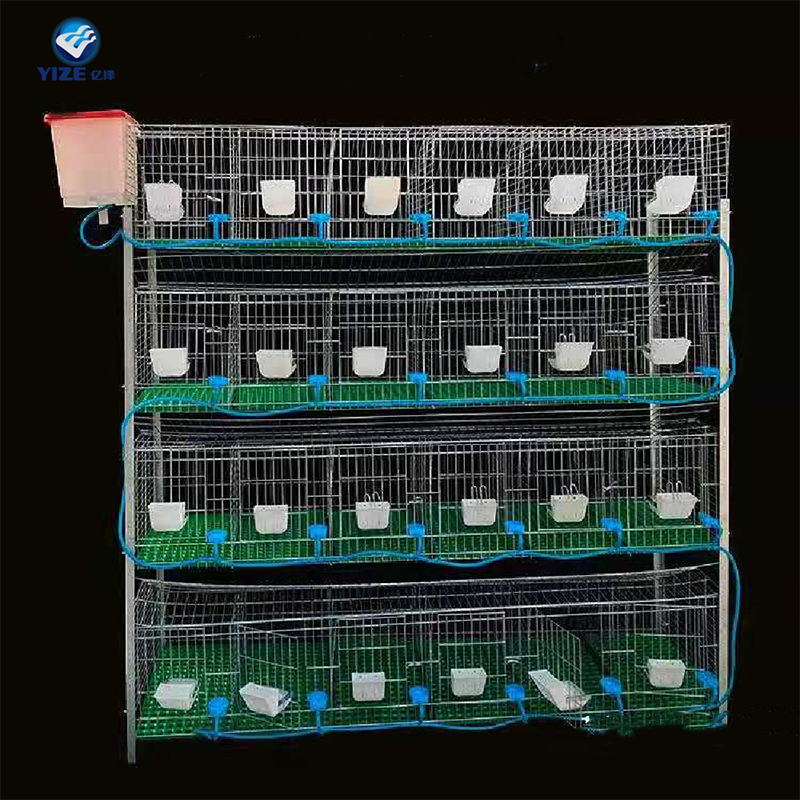
Poultry production remains a cornerstone of local food security, yet many farms still rely on rudimentary flooring. The shift toward a structured cage house poultry model is becoming essential to prevent soil-borne diseases and optimize space in peri-urban areas around Malabo and Bata.

Additionally, the lack of localized processing equipment has historically limited value-added production. The introduction of an industrial egg tray production line allows local farmers to secure their products for transport, reducing breakage and increasing marketability across the region.
Evolution of Livestock Equipment in Central Africa

From manual labor to automated precision farming.

Market Development History

Between 2000 and 2010, livestock farming in Equatorial Guinea was dominated by manual feeding and open-air housing. Feed preparation was labor-intensive, with most farmers chopping forage by hand, leading to inconsistent nutrient intake for animals.

From 2011 to 2020, the introduction of the first-generation animal feed cutter began to standardize feed quality. During this period, farmers started adopting basic metal cages to replace wooden structures, which were prone to rot in the high humidity.

Since 2021, there has been a surge in "Precision Livestock Farming." The adoption of the multi level rabbit cage has allowed small-scale entrepreneurs to scale their production vertically, maximizing limited land resources while improving sanitation.

Future Development Trends

Climate-Controlled Automation

Future systems will integrate automated ventilation and cooling to combat the heat stress prevalent in Equatorial Guinea's equatorial climate.

Circular Economy Integration

Integrating waste-to-energy systems where poultry and pig waste are processed into bio-fertilizers using advanced machinery.

Digital Herd Management

The transition toward IoT-enabled monitoring within cage systems to track animal health and feed consumption in real-time.

Strategic Outlook for Livestock Machinery 2025-2030

Driving productivity through technological convergence and sustainable engineering.

Vertical Scaling Efficiency
Optimizing urban farming in Malabo through multi-tiered housing and automated waste removal.
Automated Feed Processing
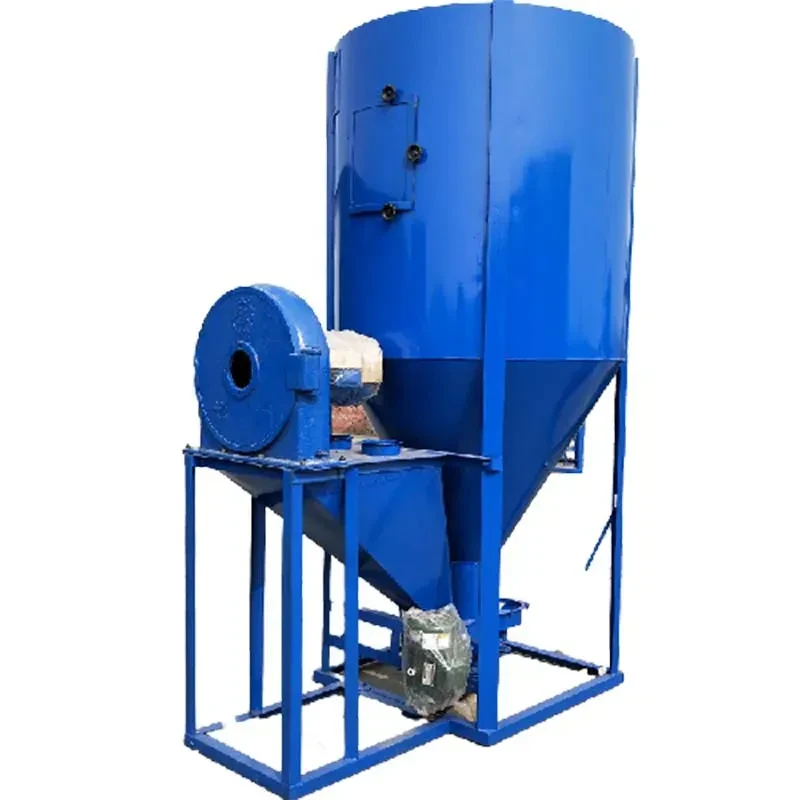
Replacing manual labor with industrial cutting and mixing to ensure balanced livestock nutrition.
Biosecurity Housing
Developing anti-corrosive, easy-to-sanitize galvanized structures to prevent epidemic spreads.
Packaging Integration
Linking production lines with automated tray making for a complete farm-to-market chain.

Industry Outlook

Based on regional search trends and GDP allocation toward agriculture in Central Africa, we expect a 15% annual increase in the adoption of automated poultry systems. The move toward import substitution will drive local farmers to invest in their own egg tray production line units to eliminate dependency on expensive foreign packaging.

Furthermore, the integration of sustainable materials in cage manufacturing will be a priority. We foresee the rise of modular, lightweight, yet high-strength alloys that can be easily transported to remote regions of Equatorial Guinea, reducing setup costs and time.

Localized Applications in Equatorial Guinea

Real-world implementation of livestock machinery in various regional contexts.

1. Urban Rabbit Farming in Malabo

Implementing the multi level rabbit cage in limited urban spaces, allowing city-dwellers to produce high-protein meat with minimal footprint and optimized waste management.

2. Industrial Egg Hubs in Bata

Establishing large-scale cage house poultry complexes that supply eggs to the entire coastal region, utilizing automated feeding and cleaning systems.

3. Professional Pig Breeding Centers

Deploying the farrowing house for pigs to professional breeders to ensure the survival of piglets in humid environments through temperature-controlled crates.

4. Rural Feed Cooperative Plants

Providing clusters of animal feed cutter machines to village cooperatives, enabling them to process local maize and cassava into high-quality feed.

5. Poultry Packaging Micro-Factories

Setting up a compact egg tray production line for local entrepreneurs to create biodegradable packaging from recycled paper, serving nearby poultry farms.

Brand Story

Global Development Journey of Anping Yize Metal Products Co., Ltd.

Foundational Engineering

Started with a focus on high-durability metal fabrication, we identified a critical gap in livestock housing that could withstand extreme weather conditions.

Technological Breakthrough

Developed proprietary anti-corrosion coating technologies, ensuring our cages last 3x longer in high-humidity environments like Central Africa.

Market Expansion

Expanded our footprint to Africa, tailoring our equipment to meet the specific dietary and environmental needs of local livestock species.

Integrated Ecosystems

Shifted from selling individual products to providing full-chain solutions, from feed cutting to final product packaging.

Sustainable Future

Committed to reducing the carbon footprint of livestock farming by enhancing resource efficiency and promoting biodegradable materials.

Frequently Asked Questions for Equatorial Guinea Farmers

Expert answers to common technical and logistical queries.

How to maintain a cage house poultry system in high humidity?

We use hot-dip galvanized steel for our systems to prevent rust. Regular cleaning with mild disinfectants and ensuring adequate airflow are key to longevity in tropical climates.

What is the capacity of a standard multi level rabbit cage?

Our multi-tier systems are customizable. A standard unit can house from 10 to 100 rabbits depending on the number of levels, maximizing vertical space for urban farming.

Can an animal feed cutter process local cassava and maize?

Yes, our cutters are engineered with high-carbon steel blades specifically designed to handle the fibrous nature of tropical roots and grains common in Equatorial Guinea.

How long does it take to set up an egg tray production line?

Depending on the automation level, a standard line can be installed and commissioned within 7-14 days after the equipment arrives at your facility.

Why choose a specialized farrowing house for pigs over traditional pens?

Specialized farrowing houses prevent sow-on-piglet crushing and provide controlled heat zones, significantly increasing the survival rate of newborn piglets.

Do you provide shipping and customs support for Equatorial Guinea?

We offer comprehensive logistics solutions, including sea freight to Malabo or Bata and providing all necessary technical documentation for smooth customs clearance.

Ready to Modernize Your Farm?

Our engineers are ready to design a customized livestock solution for your specific needs in Equatorial Guinea. Let's grow together.

Contact Us Now

If you are interested in our products, you can choose to leave your information here, and we will be in touch with you shortly.