
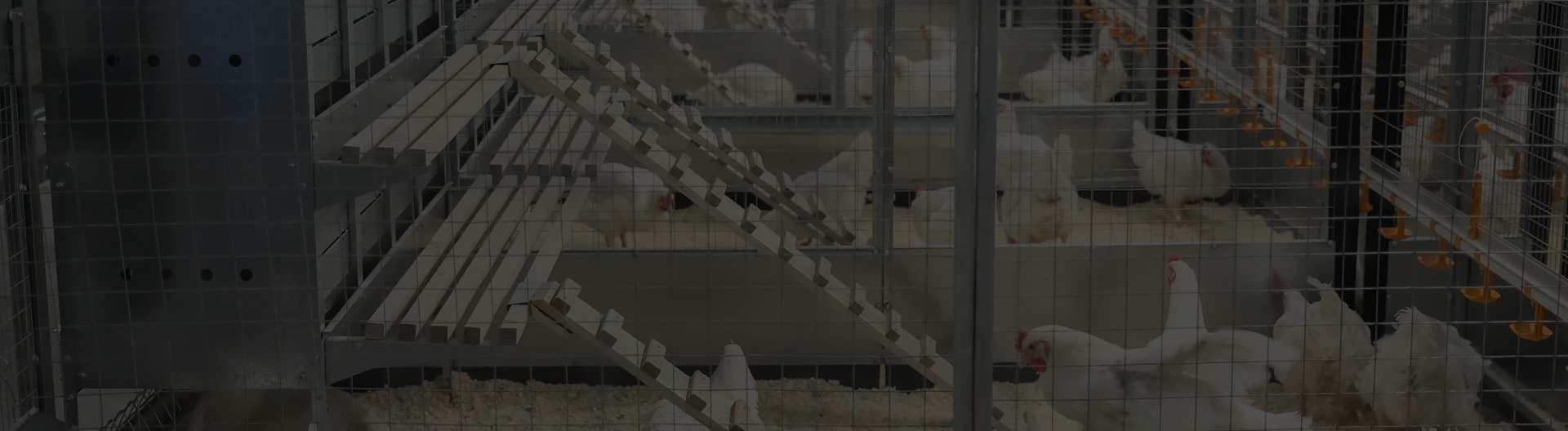
The Efficient Installation of Commercial Rabbit Breeding Cages
დეკ . 25, 2025 14:54 სიაში დაბრუნება
The Efficient Installation of Commercial Rabbit Breeding Cages
The success of a large-scale rabbitry depends heavily on the structural integrity and functional layout of its housing. For professional breeders, commercial rabbit breeding cages are more than just enclosures; they are integrated systems designed to optimize animal health, facilitate easy cleaning, and streamline daily management.
Proper installation is critical. A poorly assembled cage can lead to structural failure, animal injury, or inefficient waste management.
Framework Assembly for Commercial Rabbit Breeding Cages
The foundation of any high-yield rabbitry is the cage frame. Unlike domestic hutches, commercial rabbit breeding cages are designed for modularity and high-density stacking. The first phase of installation focuses on creating a rigid exoskeleton that can support the weight of the rabbits and the necessary accessories.
Constructing the Perimeter
Begin by identifying the front panel and the side panels. Using specialized M-clips—which provide a much tighter and more durable hold than standard wire twists—attach the first side panel to the edge of the front panel. It is essential to ensure that the mesh is aligned perfectly before crimping the clips.
Continue by attaching the remaining side panels to the front panel, maintaining a precise spacing of 50 cm between each. This uniform spacing is vital for the eventual fit of the dropping trays and internal dividers. Once the sides are upright, locate the back panel. Professional back panels often feature bent sections designed to add structural rigidity; secure these to the side panels using the same M-clip technique.
Completing the Enclosure
Next, locate the top panel and connect it to the front and side panels. Finally, find the slanted panel—a hallmark of a professional rabbit breeding cage—and secure it to the slanted edges of the side panels. This slanted design is often utilized for efficient light penetration or specific ventilation requirements. Repeat this process for each unit until the entire multi-compartment frame is assembled.
Securing the Rabbit Cage Structure for Maximum Stability
A freestanding wire cage is vulnerable to vibration and shifting, which can stress the animals. To transform a wire frame into a professional rabbit cage, it must be bolted to a heavy-duty support structure, typically L-shaped steel frames.
Bolting and Alignment
Locate the pre-drilled holes in the L-shaped steel frames. Align the cage frame with these holes and pass the provided bolts through the mesh and the steel. A critical detail in this step is the placement of washers; always place washers on the inside of the cage. This prevents the bolt head from slipping through the wire mesh under pressure and ensures a secure, "flush" fit.
Ensuring Immobility
Tighten the bolts until the cage is firmly anchored. You must ensure that every side of the cage is bolted down to the L-shaped steel frame. A solid, immovable structure is necessary not only for the safety of the rabbits but also to ensure that automated systems (like water lines) do not leak due to cage movement.
Installing a Rabbit Cage with Wire Bottom and Waste Systems
In a commercial setting, hygiene is paramount. A rabbit cage with wire bottom is the industry standard because it allows waste to fall through immediately, keeping the rabbit's feet dry and reducing the risk of sore hocks and coccidiosis.
The Droppings Tray System
Slide the droppings tray through the bottom of the cage. The assembly is specifically designed so that the bent structures on the front and back panels act as support rails. These rails ensure the tray is suspended correctly and will not fall, even when full. In a rabbit cage with wire bottom, the clearance between the mesh and the tray must be consistent to allow for easy removal and cleaning without disturbing the animals.
Accessory Integration
Once the waste system is in place, install the feeding and watering hardware:
Water Dispensers: Fix these to the side of the cage using the provided hardware. Ensure they are at an ergonomic height for the rabbits.
Food Bowls: These usually feature a wire clip design. For commercial environments, use the specialized clips provided for "secondary fixation" to prevent rabbits from flipping the bowls and wasting expensive feed.
Finalizing the Rabbit Breeding Cage Access and Water Supply
The final phase of the installation involves securing the entry points and setting up the automated hydration system, which is the lifeline of a productive rabbit breeding cage.
Door Installation and Escape Prevention
Install the cage doors, noting that in most high-density commercial designs, the doors open inward to save aisle space. Secure the door with a durable latch. To ensure total biosecurity, apply the provided cage door clips. These act as an extra layer of fastening, preventing intelligent or agitated rabbits from manipulating the latch and escaping.
Water Tank and Plumbing Logic
The water tank is the heart of the hydration system.
Valves and Floats: Secure the shut-off valve to the side of the tank and connect the float ball and arm. This setup ensures the tank refills automatically, much like a cistern.
Manifold Connection: Attach the bottom hose connector and close the lid.
Circuit Installation: Using PVC hoses, plastic T-connectors, and elbow fittings, link the main tank to the individual water dispensers on each rabbit breeding cage. Ensure all connections are tight to prevent "wet spots" in the manure trays, which can lead to ammonia spikes.
Installing commercial rabbit breeding cages requires a blend of mechanical precision and an understanding of animal husbandry. By following a structured approach—starting with a rigid frame, moving to a stabilized steel base, and finishing with a high-functioning rabbit cage with wire bottom—breeders can create a facility that maximizes yield and minimizes labor.
When the last M-clip is crimped and the water system is pressurized, your facility is ready to support a healthy, thriving rabbit population. Quality equipment, combined with a meticulous installation process, is the best investment a commercial breeder can make.
ეს არის ბოლო სტატია
-
Professional Mini Poultry Cage for Efficient Small Scale Farming
სიახლეებიApr.16,2026
-
Optimizing Poultry Production with Advanced Cage System Poultry
სიახლეებიApr.09,2026
-
Optimizing Layer Poultry Cages for Efficient and Profitable Egg Production
სიახლეებიApr.07,2026
-
Comprehensive Guide to Poultry Cages for Layers and Modern Farming Solutions
სიახლეებიApr.04,2026
-
Comprehensive Guide to Optimizing Poultry Laying Cages for Egg Production
სიახლეებიMar.31,2026
-
Maximize Egg Production with Efficient Poultry Layer Cage Systems
სიახლეებიMar.28,2026





 English
 Afrikaans
 Albanian
 Amharic
 Arabic
 Armenian
 Azerbaijani
 Basque
 Belarusian
 Bengali
 Bosnian
 Bulgarian
 Catalan
 Cebuano
 Corsican
 Croatian
 Czech
Czech
 Danish
 Dutch
Dutch
 Esperanto
 Estonian
 Finnish
 French
 Frisian
 Galician
 German
 Greek
Greek
 Gujarati
 Haitian Creole
 Hausa
Hausa
 Hawaiian
 Hebrew
 Hindi
Hindi
 Miao
Miao
 Hungarian
 Icelandic
 Igbo
Igbo
 Indonesian
 Irish
Irish
 Italian
 Japanese
 Javanese
 Kannada
 Kazakh
 Khmer
Khmer
 Rwandese
 Korean
 Kurdish
 Kyrgyz
 Lao
Lao
 Latin
Latin
 Latvian
 Lithuanian
 Luxembourgish
 Macedonian
 Malgashi
 Malay
Malay
 Malayalam
 Maltese
 Maori
Maori
 Marathi
 Mongolian
 Myanmar
 Nepali
 Norwegian
 Norwegian
 Occitan
 Pashto
 Persian
 Polish
 Portuguese
 Punjabi
 Romanian
 Russian
 Samoan
 Scottish Gaelic
 Serbian
 Sesotho
 Shona
Shona
 Sindhi
 Sinhala
 Slovak
 Slovenian
 Somali
 Spanish
 Sundanese
 Swahili
 Swedish
 Tagalog
 Tajik
Tajik
 Tamil
Tamil
 Tatar
Tatar
 Telugu
 Thai
Thai
 Turkish
 Turkmen
 Ukrainian
 Urdu
Urdu
 Uighur
 Uzbek
Uzbek
 Vietnamese
 Welsh
Welsh
 Bantu
Bantu
 Yiddish
 Yoruba
 Georgian