
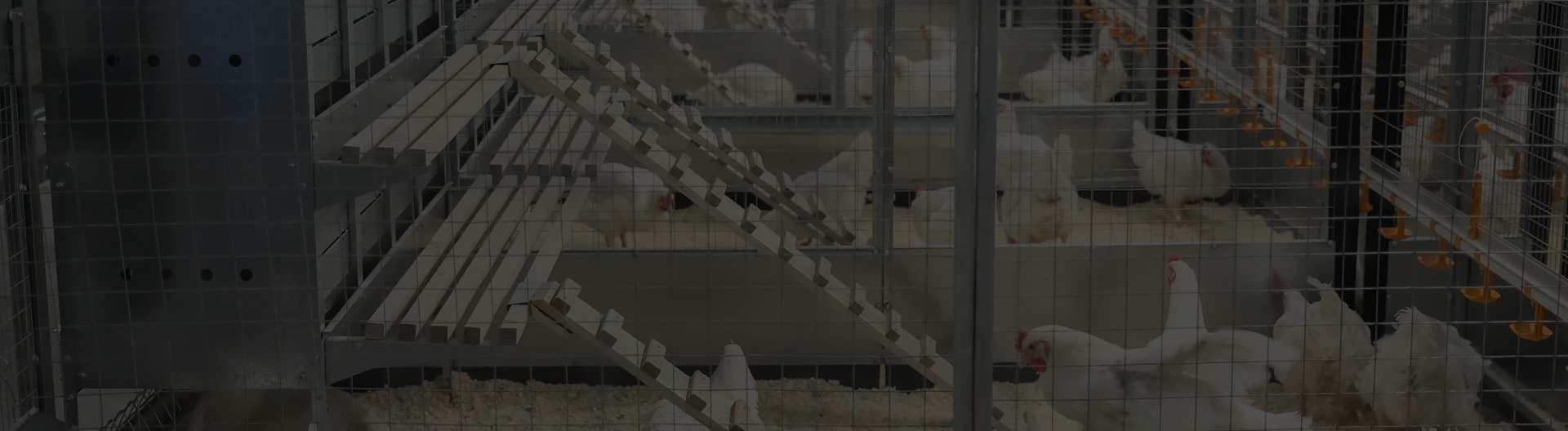
Multi-Layer Rabbit Cage Systems
დეკ . 11, 2025 15:18 სიაში დაბრუნება
Multi-Layer Rabbit Cage Systems
The commercial production of rabbits, known as cuniculture, serves various markets, including meat, fur, and laboratory animal supply. To meet growing demands while optimizing space and management efficiency, modern rabbit farming has increasingly adopted multi-layer rabbit cage systems. These vertical housing units represent a significant departure from traditional single-tier or hutch-style housing, bringing about improvements in hygiene, labor efficiency, and overall herd health management.
The Structure: Utilizing Welded Rabbit Cage Wire Mesh
The fundamental building block of any modern rabbit housing system is the material used for construction, and high-quality welded rabbit cage wire mesh is the industry standard. This specific type of mesh is chosen for several key properties:
Strength and Durability: The wire must be strong enough to withstand the weight of the rabbits and the routine cleaning processes without warping.
Hygiene: The welded joints are smooth, reducing the chances of catching debris and making sanitization easier, a critical factor in preventing disease spread.
Optimal Spacing: The mesh gauge (the size of the openings) is meticulously selected. The floor mesh must be large enough to allow droppings to pass through easily, separating the rabbits from their waste, but small enough to provide comfortable footing and prevent hock issues. Typically, floors use a smaller gauge than the sides and roof.
Corrosion Resistance: The wire is usually galvanized or PVC-coated to resist corrosion from urine and cleaning chemicals, ensuring the longevity of the metal rabbit cage.
The vertical structure of the multi-layer system is supported by a robust metal frame, creating stacked tiers, often two to four levels high. This maximizes the use of costly housing space.
Efficiency and Management in the Rabbit Breeding Cage
The most significant impact of multi-layer systems is seen in large-scale rabbit breeding cage operations, where reproductive cycles must be tightly controlled for continuous production.
1. Maximizing Breeding Density
By stacking cages vertically, farmers can house three to four times the number of breeding does in the same footprint compared to single-tier systems. This significantly improves the economic viability per square meter of the farm infrastructure.
2. Automated Feeding and Watering
Manual feeding and watering for large colonies are inefficient and labor-intensive. Multi-layer systems are designed to integrate automation seamlessly:
Watering: Nipple drinking systems are routed horizontally along each tier. These systems deliver fresh, clean water on demand, preventing spillage and contamination, which are common issues with open water bowls.
Feeding: Automated trolley feeders can travel along the cages, dispensing a precise amount of pellet feed into the trough of each metal rabbit cage. This minimizes waste and ensures all breeding stock receive consistent nutrition, which is crucial for successful kindling (birth) and lactation.
3. Streamlined Waste Management
A critical component of the multi-layer design is the efficient handling of waste. Each tier is equipped with either a collection tray or a continuous belt system installed directly beneath the wire mesh floor.
Collection Trays: Used in smaller systems, these trays are manually or semi-automatically scraped and emptied.
Automated Belts: In large commercial operations, conveyor belts run beneath each row. These belts are scraped clean at regular intervals, carrying the droppings out of the house into a central collection point. This continuous removal system drastically reduces ammonia levels, improves air quality for both the rabbits and the workers, and simplifies manure handling.
Welfare and Health in the Metal Rabbit Cage Environment
While critics of caging often raise welfare concerns, modern designs and management practices in multi-layer systems aim to mitigate stress and promote health.
1. Reduced Disease Transmission
The separation of the rabbit from its feces is the most powerful preventative health measure in the system. Coccidiosis, a common parasitic disease spread through fecal contamination, is significantly less prevalent in systems utilizing high-quality welded rabbit cage wire mesh floors and automated waste removal. Furthermore, the individual caging of breeding stock prevents the fighting and injury that can occur in colony housing.
2. Specialized Kindling Cages
Within the rabbit breeding cage setup, specialized sections are often included for kindling. These cages feature:
Nest Boxes: A separate, dark, and secluded box is provided for the doe to give birth and nurse her young (kits). The nest box is removed when the kits are weaned.
Controlled Environment: The doe is isolated during the critical nursing period, allowing for precise monitoring of her health and the kits' development.
3. Monitoring and Traceability
In a multi-layer setup, each rabbit—whether it is a doe in the rabbit breeding cage or a growing fryer—is individually identified and housed. This allows farmers to:
Track Performance: Easily monitor individual reproductive cycles, feed intake, growth rates, and health records.
Isolate Illness: Quickly identify and isolate any sick animal, preventing the rapid spread of contagious diseases throughout the colony, a major advantage over floor or colony housing.
The shift to multi-layer rabbit cage systems marks a clear advancement in commercial cuniculture, prioritizing efficiency, hygiene, and controlled management. The robust construction using quality welded rabbit cage wire mesh and the integration of automation for feeding, watering, and waste removal transform the metal rabbit cage from a simple container into a highly engineered production unit. By maximizing density, improving FCR through controlled feeding, and dramatically lowering disease incidence, these systems provide a sustainable and economically sound model for large-scale rabbit breeding cage operations worldwide. The future of commercial rabbit farming is undeniably vertical and automated.
-
Professional Mini Poultry Cage for Efficient Small Scale Farming
სიახლეებიApr.16,2026
-
Optimizing Poultry Production with Advanced Cage System Poultry
სიახლეებიApr.09,2026
-
Optimizing Layer Poultry Cages for Efficient and Profitable Egg Production
სიახლეებიApr.07,2026
-
Comprehensive Guide to Poultry Cages for Layers and Modern Farming Solutions
სიახლეებიApr.04,2026
-
Comprehensive Guide to Optimizing Poultry Laying Cages for Egg Production
სიახლეებიMar.31,2026
-
Maximize Egg Production with Efficient Poultry Layer Cage Systems
სიახლეებიMar.28,2026





 English
 Afrikaans
 Albanian
 Amharic
 Arabic
 Armenian
 Azerbaijani
 Basque
 Belarusian
 Bengali
 Bosnian
 Bulgarian
 Catalan
 Cebuano
 Corsican
 Croatian
 Czech
Czech
 Danish
 Dutch
Dutch
 Esperanto
 Estonian
 Finnish
 French
 Frisian
 Galician
 German
 Greek
Greek
 Gujarati
 Haitian Creole
 Hausa
Hausa
 Hawaiian
 Hebrew
 Hindi
Hindi
 Miao
Miao
 Hungarian
 Icelandic
 Igbo
Igbo
 Indonesian
 Irish
Irish
 Italian
 Japanese
 Javanese
 Kannada
 Kazakh
 Khmer
Khmer
 Rwandese
 Korean
 Kurdish
 Kyrgyz
 Lao
Lao
 Latin
Latin
 Latvian
 Lithuanian
 Luxembourgish
 Macedonian
 Malgashi
 Malay
Malay
 Malayalam
 Maltese
 Maori
Maori
 Marathi
 Mongolian
 Myanmar
 Nepali
 Norwegian
 Norwegian
 Occitan
 Pashto
 Persian
 Polish
 Portuguese
 Punjabi
 Romanian
 Russian
 Samoan
 Scottish Gaelic
 Serbian
 Sesotho
 Shona
Shona
 Sindhi
 Sinhala
 Slovak
 Slovenian
 Somali
 Spanish
 Sundanese
 Swahili
 Swedish
 Tagalog
 Tajik
Tajik
 Tamil
Tamil
 Tatar
Tatar
 Telugu
 Thai
Thai
 Turkish
 Turkmen
 Ukrainian
 Urdu
Urdu
 Uighur
 Uzbek
Uzbek
 Vietnamese
 Welsh
Welsh
 Bantu
Bantu
 Yiddish
 Yoruba
 Georgian