
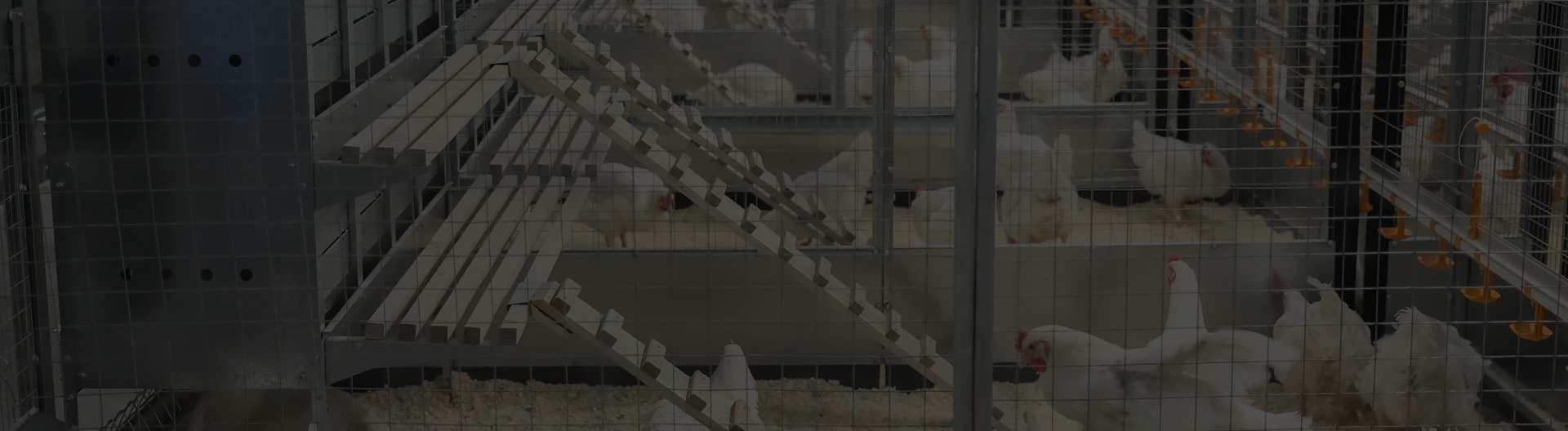
Key Chicken Egg Layer Cages Structure Design Features
დეკ . 11, 2025 15:13 სიაში დაბრუნება
Key Chicken Egg Layer Cages Structure Design Features
Modern poultry farming demands structures that prioritize bird welfare, operational efficiency, and durability. The design of an automatic chicken layer cage system is a sophisticated balance of materials science, ergonomic engineering, and biosecurity principles. These highly specialized layer chicken cages are a far cry from traditional coops, offering features specifically tailored for mass egg production.
Material Selection and Durability: The Foundation of Layer Chicken Cages
The primary structural component of any cage system is the wire mesh. The choice and treatment of this material directly influence the cage's lifespan and the health of the flock.
A. High-Quality, Corrosion-Resistant Wire Mesh
Material: Cages are typically constructed from high-tensile, low-carbon steel wire. This material provides the necessary strength to support the birds and the heavy frame structure.
Corrosion Protection: Given the high humidity and constant exposure to corrosive ammonia from manure, the wire must be treated. The preferred treatment for durable layer chicken cages is:
Hot-Dip Galvanization: This process applies a thick, uniform coating of zinc that chemically bonds with the steel, offering superior protection against rust and extending the cage life significantly (often to 15-20 years). This feature is essential for a cost-effective system.
B. Robust Support Frame and A- or H-Type Configurations
Structural Integrity: The main support frame (legs and crossbeams) must be exceptionally sturdy, often made of galvanized square or rectangular tubing. This frame supports not only the cages but also the water pipes, feeding systems, and the weight of thousands of birds and eggs.
Configurations: The cage structure utilizes two main designs:
A-Type: Characterized by its A-frame shape, offering good ventilation and light distribution, typically in 2-3 tiers. This design is often favored for smaller, open-sided poultry houses.
H-Type (Vertical): Stacking cages directly on top of each other, often 3 to 8 tiers high. This design maximizes bird capacity per square foot, making it the standard for high-density, controlled-environment automatic chicken layer cage houses.
Chicken Cage’s Floor Design: Optimizing Bird Comfort and Egg Collection
The floor mesh is arguably the most critical design feature, as it directly impacts both the hen's welfare and the core function of the system: egg collection.
A. Appropriate Mesh Size and Gauge for Foot Health
Footpad Comfort: The bottom mesh uses a specific rectangular or square pattern with dimensions that prevent the hen's feet from slipping through, yet allow manure to pass easily. The wire gauge must be thick enough to resist bending but smooth enough to prevent foot injuries and bumblefoot.
The Angle of the Slope: The floor is engineered with a precise slope, typically between 7° and 8°, which is just enough to allow the laid egg to gently roll out of the cage onto the collection belt without cracking, but not steep enough to cause the hen to slide forward.
B. Strategic Egg Collection Trough Design
Protected Roll-Out: The front lip of the floor is rounded or flared outwards to guide the egg into the collection trough smoothly.
Trough Width: The trough itself is designed to hold the eggs safely until they are either manually collected or picked up by the mechanical collection system of the chicken egg layer cages. It must protect the eggs from being pecked by the birds inside the cage.
Feeding and Watering Systems: Integrated Automation in Automatic Chicken Layer Cage
The integration of automated systems into the cage structure is what defines a modern operation, significantly reducing labor and ensuring consistent resource delivery.
A. Automated Feeding Troughs
V-Shaped Troughs: Troughs are typically V-shaped and hung along the front of the cages, minimizing feed spillage and waste.
Automated Delivery: The design must accommodate the movement of the feeding mechanism:
Trolley/Hopper System: A traveling hopper moves along the length of the cage row, dispensing feed evenly into the troughs.
Chain/Spiral Auger System: A chain or auger moves continuously through the trough, ensuring all birds, even those at the far end, receive fresh feed.
B. Nipple Drinking System
Closed System Biosecurity: Modern layer chicken cages use a closed PVC pipe system with strategically placed nipple drinkers. This prevents water contamination, a significant biosecurity advantage over open troughs.
Adjustable Height: The pipes are mounted on the top or side of the cage sections at a height that allows the chickens to comfortably reach the nipples by tilting their heads, encouraging proper water intake without spillage.
Pressure Regulators: The structural design must integrate mounting points for pressure regulators at the end of each line to ensure uniform water flow throughout the entire length of the cage.
Manure Management: The Critical Role of the Chicken Poultry Cage Structure
Effective waste removal is paramount for reducing ammonia levels, minimizing disease, and maintaining the structural integrity of the layer chicken cages.
A. Deep Pit vs. Belt Systems
Deep Pit Systems (A-Type): In A-Type cages, the separation between tiers allows manure to drop directly into a concrete pit below. The cage structure must be tall enough to allow for years of accumulation or periodic cleaning.
Manure Removal Belt System (H-Type): This is the hallmark of the automatic chicken layer cage. A durable polypropylene or rubber belt is installed directly under each tier of cages.
Support and Scrapers: The cage frame must include mounting brackets for the belt rollers and motor, as well as scraper plates that ensure the belt is completely cleaned at the end of its run before the manure is transferred out of the house. This design is highly effective at controlling odor and disease.
B. Environmental Separation
In multi-tier designs, a key structural feature is the provision of a separating plate or plastic sheet between the floor of an upper cage and the roof of the cage below. This ensures that droppings from the upper tiers do not fall onto the birds below, drastically improving hygiene and preventing feather pecking.
Chicken Cages’ Ergonomics and Maintenance Access
A good chicken egg layer cages design balances high density with worker accessibility.
Sliding or Hinged Doors: Cage doors must be large enough for easy loading and removal of birds and designed with secure, quick-access latches to minimize the chance of accidental opening.
Working Aisles: The overall structure's width must leave adequate aisle space between rows for workers and maintenance equipment, such as the feeding trolley or egg collection machine.
By focusing on these five structural design features—material integrity, floor engineering, integrated automation, robust manure management, and maintenance accessibility—producers can select layer chicken cages that are not only efficient for egg production but also sustainable and welfare-conscious for the flock.
-
Professional Mini Poultry Cage for Efficient Small Scale Farming
სიახლეებიApr.16,2026
-
Optimizing Poultry Production with Advanced Cage System Poultry
სიახლეებიApr.09,2026
-
Optimizing Layer Poultry Cages for Efficient and Profitable Egg Production
სიახლეებიApr.07,2026
-
Comprehensive Guide to Poultry Cages for Layers and Modern Farming Solutions
სიახლეებიApr.04,2026
-
Comprehensive Guide to Optimizing Poultry Laying Cages for Egg Production
სიახლეებიMar.31,2026
-
Maximize Egg Production with Efficient Poultry Layer Cage Systems
სიახლეებიMar.28,2026





 English
 Afrikaans
 Albanian
 Amharic
 Arabic
 Armenian
 Azerbaijani
 Basque
 Belarusian
 Bengali
 Bosnian
 Bulgarian
 Catalan
 Cebuano
 Corsican
 Croatian
 Czech
Czech
 Danish
 Dutch
Dutch
 Esperanto
 Estonian
 Finnish
 French
 Frisian
 Galician
 German
 Greek
Greek
 Gujarati
 Haitian Creole
 Hausa
Hausa
 Hawaiian
 Hebrew
 Hindi
Hindi
 Miao
Miao
 Hungarian
 Icelandic
 Igbo
Igbo
 Indonesian
 Irish
Irish
 Italian
 Japanese
 Javanese
 Kannada
 Kazakh
 Khmer
Khmer
 Rwandese
 Korean
 Kurdish
 Kyrgyz
 Lao
Lao
 Latin
Latin
 Latvian
 Lithuanian
 Luxembourgish
 Macedonian
 Malgashi
 Malay
Malay
 Malayalam
 Maltese
 Maori
Maori
 Marathi
 Mongolian
 Myanmar
 Nepali
 Norwegian
 Norwegian
 Occitan
 Pashto
 Persian
 Polish
 Portuguese
 Punjabi
 Romanian
 Russian
 Samoan
 Scottish Gaelic
 Serbian
 Sesotho
 Shona
Shona
 Sindhi
 Sinhala
 Slovak
 Slovenian
 Somali
 Spanish
 Sundanese
 Swahili
 Swedish
 Tagalog
 Tajik
Tajik
 Tamil
Tamil
 Tatar
Tatar
 Telugu
 Thai
Thai
 Turkish
 Turkmen
 Ukrainian
 Urdu
Urdu
 Uighur
 Uzbek
Uzbek
 Vietnamese
 Welsh
Welsh
 Bantu
Bantu
 Yiddish
 Yoruba
 Georgian