
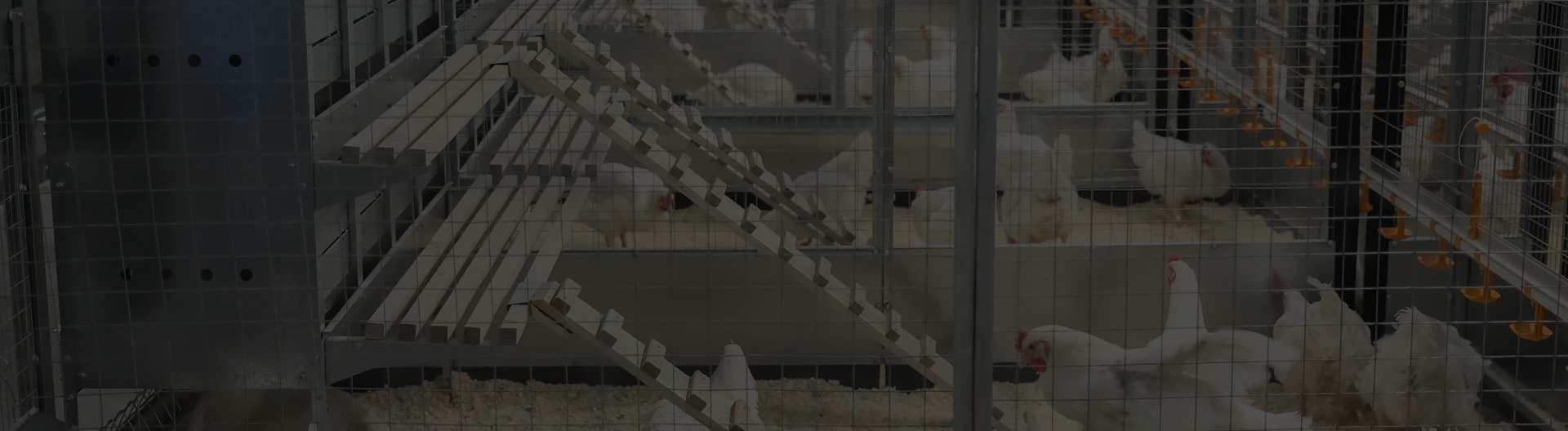
Automatic Chicken Cage Feeding Systems
დეკ . 11, 2025 14:56 სიაში დაბრუნება
Automatic Chicken Cage Feeding Systems
The global demand for poultry products, especially eggs, continues to soar, placing immense pressure on commercial chicken farms to optimize efficiency, maintain bird welfare, and maximize output. The transition from traditional, floor-based rearing to advanced automatic chicken cage systems marks a significant leap forward in meeting these challenges. Central to this modernization is the sophisticated Automatic Chicken Cage Feeding System, a technology that is fundamentally changing how large-scale poultry operations manage nutrition and labor.
The Evolution of Caging: From Simple Housing to Automatic Layer Chicken Cage
Historically, poultry farming relied on manual labor for feeding, a process that was not only time-consuming but also prone to inconsistencies, leading to feed wastage and uneven bird growth. The introduction of cages was the first major step toward consolidation and improved hygiene. However, it is the integration of automation that has truly transformed the industry.
Modern automatic layer chicken cage systems are highly engineered environments designed for the well-being and productivity of the birds. These multi-tiered units not only provide a safe, clean space but also fully integrate systems for waste removal, climate control, and—most importantly—feeding. These automated cages are specifically designed to house high densities of laying hens, ensuring each bird has consistent access to food and water, which is critical for maximizing egg production.
Key Components of the Automatic Chicken Cage Feeding System
A successful automatic feeding system is a complex integration of several mechanical and electronic components working in harmony. The primary goal is to deliver a precise, fresh, and consistent amount of feed to thousands of chickens with minimal human intervention.
Feed Silo and Storage: The process begins with large, outdoor silos where bulk feed is stored. The silos protect the feed from environmental contamination and pests, ensuring its quality until distribution.
Delivery Augers/Spiral Conveyors: An automated screw-type conveyor (auger) or spiral system moves the feed from the silo into the poultry house. These systems are robust and are controlled by level sensors within the house to maintain a steady supply.
Feed Trough and Hoppers: Inside the automatic layer chicken cage house, the feed is distributed from the main line into smaller hoppers connected to the cage rows.
Trolley (Traveling Hopper) or Chain Feeding:
Trolley System (Most Common in Modern Cages): A motorized trolley moves along the top of the cage rows. As it travels, it dispenses an exact, measured amount of feed into the trough of each cage tier. This system ensures every bird receives fresh feed simultaneously, minimizing competition and feed sorting.
Chain Feeding System: An alternative where a continuous chain travels through a feed trough, dragging the feed along the length of the cage. While reliable, the trolley system is often preferred in large-scale commercial chicken cages for its ability to deliver fresher feed quickly.
Sensors and Control Unit: The entire system is managed by a central control panel. Timers, weight sensors, and limit switches dictate the feeding schedule (e.g., three times a day) and monitor the feed level in the troughs, ensuring the system runs smoothly and alerts operators to any malfunctions or empty silos.
Economic and Operational Advantages for Commercial Chicken Cages
The investment in an automatic feeding system for commercial chicken cages yields substantial returns through several key operational and economic benefits:
1. Reduced Labor Costs and Increased Efficiency
Manual feeding is labor-intensive and costly. By automating this task, farms can significantly reduce their labor requirements, freeing personnel to focus on critical tasks like bird health inspection, egg collection, and system maintenance. The speed of the automated system also ensures a uniform feeding schedule, leading to better flock management.
2. Optimized Feed Conversion Ratio (FCR)
Feed constitutes the largest operating expense in a poultry farm (often 60-70% of total costs). Automated systems are designed to deliver precisely the required quantity of feed, preventing overfilling of troughs and spillage. This minimization of waste, combined with the consistent delivery of fresh feed, directly improves the Feed Conversion Ratio (FCR)—the ratio of feed input to egg output—leading to higher profitability.
3. Enhanced Bird Health and Uniformity in the Layer Egg Chicken Cage
In manual systems, the dominant birds often consume more feed than subordinate ones. The automated trolley system, however, ensures all birds in the layer egg chicken cage receive their meal simultaneously. This reduces stress, aggression, and competition, resulting in a more uniform flock weight and, crucially, consistent egg production and quality. Consistent access to fresh feed also promotes better gut health.
4. Data-Driven Management
Modern systems often include load cells and software integration. This allows farm managers to track real-time feed consumption, helping them detect sudden drops in appetite (an early indicator of disease) or adjust the feed formulation and schedule based on the flock’s stage of production and environmental factors.
The Role of the Layer Egg Chicken Cage in Modern Egg Production
The synergy between the specialized layer egg chicken cage and the automatic feeding system is what defines modern high-yield egg production. The cages themselves are designed with features like nipple drinkers for clean water access and a sloped floor for immediate, gentle egg roll-out to a collection belt.
The automatic feeding system complements this by providing the exact nutritional requirements needed to sustain high egg production. This integrated approach ensures that the layer hens are housed in an environment that maximizes their genetic potential, resulting in:
Higher peak production rates.
Improved egg shell quality and consistency.
Reduced mortality rates due to better sanitation and reduced stress.
The Automatic Chicken Cage Feeding System is an indispensable technology for any modern large-scale poultry operation utilizing commercial chicken cages. By minimizing labor, eliminating feed waste, improving bird welfare, and providing managers with crucial consumption data, these systems drive the efficiency and sustainability of the industry. As the world population grows, the demand for affordable protein will only increase, solidifying the role of the automated automatic chicken cage and its feeding system as the backbone of future commercial egg production. The future of poultry farming is clean, controlled, and definitively automated.
-
Professional Mini Poultry Cage for Efficient Small Scale Farming
სიახლეებიApr.16,2026
-
Optimizing Poultry Production with Advanced Cage System Poultry
სიახლეებიApr.09,2026
-
Optimizing Layer Poultry Cages for Efficient and Profitable Egg Production
სიახლეებიApr.07,2026
-
Comprehensive Guide to Poultry Cages for Layers and Modern Farming Solutions
სიახლეებიApr.04,2026
-
Comprehensive Guide to Optimizing Poultry Laying Cages for Egg Production
სიახლეებიMar.31,2026
-
Maximize Egg Production with Efficient Poultry Layer Cage Systems
სიახლეებიMar.28,2026





 English
 Afrikaans
 Albanian
 Amharic
 Arabic
 Armenian
 Azerbaijani
 Basque
 Belarusian
 Bengali
 Bosnian
 Bulgarian
 Catalan
 Cebuano
 Corsican
 Croatian
 Czech
Czech
 Danish
 Dutch
Dutch
 Esperanto
 Estonian
 Finnish
 French
 Frisian
 Galician
 German
 Greek
Greek
 Gujarati
 Haitian Creole
 Hausa
Hausa
 Hawaiian
 Hebrew
 Hindi
Hindi
 Miao
Miao
 Hungarian
 Icelandic
 Igbo
Igbo
 Indonesian
 Irish
Irish
 Italian
 Japanese
 Javanese
 Kannada
 Kazakh
 Khmer
Khmer
 Rwandese
 Korean
 Kurdish
 Kyrgyz
 Lao
Lao
 Latin
Latin
 Latvian
 Lithuanian
 Luxembourgish
 Macedonian
 Malgashi
 Malay
Malay
 Malayalam
 Maltese
 Maori
Maori
 Marathi
 Mongolian
 Myanmar
 Nepali
 Norwegian
 Norwegian
 Occitan
 Pashto
 Persian
 Polish
 Portuguese
 Punjabi
 Romanian
 Russian
 Samoan
 Scottish Gaelic
 Serbian
 Sesotho
 Shona
Shona
 Sindhi
 Sinhala
 Slovak
 Slovenian
 Somali
 Spanish
 Sundanese
 Swahili
 Swedish
 Tagalog
 Tajik
Tajik
 Tamil
Tamil
 Tatar
Tatar
 Telugu
 Thai
Thai
 Turkish
 Turkmen
 Ukrainian
 Urdu
Urdu
 Uighur
 Uzbek
Uzbek
 Vietnamese
 Welsh
Welsh
 Bantu
Bantu
 Yiddish
 Yoruba
 Georgian