
In the rapidly evolving sector of livestock management, the efficiency of animal transit plays a pivotal role in maintaining livestock health and overall farm productivity. A high-quality rabbit transport cage is not merely a container but a critical piece of equipment designed to minimize stress and physical trauma during relocation. By optimizing the environment during transit, producers can significantly reduce mortality rates and ensure that animals arrive at their destination in peak condition.
Globally, the demand for specialized cuniculture equipment has surged as rabbit farming transitions from backyard hobbyism to commercial-scale automation. The integration of ergonomic designs in a rabbit transport cage allows for safer handling, faster loading times, and better ventilation, which are essential for preventing respiratory distress in sensitive breeds. As welfare standards become more stringent worldwide, the industry is shifting toward materials and configurations that prioritize the biological needs of the animal.
Understanding the nuances of transport infrastructure is key to scaling a rabbitry operation successfully. From selecting the right gauge of galvanized steel to ensuring the locking mechanisms are secure yet easy to operate, every detail of a rabbit transport cage impacts the bottom line. This guide explores the technical specifications, global applications, and future innovations that define modern rabbit transportation systems.
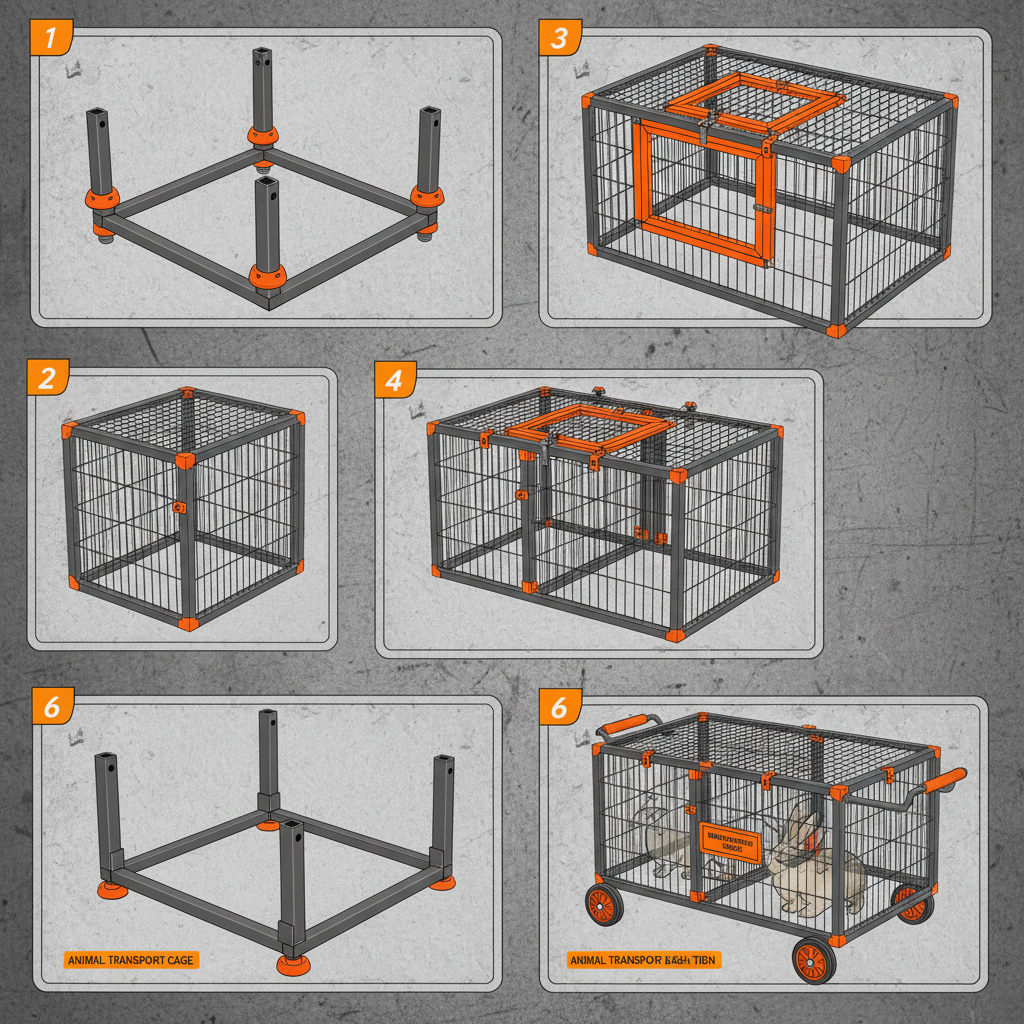
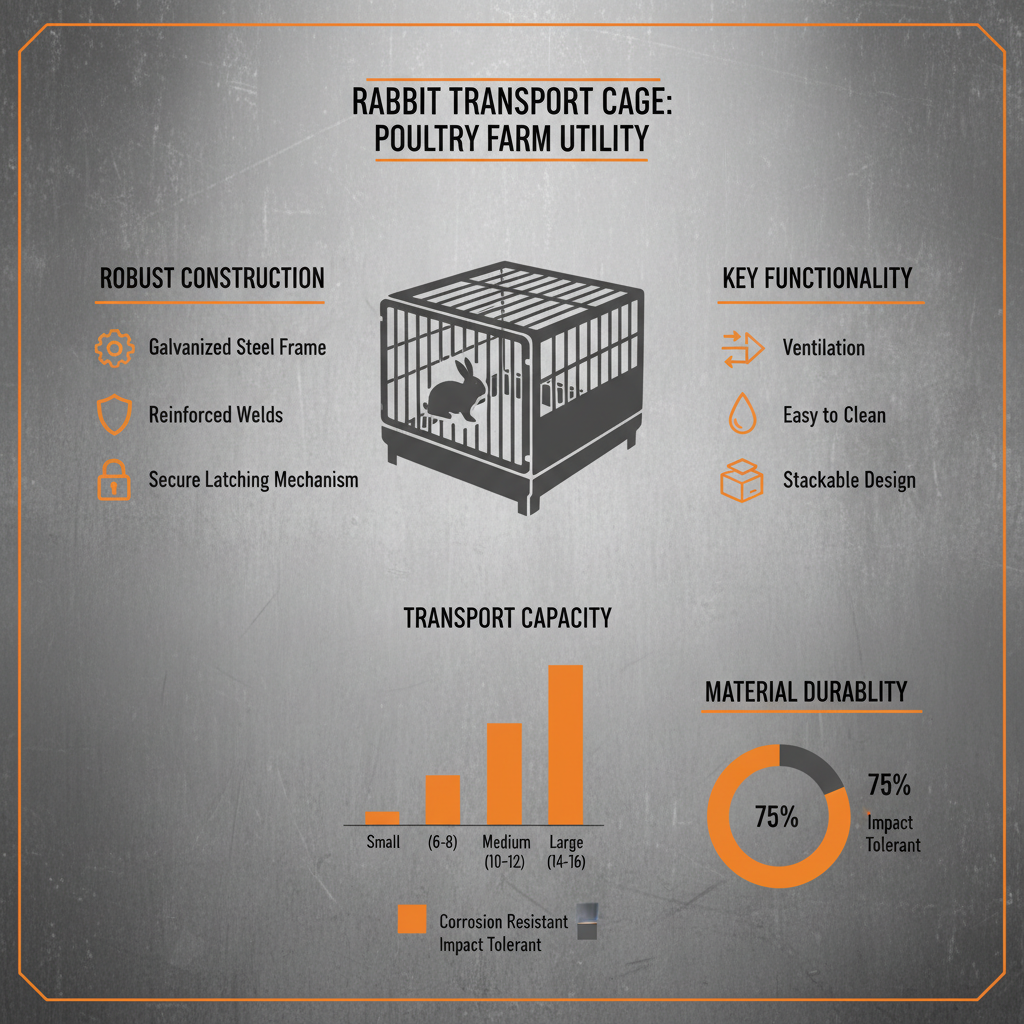
The global rabbit meat and fur industry has seen a steady rise in production, particularly in Europe and Asia, where rabbit protein is a sustainable alternative to beef and pork. According to industry trends aligned with FAO guidelines, the logistics of moving livestock—specifically the use of a professional rabbit transport cage—has become a focal point for reducing "transport stress," which can lead to significant weight loss or death in rabbits.
In many developing agricultural zones, the challenge lies in the lack of standardized equipment, leading to haphazard transport methods that jeopardize animal safety. By adopting standardized, industrial-grade cages, farmers can align with ISO quality standards and international veterinary requirements, ensuring that their livestock remains viable for export and high-value domestic markets.
Professional cages are engineered for commercial scale, focusing on ventilation, stackability, and material durability. While a pet carrier is for occasional use, a professional rabbit transport cage is designed for repeated industrial sterilization and high-density transport, ensuring the animals remain stable and cool during long journeys.
The best way to maintain hygiene is to use cages made from hot-dip galvanized steel or high-density plastics. These materials can be pressure-washed and treated with veterinary-grade disinfectants without corroding, effectively eliminating pathogens between shipments.
Yes, provided they meet the specific IATA or regional veterinary requirements. A high-quality rabbit transport cage provides the necessary security and airflow required for long-haul transit, though climate-controlled environments are always recommended for long distances.
The size should allow the rabbit to sit comfortably without being so loose that they are tossed around during vehicle movement. Ideal dimensions typically allow for a natural resting position while maintaining a compact form for efficient transport logistics.
Metal itself does not regulate temperature, but the open-mesh design of a professional rabbit transport cage prevents heat buildup. When used in a ventilated truck or shaded area, metal cages provide superior airflow compared to solid-walled plastic carriers.
Most industrial manufacturers offer customization options. By providing the average weight and size of your breed, companies can adjust the gauge of the wire and the dimensions of the rabbit transport cage to ensure a perfect fit for your specific livestock.
In summary, the rabbit transport cage is an indispensable component of the modern cuniculture value chain. From ensuring animal welfare and reducing transit stress to enhancing operational efficiency and biosecurity, the right equipment transforms a risky logistical challenge into a streamlined process. By focusing on material durability, optimal ventilation, and ergonomic design, producers can safeguard their livestock and maximize their profitability.
Looking forward, the integration of smart monitoring and sustainable materials will continue to redefine livestock transit. For any farm looking to scale its operations or improve its animal welfare standards, investing in professional-grade transport solutions is the most effective step toward long-term success. We invite you to explore our full range of breeding and transport solutions to optimize your facility. Visit our website: www.yizemachine.com
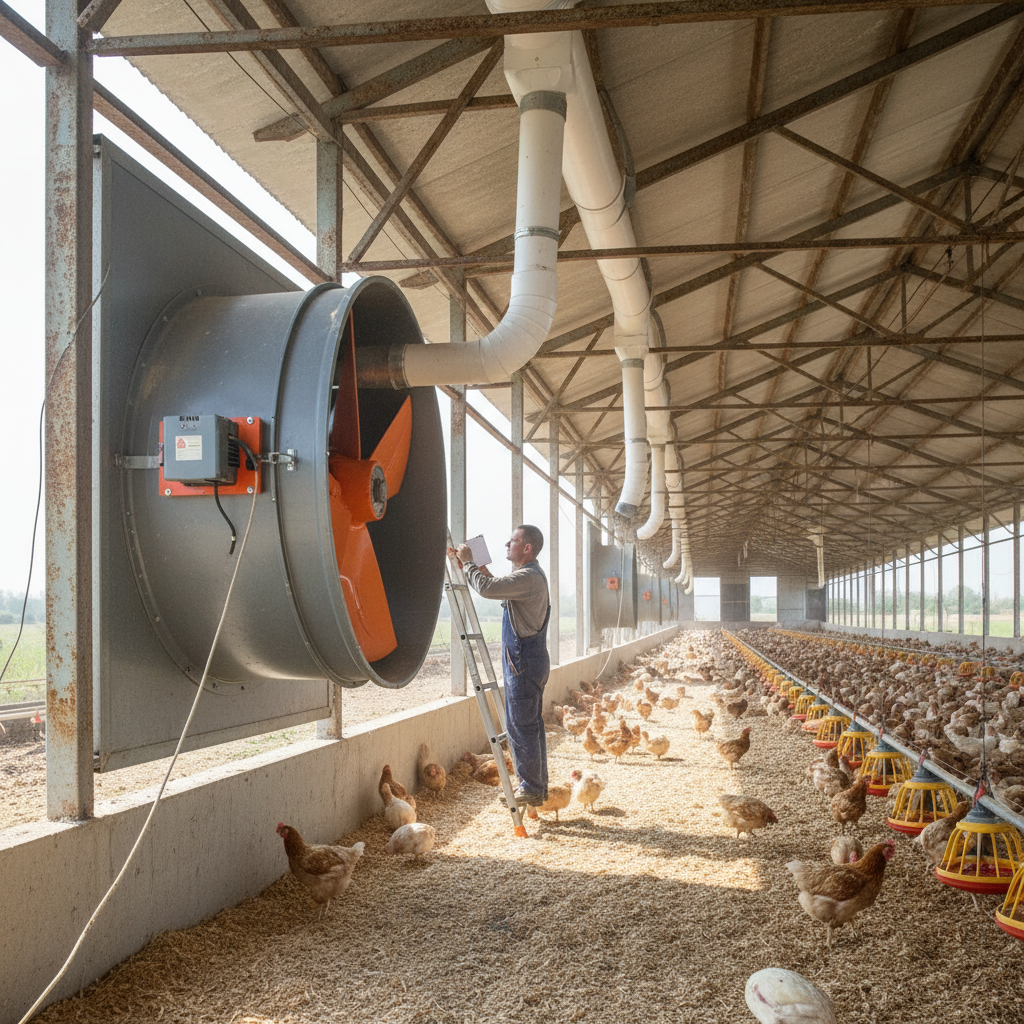
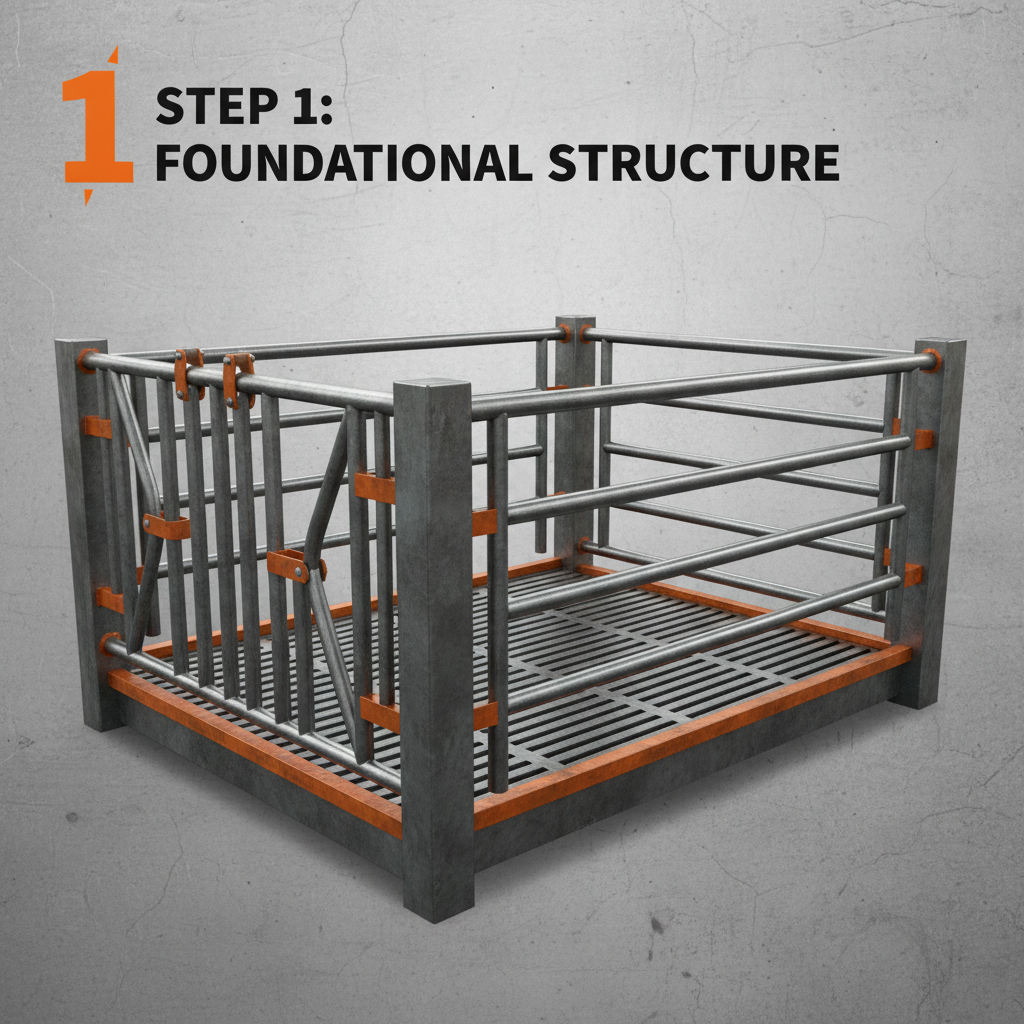






 Afrikaans
 Albanian
 Amharic
 Arabic
 Armenian
 Azerbaijani
 Basque
 Belarusian
 Bengali
 Bosnian
 Bulgarian
 Catalan
 Cebuano
 Corsican
 Croatian
 Czech
Czech
 Danish
 Dutch
Dutch
 Esperanto
 Estonian
 Finnish
 French
 Frisian
 Galician
 Georgian
 German
 Greek
Greek
 Gujarati
 Haitian Creole
 Hausa
Hausa
 Hawaiian
 Hebrew
 Hindi
Hindi
 Miao
Miao
 Hungarian
 Icelandic
 Igbo
Igbo
 Indonesian
 Irish
Irish
 Italian
 Japanese
 Javanese
 Kannada
 Kazakh
 Khmer
Khmer
 Rwandese
 Korean
 Kurdish
 Kyrgyz
 Lao
Lao
 Latin
Latin
 Latvian
 Lithuanian
 Luxembourgish
 Macedonian
 Malgashi
 Malay
Malay
 Malayalam
 Maltese
 Maori
Maori
 Marathi
 Mongolian
 Myanmar
 Nepali
 Norwegian
 Norwegian
 Occitan
 Pashto
 Persian
 Polish
 Portuguese
 Punjabi
 Romanian
 Russian
 Samoan
 Scottish Gaelic
 Serbian
 Sesotho
 Shona
Shona
 Sindhi
 Sinhala
 Slovak
 Slovenian
 Somali
 Spanish
 Sundanese
 Swahili
 Swedish
 Tagalog
 Tajik
Tajik
 Tamil
Tamil
 Tatar
Tatar
 Telugu
 Thai
Thai
 Turkish
 Turkmen
 Ukrainian
 Urdu
Urdu
 Uighur
 Uzbek
Uzbek
 Vietnamese
 Welsh
Welsh
 Bantu
Bantu
 Yiddish
 Yoruba
 English