
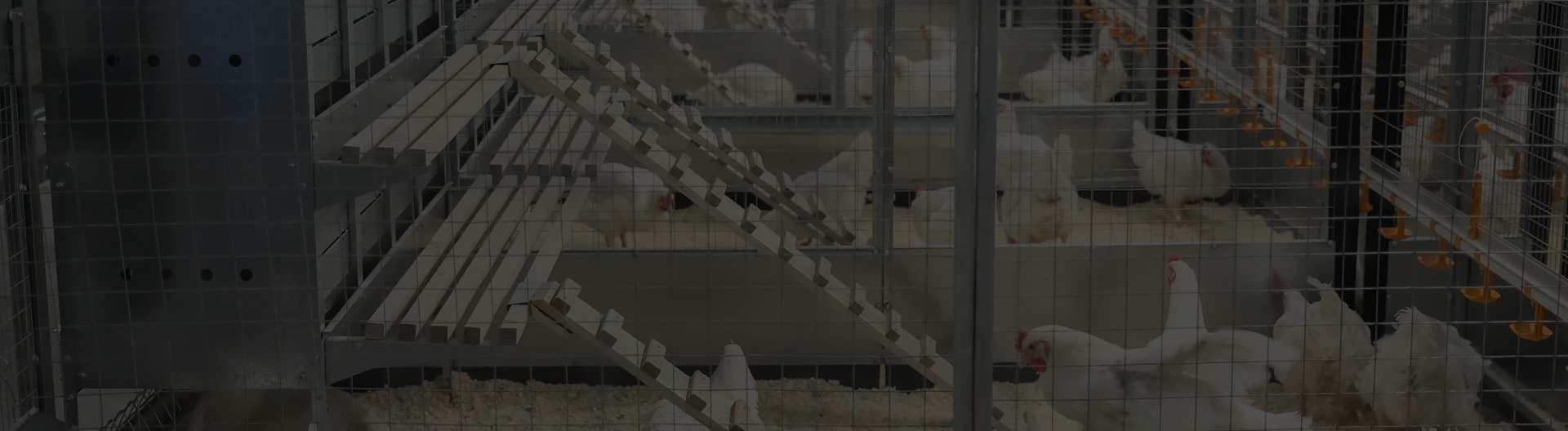
Exploring Innovative Cages for Layers Chickens: Efficiency, Welfare & Sustainability
Nov . 26, 2025 13:00 Back to list
Exploring Innovative Cages for Layers Chickens: Efficiency, Welfare & Sustainability
Understanding Cages for Layers Chickens: Why It Matters Worldwide
If you think about modern poultry farming, cages for layers chickens are sort of the backbone. They’re not just simple wire boxes—they have evolved into complex systems that impact everything from animal welfare to farm economics across continents. Globally, the demand for eggs is rising sharply; the Food and Agriculture Organization (FAO) estimates global egg production will exceed 90 million tonnes by 2030. That’s a whole lot of poultry housing needed to meet this demand with efficiency and humane standards.
Knowing about cages for layers chickens isn’t just for farmers or industry experts. It’s essential for sustainable food production, global food security, and even climate goals. Better cages reduce feed waste, improve egg quality, and lower disease risks—benefits that ripple outward to consumers and supply chains.
The Global Context: Why Poultry Housing Design Is Critical
On a global scale, poultry farming isn’t just local chicken coop stories; it’s a massive industrial and socioeconomic sector. The World Bank notes that in lower- and middle-income countries, poultry accounts for about 35% of agricultural GDP growth. But with growth comes challenges. How do you house millions of layers efficiently, sustainably, and ethically without breaking the bank or the animals' well-being?
In many regions, traditional free-range systems can’t meet demand or control disease. Enter cages for layers chickens. While controversial in some quarters for welfare reasons, improved cage systems — like enriched cages — offer a hybrid approach that balances productivity with better living conditions. That's the challenge: keeping up with demand while respecting welfare and environmental impact.
What Exactly Are Cages for Layers Chickens?
Simply put, cages for layers chickens are specialized enclosures designed to house female chickens (layers) raised primarily for egg production. Unlike backyard coops or open-range systems, these cages are engineered to maximize space use, enhance hygienic conditions, and facilitate egg collection, feeding, and cleaning—all automated in commercial operations.
Modern cages represent the intersection between agriculture and technology, showing how even age-old farming practices adapt with industrial innovation. They meet humanitarian needs, too—think about how efficient egg production can improve nutrition in regions facing food insecurity.
Oddly enough, it feels like these tiny cages reflect big global problems, and the solutions start here.Key Factors in Cages for Layers Chickens
1. Durability and Material Quality
Durability is king. These cages endure moisture, ammonia, dust, and daily use for years. Materials like galvanized steel and PVC-coated wire are common because rust or wear can lead to contamination or injury. It also affects replacement costs—a fragile cage means downtime and unexpected expenses.
2. Space Allocation and Design Ergonomics
Comfort and productivity are closely linked. The size and shape must allow chickens to stand, turn, and lay naturally while maximizing cage density. Industries globally are leaning towards “enriched” cage designs—adding perches or nesting areas—bridging traditional cage and cage-free models.
3. Automation Compatibility
Feed delivery, egg collection, and waste removal systems now integrate seamlessly with cages. That means farmers can manage huge flocks with fewer hands. The less manual labor involved, the less human error or contamination risk—critical in pandemic-aware farming.
4. Ventilation and Hygiene
Good airflow prevents disease buildup, improves animal welfare, and controls odors. Cages often come with sloped floors allowing droppings to fall into collection pans, facilitating cleaning and reducing pathogen transmission.
5. Scalability and Adaptability
Whether you’re a family-owned farm or a massive agro-industrial complex, cages need to scale or reconfigure easily. Modular cage systems cater to evolving flock sizes or changing regulations.
Spec Sheet: Typical Layers Chicken Cage Specifications
| Feature | Details |
|---|---|
| Material | Galvanized steel with PVC coating |
| Dimensions (per unit) | 120 cm (L) x 50 cm (W) x 45 cm (H) |
| Capacity | 4-6 hens per cage (depending on model) |
| Flooring | Sloped wire mesh for egg collection |
| Integration | Compatible with automated feeders and egg collectors |
| Warranty | 5 years manufacturer’s warranty |
Real-World Applications: Who Uses These Cages?
Regions like Southeast Asia, Europe, and the Americas rely heavily on cages for layers chickens. Large poultry operations in Brazil and the U.S. are famous for using automated cage systems to house millions of layers with remarkable efficiency. Meanwhile, several Eastern European and African countries use mid-scale modular cages to improve production for both export and local markets.
In post-disaster settings, fast-assembled poultry cages have even been part of food security interventions aimed at restoring livelihoods. NGOs have found that portable cages for layers chickens help small farmers restart after disruptions, maintain steady egg supplies, and secure incomes quickly.
If you want more on precision farming or how cages integrate with IPM (Integrated Pest Management), check out cages for layers chickens for some interesting solutions.
Advantages and Long-Term Value of Modern Layer Cages
- Cost Efficiency: Automated feeding and egg collection reduce labor costs and human error.
- Sustainability: Less feed waste and better disease control mean fewer resources consumed per egg.
- Animal Welfare: Enriched cage designs promote natural behaviors while maintaining hygiene.
- Reliability and Consistency: Uniform conditions lead to steady egg production and quality.
- Social Impact: Farm families and workers can earn stable incomes with fewer health hazards.
Frankly, when I think about the trust a supplier earns by delivering durable, safe, and humane cages, it feels like a long-term investment not just in farming but in people’s lives.
Table: Comparing Leading Vendors of Layer Chicken Cages
| Vendor | Design Innovation | Price Range (per unit) | Warranty | Global Reach |
|---|---|---|---|---|
| HenHousePro | Enriched cages with integrated sensors | $75 - $120 | 7 years | North America, EU, Asia |
| PoultryTech Co. | Modular, easy-assemble cages | $60 - $100 | 5 years | Latin America, Africa |
| AgriSystems Ltd. | Durable galvanized steel with feeding automation | $80 - $130 | 6 years | Global |
Future Trends in Cages for Layers Chickens
Technology never rests, and neither does poultry housing innovation. The future promises:
- Smart Monitoring: IoT devices integrated into cages to monitor hen health and environmental factors in real time.
- Eco-Friendly Materials: Biodegradable or recycled composites reducing environmental footprint.
- Automation Boost: AI-driven feeding and cleaning with minimal human input.
- Improved Welfare Designs: More spacious enriched cages with multi-level access.
Interestingly, integrating renewable energy like solar panels to power cage automation is becoming a trend, especially in remote or off-grid areas.
Challenges and How Experts Are Tackling Them
Limitations persist—animal welfare critics, initial capital costs, and regional regulatory discrepancies, for instance. Many farmers find the upfront investment daunting. But experts suggest phased implementation, government subsidies, and global knowledge exchanges as viable solutions.
Also, innovations such as modular kits and affordable materials are making cages more accessible without compromising quality. Batteries and solar integration also help push automation where grid power is unreliable.
FAQ: Frequently Asked Questions About Cages for Layers Chickens
- What makes enriched cages better than traditional battery cages?
- Enriched cages provide more space, offer perches and nesting areas, allowing hens to express natural behaviors, which improves welfare and often egg quality while retaining production efficiency.
- How long do commercial layer cages typically last?
- Durable cages made of galvanized steel with protective coatings can last 5 to 10 years, depending on maintenance and environmental conditions, ensuring good ROI over time.
- Are cage systems compatible with organic or free-range certification?
- Generally, certified organic and free-range programs restrict or prohibit traditional cage use, but enriched cages may be acceptable in some standards depending on regional regulations.
- Can small farmers benefit from cage systems?
- Yes, especially modular cages scaled for smaller flocks improve hygiene, reduce labor, and boost productivity even for smallholder farms.
- How can NGOs import cages for relief or development projects?
- Organizations typically liaise with manufacturers offering export documentation and local agents; choosing modular, easy-assemble designs simplifies shipping and setup in target regions.
Wrapping It Up: Why Investing in Better Poultry Cages Makes Sense
Ultimately, cages for layers chickens are more than just farming infrastructure—they represent a meaningful step toward sustainable, efficient, and ethical food production worldwide. As the chicken laying industry expands with increasing demand, innovative cage designs and supporting technologies will be critical to meeting future needs without compromising welfare or environmental concerns.
Curious to explore specific products or learn more about innovative poultry solutions? Visit our website: https://www.yizemachine.com. There’s a lot to discover.
References
-
Comprehensive Guide to Plastic Vacuum Packaging Machines: Benefits, Uses & Trends
NewsDec.03,2025
-
Comprehensive Guide to Sausage Vacuum Packaging Machines: Benefits, Uses, and Future Trends
NewsDec.03,2025
-
Vacuum Plastic Packaging Machine - Global Applications, Benefits & Future Trends
NewsDec.03,2025
-
Comprehensive Guide to Sheep Feed Pellet Machine – Benefits, Uses & Future Trends
NewsDec.02,2025
-
Horse Feed Pellet Machine: Essential Guide to Features, Benefits, and Global Applications
NewsDec.02,2025
-
Small Pellet Feed Making Machine: Benefits, Uses & Future Trends | Yize Machine
NewsDec.02,2025





 Afrikaans
 Albanian
 Amharic
 Arabic
 Armenian
 Azerbaijani
 Basque
 Belarusian
 Bengali
 Bosnian
 Bulgarian
 Catalan
 Cebuano
 Corsican
 Croatian
 Czech
Czech
 Danish
 Dutch
Dutch
 Esperanto
 Estonian
 Finnish
 French
 Frisian
 Galician
 Georgian
 German
 Greek
Greek
 Gujarati
 Haitian Creole
 Hausa
Hausa
 Hawaiian
 Hebrew
 Hindi
Hindi
 Miao
Miao
 Hungarian
 Icelandic
 Igbo
Igbo
 Indonesian
 Irish
Irish
 Italian
 Japanese
 Javanese
 Kannada
 Kazakh
 Khmer
Khmer
 Rwandese
 Korean
 Kurdish
 Kyrgyz
 Lao
Lao
 Latin
Latin
 Latvian
 Lithuanian
 Luxembourgish
 Macedonian
 Malgashi
 Malay
Malay
 Malayalam
 Maltese
 Maori
Maori
 Marathi
 Mongolian
 Myanmar
 Nepali
 Norwegian
 Norwegian
 Occitan
 Pashto
 Persian
 Polish
 Portuguese
 Punjabi
 Romanian
 Russian
 Samoan
 Scottish Gaelic
 Serbian
 Sesotho
 Shona
Shona
 Sindhi
 Sinhala
 Slovak
 Slovenian
 Somali
 Spanish
 Sundanese
 Swahili
 Swedish
 Tagalog
 Tajik
Tajik
 Tamil
Tamil
 Tatar
Tatar
 Telugu
 Thai
Thai
 Turkish
 Turkmen
 Ukrainian
 Urdu
Urdu
 Uighur
 Uzbek
Uzbek
 Vietnamese
 Welsh
Welsh
 Bantu
Bantu
 Yiddish
 Yoruba
 English