
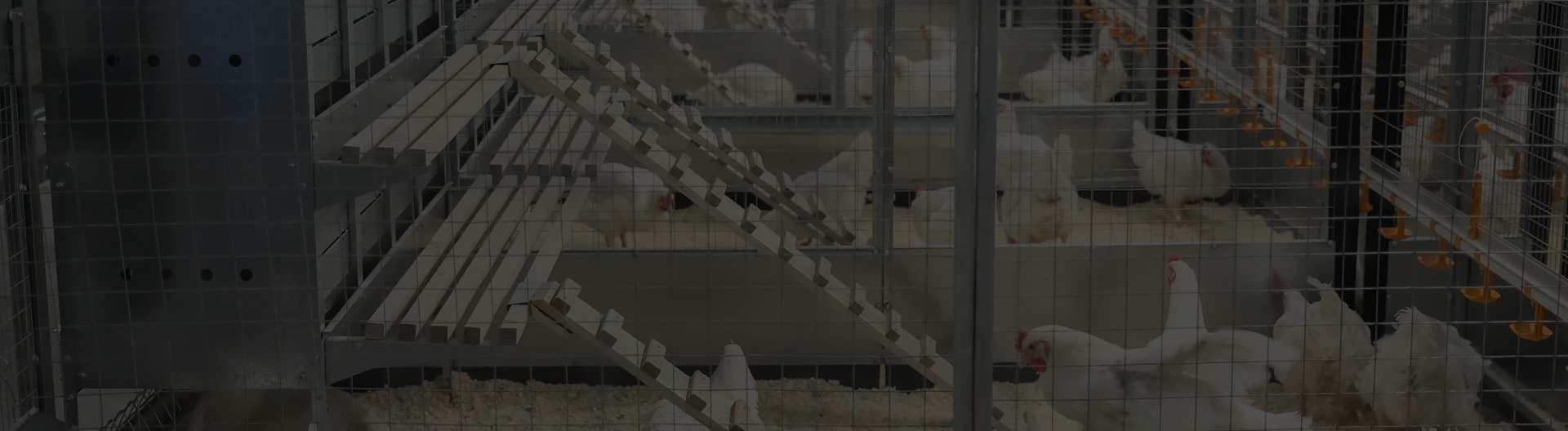
Efficient & Humane Broiler Chicken Transport Cages | Global Standards & Innovations
Dec . 01, 2025 06:50 Back to list
Efficient & Humane Broiler Chicken Transport Cages | Global Standards & Innovations
Why Broiler Chicken Transport Cages Matter Worldwide
If you’ve never given much thought to what keeps millions of chickens safe during transport, you’re not alone. Yet, broiler chicken transport cages play a vital and often overlooked role in the global poultry industry, ensuring animal welfare, operational efficiency, and food safety. With the world consuming nearly 120 million metric tons of poultry meat annually (FAO, 2023), the humble transport cage quietly powers a massive logistical enterprise. Getting this right not only sustains supply chains but also minimizes animal stress, reduces losses, and supports ethical farming practices.
So, why does this matter globally? Because broiler chicken transport cages touch everything from rural farms in Asia to industrial-scale producers in Europe and the Americas. They are a bridge between farm and market — and if poorly designed or managed, the whole system falters.
Mini takeaway: Understanding these cages isn’t just about logistics; it’s about global food security and humane animal treatment.
The Big Picture: Transport Cages in a Global Context
Globally, broiler chicken production is booming. According to the United Nations Food and Agriculture Organization (FAO), poultry meat surpassed beef as the most consumed meat worldwide in the past decade. And with that growth comes a pressing need to transport millions of birds safely from farms to processing plants or markets.
But there’s a challenge: broiler chickens are particularly susceptible to heat stress, overcrowding, and injury during transport — all of which can lead to significant economic and ethical problems. The broiler chicken transport cages aim to solve this issue by offering a secure, ventilated, and efficient environment for moving birds.
Oddly enough, a well-designed transport cage also impacts disease control, a critical matter highlighted recently by global epidemics. The International Organization for Standardization (ISO) even released guidelines focusing on humane transport methods, which places cages front and center in poultry logistics.
Mini takeaway: The industry’s pressure to reduce loss and improve welfare pushes the design and use of better transport cages worldwide.
What Are Broiler Chicken Transport Cages Exactly?
Simply put, broiler chicken transport cages are specially designed enclosures that hold birds securely during transit between farms, holding facilities, and slaughterhouses. They’re basically mobile homes — but built to strict standards that emphasize ventilation, safety, and ease of handling.
Usually made of metal or heavy-duty plastic, these cages are stackable and sized to avoid overcrowding. They’re connected directly to transport vehicles, often modified trucks, for quick loading and offloading.
The role of these cages extends beyond logistics. They help meet animal welfare standards and enable producers to comply with regulations, including the European Union's mandates on poultry transport.
Mini takeaway: These cages are a practical necessity and also a mark of responsible farming.
Core Components That Make Good Transport Cages
Durability
Durable materials like galvanized steel or reinforced plastic withstand repeated use, harsh weather, and cleaning chemicals. Without this, cages quickly degrade, causing injuries or escapes.
Ventilation
Proper airflow is critical to prevent heat stress — broilers have limited ability to regulate their body temperature. Mesh sides or ventilated panels keep air circulating while shielding from direct sunlight and rain.
Scalability & Stackability
Modular designs let farmers adjust the cage number based on flock size and transport requirements, improving efficiency and reducing costs.
Ease of Cleaning
Given strict hygiene needs, cages that are easy to clean and sanitize between uses reduce disease risk and labor time.
Animal Welfare Compliance
Ergonomic dimensions prevent overcrowding and injuries, meeting guidelines from bodies such as the World Organisation for Animal Health (WOAH).
Compatibility with Transport Vehicles
Standardized cage sizes help quick and safe loading onto trucks and railcars, speeding up workflows and minimizing bird stress.
Mini takeaway: A great cage balances toughness, comfort, and practicality — it’s basically a small ecosystem on wheels.
Real-World Uses & Applications
From large poultry factories in the USA to family farms in Southeast Asia, broiler chicken transport cages are a global staple. In the U.S., major integrators use automated loading systems where cages sync seamlessly with trucks, saving hours per day.
In developing countries, these cages are also vital in post-disaster relief efforts where local poultry flocks must be moved quickly to safer locations or markets. NGOs adopt lightweight plastic cages for easy handling and reuse.
Furthermore, some remote industrial zones rely on cage systems tailored for harsh environments — think desert heat or extreme humidity — allowing local producers to maintain a stable poultry supply chain.
Mini takeaway: Whether for mass production or humanitarian aid, these transport cages adapt flexibly to different challenges.
Table: Typical Specification of a Broiler Chicken Transport Cage
| Feature | Specification | Notes |
|---|---|---|
| Material | Galvanized Steel / Heavy-Duty Plastic | Corrosion-resistant options preferred |
| Dimensions (LxWxH) | 120cm x 60cm x 40cm | Fits approx. 10–12 broilers comfortably |
| Weight | 15–18 kg | Light enough for manual handling |
| Stackability | Yes, up to 4 high | Reduces space during transport |
| Ventilation | Mesh sides, perforated floors | Ensures air circulation |
| Cleaning/ Sanitation | Allows pressure washing | Meets hygiene standards |
Advantages & Long-Term Sustainability
Investing in high-quality broiler chicken transport cages yields benefits beyond immediate logistics. Better cages mean fewer injuries and reduced mortality rates during transit, directly impacting farmers’ bottom lines and consumer prices.
There’s also a sustainability angle: durable cages mean less frequent replacements, conserving resources and lowering environmental impact. Many producers highlight that enhanced animal welfare during transport builds consumer trust, aligning with growing preferences for ethical food sourcing.
You could even say these cages become ambassadors of innovation — small, unassuming, but integral to modern poultry farming's social license to operate.
Mini takeaway: The cages are more than boxes — they’re tools for cost-efficiency, empathy, and environmental stewardship.
Looking Ahead: Innovations In Transport Cage Technology
While traditional steel cages do the job, innovations are pushing boundaries: biodegradable plastics, integrated sensors to monitor temperature and bird stress in real time, and solar-powered ventilation systems that reduce heat buildup.
Automation and digital tracking now let producers optimize routes and loading patterns to reduce transport time and bird fatigue. Green policies also encourage recycling or repurposing end-of-life cages, closing material loops and reducing waste.
Challenges & How Industry Experts Are Tackling Them
Of course, it’s not all smooth sailing. Challenges like contamination risks, cage weight, and cost barriers still persist, especially for smaller operators. There’s also variability in global welfare standards, which affects cage design acceptance.
Industry experts recommend ongoing collaboration between manufacturers, farmers, and regulators to innovate adaptable, affordable cage systems. Training drivers and handlers also ensures that even the best cages don’t fall short due to poor handling.
Vendor Comparison: What to Look For When Choosing Transport Cages
| Feature | Vendor A | Vendor B | Vendor C |
|---|---|---|---|
| Materials | Galvanized Steel | Recycled Plastic | Composite Polymer |
| Weight | 18 kg | 12 kg | 14 kg |
| Stackability | Up to 3 tiers | Up to 4 tiers | Up to 4 tiers |
| Durability | High (rust-resistant) | Moderate (UV resistant) | High (impact resistant) |
| Price per unit | $120 | $95 | $110 |
| Eco-friendliness | Low (metal recycling) | High (recycled materials) | Medium (composite) |
Frequently Asked Questions About Broiler Chicken Transport Cages
- Q1: How many chickens can one transport cage hold safely?
- A typical transport cage designed for broilers holds around 10 to 12 birds. This number balances animal welfare by preventing overcrowding while maximizing transport efficiency based on average bird size and weight (ISO standards).
- Q2: What materials are best for longevity and biosecurity?
- Galvanized steel cages are preferred for their durability and resistance to rust, while plastic cages offer lightweight handling and easier sanitation. The choice depends on operating environment and budget, but both can meet biosecurity standards if properly maintained.
- Q3: Are there any regulations about broiler chicken transport cages?
- Yes, many countries follow WOAH or EU guidelines regarding size, ventilation, and transport times. Compliance ensures humane treatment and reduces risks related to bird health and food safety.
- Q4: Can these cages be customized for different climates?
- Definitely. Ventilated panels can be adjusted, and weather-resistant materials used to adapt cages for hot or humid climates, protecting birds from stress and heat stroke during transport.
- Q5: What’s the best way to clean and sanitize these transport cages?
- Pressure washing combined with approved disinfectants is common. Material choice affects cleaning ease; plastic cages generally dry faster and resist chemical corrosion better than metal ones.
Wrapping It Up
At the end of the day, broiler chicken transport cages are more than mere containers — they’re the unsung heroes helping millions of farms and food suppliers maintain quality, welfare, and efficiency. With ongoing innovations and stronger global standards, the future looks brighter for everyone involved, especially the chickens.
For producers or operators looking to upgrade their setup, I highly recommend exploring reliable vendors and considering cages that fit your production scale and regional conditions. Curious to learn more? Visit our website: broiler chicken transport cages to discover cutting-edge solutions tailored for modern poultry logistics.
References:
1. FAO Statistical Yearbook 2023
2. International Organization for Standardization (ISO) Poultry Transport Guidelines
3. World Organisation for Animal Health (WOAH) Transport Welfare Protocols
-
Comprehensive Guide to Plastic Vacuum Packaging Machines: Benefits, Uses & Trends
NewsDec.03,2025
-
Comprehensive Guide to Sausage Vacuum Packaging Machines: Benefits, Uses, and Future Trends
NewsDec.03,2025
-
Vacuum Plastic Packaging Machine - Global Applications, Benefits & Future Trends
NewsDec.03,2025
-
Comprehensive Guide to Sheep Feed Pellet Machine – Benefits, Uses & Future Trends
NewsDec.02,2025
-
Horse Feed Pellet Machine: Essential Guide to Features, Benefits, and Global Applications
NewsDec.02,2025
-
Small Pellet Feed Making Machine: Benefits, Uses & Future Trends | Yize Machine
NewsDec.02,2025





 Afrikaans
 Albanian
 Amharic
 Arabic
 Armenian
 Azerbaijani
 Basque
 Belarusian
 Bengali
 Bosnian
 Bulgarian
 Catalan
 Cebuano
 Corsican
 Croatian
 Czech
Czech
 Danish
 Dutch
Dutch
 Esperanto
 Estonian
 Finnish
 French
 Frisian
 Galician
 Georgian
 German
 Greek
Greek
 Gujarati
 Haitian Creole
 Hausa
Hausa
 Hawaiian
 Hebrew
 Hindi
Hindi
 Miao
Miao
 Hungarian
 Icelandic
 Igbo
Igbo
 Indonesian
 Irish
Irish
 Italian
 Japanese
 Javanese
 Kannada
 Kazakh
 Khmer
Khmer
 Rwandese
 Korean
 Kurdish
 Kyrgyz
 Lao
Lao
 Latin
Latin
 Latvian
 Lithuanian
 Luxembourgish
 Macedonian
 Malgashi
 Malay
Malay
 Malayalam
 Maltese
 Maori
Maori
 Marathi
 Mongolian
 Myanmar
 Nepali
 Norwegian
 Norwegian
 Occitan
 Pashto
 Persian
 Polish
 Portuguese
 Punjabi
 Romanian
 Russian
 Samoan
 Scottish Gaelic
 Serbian
 Sesotho
 Shona
Shona
 Sindhi
 Sinhala
 Slovak
 Slovenian
 Somali
 Spanish
 Sundanese
 Swahili
 Swedish
 Tagalog
 Tajik
Tajik
 Tamil
Tamil
 Tatar
Tatar
 Telugu
 Thai
Thai
 Turkish
 Turkmen
 Ukrainian
 Urdu
Urdu
 Uighur
 Uzbek
Uzbek
 Vietnamese
 Welsh
Welsh
 Bantu
Bantu
 Yiddish
 Yoruba
 English