
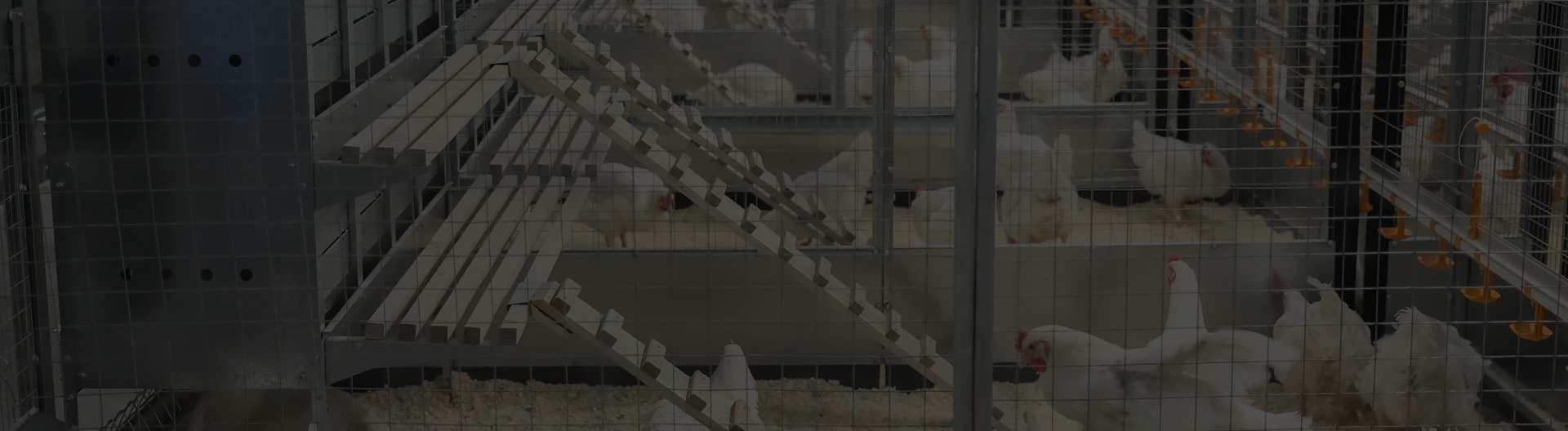
Efficient and Sustainable Cage Solutions for Broiler Chicken Farming
Dec . 01, 2025 08:25 Back to list
Efficient and Sustainable Cage Solutions for Broiler Chicken Farming
Understanding the Cage for Broiler Chicken: A Quick Overview
When we talk about the “cage for broiler chicken,” we are stepping into a crucial segment of modern poultry farming that impacts global food security, animal welfare, and agricultural economics. Broiler chickens are the backbone of the meat poultry sector, and how we house them — especially in cages designed specifically for broilers — has a direct impact on productivity, health standards, and sustainability.
Why does this matter beyond just a farmer’s backyard? Well, with the world population growing exponentially (currently over 8 billion and projected to hit 9.7 billion by 2050 according to the UN), demand for protein-rich foods like chicken is skyrocketing. Efficient, scalable, and welfare-conscious housing solutions like the cage for broiler chicken aren’t just convenient—they're vital to feeding billions.
The Global Context: Why the Cage for Broiler Chicken Matters Now
Broiler poultry production is a massive industry, representing nearly 39% of global meat production (FAO, 2023). Regions like Asia-Pacific and the Americas dominate in growth, but nearly every continent faces challenges related to space optimization, animal welfare standards, and biosecurity risks. The "cage for broiler chicken" concept addresses those by offering controlled, manageable environments for raising birds efficiently.
Here’s the crux: traditional floor rearing demands more space, increases labor, and can harbor diseases if not managed precisely. Cages, by contrast, minimize contact with litter, reduce disease spread, and allow for easier monitoring. But questions about welfare and cage design standards mean the industry is still evolving fast.
What Exactly Is a Cage for Broiler Chicken?
At its core, a cage for broiler chicken is a structured enclosure designed specifically for broilers during their growth cycle. Unlike layers, who benefit from perches and nests, broilers need ample floor space but also require conditions that maximize feed conversion, air quality, and cleanliness.
These cages are made of durable materials such as galvanized steel or high-grade plastics and include design elements that promote airflow, waste control, and ease of access — both for the birds and the workers. In effect, it’s a specialty “housing module” that integrates with feeding and watering systems to streamline operations.
In humanitarian or infrastructure-challenged regions, such housing allows rapid deployment of broiler farming setups, supporting food security in a practical, repeatable way.
Key Features of Cage Systems for Broiler Chickens
1. Durability and Material Quality
Roughly 80% of broiler cages are made from steel alloys or galvanized wire mesh. Why? They have to withstand high humidity, aggressive cleaning cycles, and sometimes chemical disinfectants. You don’t want cages rusting or degrading mid-cycle.
2. Scalability and Modular Design
One big plus of broiler cages is their modular nature. Farmers can expand or shrink operations by adding/removing standardized cages without rebuilding infrastructure. This is key in markets with fluctuating demand.
3. Cost Efficiency
Cages help reduce feed waste and labor costs. Feeding systems integrated with cages minimize spillage, while fewer workers can oversee a larger flock due to better monitoring capabilities.
4. Biosecurity and Cleanliness
The cages elevate birds above bedding, keeping them away from manure and moisture, which slows disease spread. Some designs include sloped floors and automatic manure collection features.
5. Animal Welfare Considerations
Though cages often raise welfare concerns, the trend is moving towards larger cage sizes, enrichment items, and improved ventilation to better meet welfare standards laid out by organizations such as ISO and the World Animal Protection NGO.
A Closer Look: Product Specifications of a Typical Broiler Chicken Cage
| Specification | Details |
|---|---|
| Material | Galvanized Steel Wire Mesh with powder coating |
| Dimensions | 2m (L) x 1m (W) x 0.5m (H) |
| Number of Birds per Cage | 20–25 broilers (depending on size) |
| Ventilation | Open mesh sides for airflow |
| Manure Collection | Removable trays beneath cage |
| Integration | Compatible with automated feeders and drinkers |
Global Use Cases for Broiler Chicken Cages
It’s fascinating how these cages appear across vastly different regions and contexts. Large commercial farms in the U.S. and Europe use them to maintain tight operational timelines. In countries like Brazil and China, where poultry meat consumption is among the highest globally, these cages contribute substantially to efficiency.
Oddly enough, in humanitarian contexts or remote areas — think post-disaster zones in Southeast Asia or arid regions in Africa — portable cage systems enable rapid poultry production after planting or fishing seasons fail. Organizations working on food security deploy these cages to help communities restart sustainable protein sources quickly.
If you want to explore more specialized applications, check out the cage for broiler chicken providers who customize cages to suit climates and regulations regionally.
Advantages of Using Broiler Chicken Cages
- Cost savings: Lower feed waste, labor, and disease treatment costs.
- Enhanced biosecurity: Prevention of pathogen spread creates healthier flocks.
- Animal welfare: Modern cages provide safer environments with less stress and injury.
- Sustainability: Waste collection systems enable more eco-friendly manure management.
- Operational control: Easier monitoring leads to better growth rates and meat quality.
Aside from the usual, there’s a subtle but genuine sense of reassurance when you walk into a well-run broiler cage operation — the birds seem calmer, the staff more confident. It’s a blend of science meeting real-world empathy.
Looking Ahead: Innovations in Broiler Chicken Cages
Technology trends already shaking up poultry housing include smart sensors monitoring temperature and humidity in real-time, automated feeding linked to AI to optimize nutrition per flock needs, and sustainable materials like recycled plastics for cage fabrication.
Green energy plays a role too — many cage farms integrate solar-powered ventilation or waste-to-energy converters. Regulations are pushing for more humane designs, prompting innovations like adjustable cage sizes and enrichment devices.
It feels like we’re at the cusp of a revolution where tradition meets technology in the poultry sector, and cages for broiler chicken will be at the center.
Challenges and Solutions in Using Broiler Chicken Cages
Despite benefits, cages get criticized for restricting natural behavior. Also, upfront costs can be a hurdle for small-scale farmers. Managing waste efficiently and maintaining strict hygiene also require training and diligence.
However, solutions like cage designs with more vertical space, using AI for environmental control, and government subsidies for initial investment are making a difference. Organizations are providing farmer training programs stressing welfare and operational excellence.
Frankly, ongoing development will only improve these cages’ sustainability and acceptance.
FAQ: Your Questions About Cage for Broiler Chicken, Answered
- Q: How do broiler chicken cages improve farm biosecurity?
A: By elevating birds off litter and separating groups efficiently, cages reduce contact with manure and other contaminants, minimizing disease risks and making sanitation easier. - Q: Are these cages adjustable to different broiler sizes or breeds?
A: Yes. Most cage systems offer modular, scalable designs that can be resized or reconfigured to suit different broiler breeds or growth stages, improving comfort and efficiency. - Q: What is the typical lifespan of a galvanized steel broiler cage?
A: With proper maintenance, cages can last 10–15 years even in harsh farm conditions, making them a good long-term investment. - Q: Can small farms benefit economically from adopting broiler cages?
A: Absolutely. Even with initial setup costs, efficiency gains in feed, labor, and health management often turn into lower per-bird costs over time, helping small farms scale profitably. - Q: How do broiler cages fit into sustainable agriculture initiatives?
A: By incorporating better waste management, reducing disease, and enabling resource-efficient feeding, cages align well with sustainable practices promoted by international standards.
Summary: Why Invest in a Cage for Broiler Chicken?
In the end, the cage for broiler chicken represents a fascinating blend of agricultural science, technology, and sustainability. It’s not just about housing—but improving welfare, boosting production, and feeding a rapidly growing world. While challenges remain, ongoing innovations promise an even better future for this staple farming tool.
If you're interested to explore solutions or suppliers, don’t hesitate to visit our website for detailed product information and expert guidance.
Vendor Comparison: Leading Producers of Broiler Chicken Cages
| Vendor | Material Quality | Customization Options | Price Range | Warranty |
|---|---|---|---|---|
| YizeMachine | Premium galvanized steel & coated mesh | Size, ventilation, modular add-ons | $$ - mid range | 5 years |
| AgroCage Solutions | Stainless steel options available | Limited; standard products bulk produced | $$$ - higher range | 7 years |
| FarmPro Equip | Economical steel mesh with coating | Standard sizes, fewer options | $ - budget friendly | 3 years |
References & Final Thoughts
- Food and Agriculture Organization of the United Nations (FAO)
- United Nations Population Division
- International Organization for Standardization (ISO) - Poultry Standards
In the end, these cages aren’t just hardware. They’re the quiet workhorses behind a sustainable poultry future. Investing in the right cage design can make all the difference — for the farmer, for the bird, and for our hungry world.
-
Comprehensive Guide to Plastic Vacuum Packaging Machines: Benefits, Uses & Trends
NewsDec.03,2025
-
Comprehensive Guide to Sausage Vacuum Packaging Machines: Benefits, Uses, and Future Trends
NewsDec.03,2025
-
Vacuum Plastic Packaging Machine - Global Applications, Benefits & Future Trends
NewsDec.03,2025
-
Comprehensive Guide to Sheep Feed Pellet Machine – Benefits, Uses & Future Trends
NewsDec.02,2025
-
Horse Feed Pellet Machine: Essential Guide to Features, Benefits, and Global Applications
NewsDec.02,2025
-
Small Pellet Feed Making Machine: Benefits, Uses & Future Trends | Yize Machine
NewsDec.02,2025





 Afrikaans
 Albanian
 Amharic
 Arabic
 Armenian
 Azerbaijani
 Basque
 Belarusian
 Bengali
 Bosnian
 Bulgarian
 Catalan
 Cebuano
 Corsican
 Croatian
 Czech
Czech
 Danish
 Dutch
Dutch
 Esperanto
 Estonian
 Finnish
 French
 Frisian
 Galician
 Georgian
 German
 Greek
Greek
 Gujarati
 Haitian Creole
 Hausa
Hausa
 Hawaiian
 Hebrew
 Hindi
Hindi
 Miao
Miao
 Hungarian
 Icelandic
 Igbo
Igbo
 Indonesian
 Irish
Irish
 Italian
 Japanese
 Javanese
 Kannada
 Kazakh
 Khmer
Khmer
 Rwandese
 Korean
 Kurdish
 Kyrgyz
 Lao
Lao
 Latin
Latin
 Latvian
 Lithuanian
 Luxembourgish
 Macedonian
 Malgashi
 Malay
Malay
 Malayalam
 Maltese
 Maori
Maori
 Marathi
 Mongolian
 Myanmar
 Nepali
 Norwegian
 Norwegian
 Occitan
 Pashto
 Persian
 Polish
 Portuguese
 Punjabi
 Romanian
 Russian
 Samoan
 Scottish Gaelic
 Serbian
 Sesotho
 Shona
Shona
 Sindhi
 Sinhala
 Slovak
 Slovenian
 Somali
 Spanish
 Sundanese
 Swahili
 Swedish
 Tagalog
 Tajik
Tajik
 Tamil
Tamil
 Tatar
Tatar
 Telugu
 Thai
Thai
 Turkish
 Turkmen
 Ukrainian
 Urdu
Urdu
 Uighur
 Uzbek
Uzbek
 Vietnamese
 Welsh
Welsh
 Bantu
Bantu
 Yiddish
 Yoruba
 English