
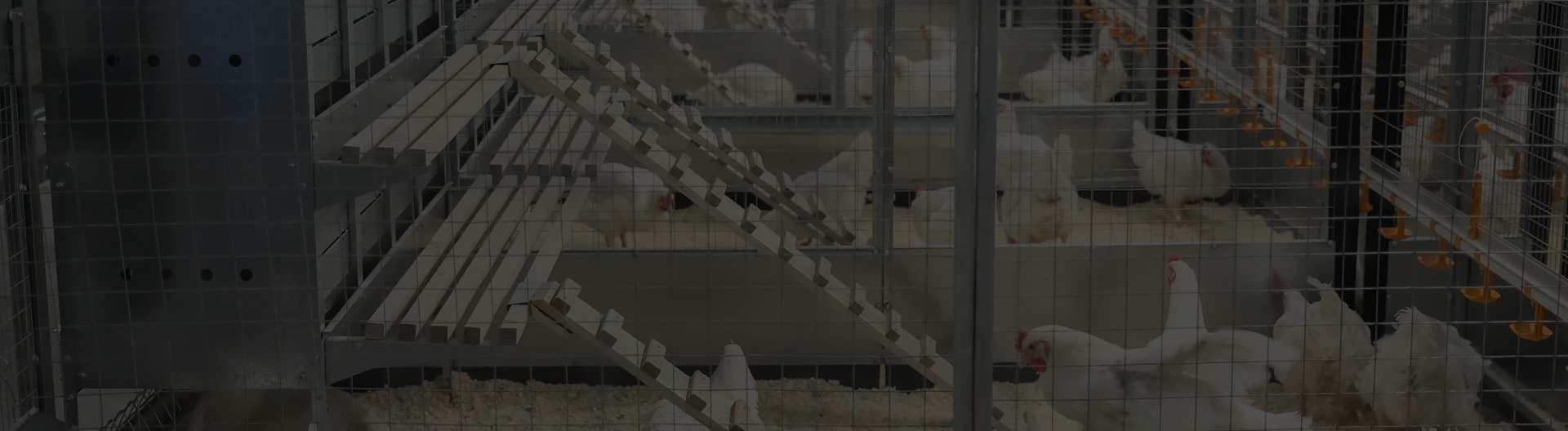
Durable and Efficient Eggs Tray Making Machines for Sustainable Packaging
Nov . 28, 2025 14:25 Back to list
Durable and Efficient Eggs Tray Making Machines for Sustainable Packaging
Understanding the Global Impact of Eggs Tray Making Machines
It’s not every day we stop to think about something as simple as an eggs tray, yet these humble items play a surprisingly vital role in food safety, transportation, and even global trade. The eggs tray making machine is a key piece of technology that keeps this essential product flowing efficiently worldwide. But why does this matter? Well, more than 70 billion eggs are consumed annually worldwide according to FAO statistics, and ensuring each egg survives the journey from farm to table involves clever packaging solutions—and fast, reliable manufacturing equipment.
In a world increasingly focused on sustainability and food security, understanding the machines that produce these trays offers insight into broader industrial and humanitarian challenges. These machines don’t just churn out packaging—they reduce waste, support farmers, and help businesses cut costs.
Mini takeaway: An eggs tray making machine is more than an industrial tool—it’s a silent enabler of food safety and sustainability on a global scale.
The Big Picture: Why Eggs Tray Making Machines Matter Globally
Egg production and distribution is a massive sector, and yet fragile eggs need protection from cracking during transit—a $14 billion problem according to some industry reports. Enter the eggs tray making machine, which automates the formation of molded pulp trays that cradle eggs safely.
From emerging markets in Southeast Asia to large-scale farms in Europe and humanitarian agencies in Africa, these machines are critical for mass production. The UN’s Food and Agriculture Organization highlights how reducing food packaging waste is a priority—and eggs trays, often made from recycled paper, fit this agenda perfectly.
But here’s the catch: traditional manual tray making can’t keep up with demand. In many regions, poor packaging directly leads to high spoilage rates. This machine technology steps in as a game changer, increasing throughput, reducing labor costs, and improving tray consistency.
What Exactly Is an Eggs Tray Making Machine?
If you’re picturing a simple press, think again—it’s a bit more sophisticated. An eggs tray making machine automates the process of forming pallets that hold eggs, usually made from recycled pulp, paper, or even biodegradable materials. The machine involves molding, drying, and finishing steps to transform raw pulp into sturdy, stackable egg trays.
In modern manufacturing and humanitarian settings, these machines help meet surging packaging demands quickly, especially in supply chains where manual labor costs are high or manufacturing needs to scale fast.
Core Features That Make These Machines Tick
1. Durability and Material Quality Control
The machines must ensure each tray is durable enough to protect eggs yet lightweight. Many systems include moisture control and pulp consistency regulators to maintain quality—even as operators run thousands of trays per day.
2. Production Speed and Scalability
With industrial demand soaring, speed matters. Some models can produce over 1,500 trays per hour. Plus, modular designs let plants upscale operations with multiple machines running in tandem.
3. Energy Efficiency
Given the drying phase consumes a lot of power, newer machines integrate more efficient dryers or vacuum systems, reducing energy costs and carbon footprints.
4. Automation and User-Friendliness
Many machines offer PLC control panels and automatic feeding systems, which means less manual supervision, fewer errors, and better overall output consistency.
5. Cost-Effectiveness in Maintenance & Operation
Operators appreciate machines with easy-to-access parts and standard components. When downtime strikes, quick fixes matter to keep production humming.
Quick Product Specifications
| Feature | Typical Range | Notes |
|---|---|---|
| Production Capacity | 800-1500 trays/hour | Varies by model and pulp consistency |
| Power Consumption | 7-12 kW | Includes drying unit |
| Machine Weight | 2000-3500 kg | Depends on frame and accessories |
| Tray Size | Standard: 30 eggs per tray | Customization optional |
Who’s Using These Machines and How?
In practice, eggs tray making machines have transformed packaging worldwide. For example:
- Southeast Asia: Smallholder farmers and egg distributors depend on affordable, locally produced trays to reduce egg breakage and loss.
- Europe: Large-scale poultry farms and packaging manufacturers use automated lines to meet strict hygiene and sustainability standards.
- Africa: NGOs involved in food aid use these machines to provide protective packaging in remote areas, ensuring relief eggs reach those in need intact.
- Latin America: Exporters rely on high-output machines combined with eco-friendly materials to compete in global markets.
Oddly enough, not all regions had easy access to such automation even five years ago—which meant high manual labor costs or high waste percentages. Now, with machines becoming more affordable, the market is catching up fast.
The Advantages and Lasting Value
What strikes many engineers is how this technology blends simplicity with impact. You get:
- Cost savings: Less breakage equals less waste plus lower costs for replacements.
- Sustainability: Trays often use recycled materials and biodegrade, backing the circular economy.
- Safety and dignity: Reliable packaging means eggs arrive fresh—essential for consumer trust and health.
- Job creation: While the machines automate production, local businesses often run the plants, boosting employment.
Frankly, it's a win-win that feels kind of underappreciated at times.
Innovations on the Horizon
Interesting things are afoot. Some manufacturers are integrating IoT sensors to monitor machine health remotely and optimize uptime. Others focus on alternative materials—like plant-based fibers or algae-infused pulp—to push sustainability further.
Energy-wise, solarpowered drying systems and heat recovery technologies are being trialed to reduce environmental footprints. Digital transformation means systems can now better tailor tray molds, improving egg fit and using less raw material.
Challenges and Smart Fixes
Despite progress, challenges persist. High initial costs put some machines out of reach for smaller players. Also, inconsistent pulp quality can jam machines or reduce tray strength.
One promising approach involves modular system design allowing incremental investment. Plus, training programs and partnerships with fiber supply chains help improve material consistency, ensuring machines operate smoothly.
Vendor Comparison Snapshot
| Vendor | Max Capacity (trays/hr) | Energy Use (kW) | Automation Level | Starting Price |
|---|---|---|---|---|
| Yize Machinery | 1500 | 10 | High (PLC controlled) | $45,000 |
| EcoPack Solutions | 1200 | 8 | Medium (semi-automated) | $38,000 |
| GreenMold Tech | 1000 | 7 | Basic (manual input) | $30,000 |
Frequently Asked Questions About Eggs Tray Making Machines
- How long does it take to set up an eggs tray making machine?
- Typically, installation and commissioning take 1 to 3 days depending on the model and site preparation. Operators usually get short training sessions to handle basic maintenance efficiently.
- Can these machines produce trays of custom sizes?
- Yes, many manufacturers offer customizable molds to produce different tray sizes or shapes, catering to regional needs or varying egg packaging standards.
- What materials can be used with these machines?
- Primarily recycled paper pulp is used due to cost and biodegradability, but there’s growing experimentation with alternative fibers like bamboo, bagasse, or agricultural waste.
- Are eggs tray making machines energy-intensive?
- The drying phase consumes the bulk of power, but newer machines incorporate energy-saving technologies. Overall, energy costs are reasonable relative to output volume.
- Where can I find reliable suppliers for these machines?
- Suppliers like Yize Machinery have good international reputations. It’s essential to verify warranty terms and local support availability when purchasing globally.
Final Thoughts: Why Investing in Eggs Tray Making Machines Makes Sense
Looking at it all, the importance of eggs tray making machines doesn't just lie in their production numbers or prices—though these factors matter a lot. It's the subtle ripple effect: better packaging means less food loss, happier consumers, reduced environmental harm, and stronger local economies. This is especially true in areas vulnerable to supply chain disruptions or natural disasters.
If you want to get a closer look or even start upgrading your packing line, I highly recommend visiting Yize Machinery. Their solutions balance innovation and reliability—two must-haves in this industry.
So, while an eggs tray maker might not be headline news, its impact is quietly powerful, feeding communities and supporting sustainability quietly, one carton at a time.
1. Food and Agriculture Organization (FAO) - Egg production data.
2. United Nations Environmental Program – Sustainable packaging reports.
3. ISO Standards for recycled pulp packaging materials.
-
Comprehensive Guide to Plastic Vacuum Packaging Machines: Benefits, Uses & Trends
NewsDec.03,2025
-
Comprehensive Guide to Sausage Vacuum Packaging Machines: Benefits, Uses, and Future Trends
NewsDec.03,2025
-
Vacuum Plastic Packaging Machine - Global Applications, Benefits & Future Trends
NewsDec.03,2025
-
Comprehensive Guide to Sheep Feed Pellet Machine – Benefits, Uses & Future Trends
NewsDec.02,2025
-
Horse Feed Pellet Machine: Essential Guide to Features, Benefits, and Global Applications
NewsDec.02,2025
-
Small Pellet Feed Making Machine: Benefits, Uses & Future Trends | Yize Machine
NewsDec.02,2025





 Afrikaans
 Albanian
 Amharic
 Arabic
 Armenian
 Azerbaijani
 Basque
 Belarusian
 Bengali
 Bosnian
 Bulgarian
 Catalan
 Cebuano
 Corsican
 Croatian
 Czech
Czech
 Danish
 Dutch
Dutch
 Esperanto
 Estonian
 Finnish
 French
 Frisian
 Galician
 Georgian
 German
 Greek
Greek
 Gujarati
 Haitian Creole
 Hausa
Hausa
 Hawaiian
 Hebrew
 Hindi
Hindi
 Miao
Miao
 Hungarian
 Icelandic
 Igbo
Igbo
 Indonesian
 Irish
Irish
 Italian
 Japanese
 Javanese
 Kannada
 Kazakh
 Khmer
Khmer
 Rwandese
 Korean
 Kurdish
 Kyrgyz
 Lao
Lao
 Latin
Latin
 Latvian
 Lithuanian
 Luxembourgish
 Macedonian
 Malgashi
 Malay
Malay
 Malayalam
 Maltese
 Maori
Maori
 Marathi
 Mongolian
 Myanmar
 Nepali
 Norwegian
 Norwegian
 Occitan
 Pashto
 Persian
 Polish
 Portuguese
 Punjabi
 Romanian
 Russian
 Samoan
 Scottish Gaelic
 Serbian
 Sesotho
 Shona
Shona
 Sindhi
 Sinhala
 Slovak
 Slovenian
 Somali
 Spanish
 Sundanese
 Swahili
 Swedish
 Tagalog
 Tajik
Tajik
 Tamil
Tamil
 Tatar
Tatar
 Telugu
 Thai
Thai
 Turkish
 Turkmen
 Ukrainian
 Urdu
Urdu
 Uighur
 Uzbek
Uzbek
 Vietnamese
 Welsh
Welsh
 Bantu
Bantu
 Yiddish
 Yoruba
 English