
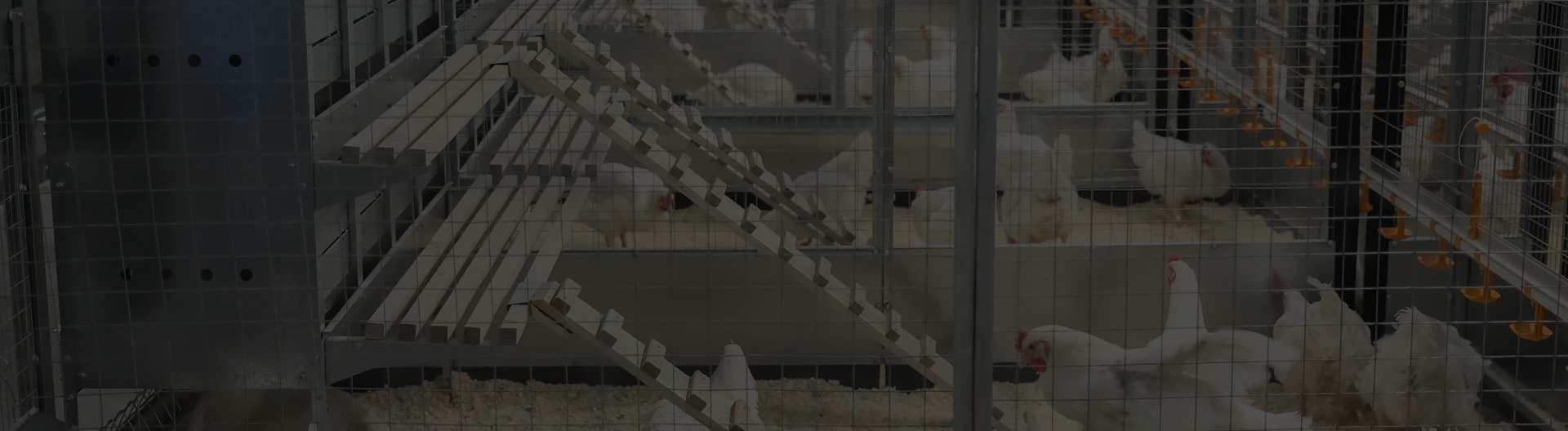
Comprehensive Guide to Chicken Layer Battery Cages – Design, Benefits & Trends
Nov . 27, 2025 08:05 Back to list
Comprehensive Guide to Chicken Layer Battery Cages – Design, Benefits & Trends
The Lowdown on Chicken Layer Battery Cages: Why They Matter More Than You Think
At first glance, “chicken layer battery cage” might sound like some clunky industrial term best left to factory farmers and agribusiness types. But here’s the kicker—it plays a surprisingly huge role in global food supply, welfare standards, and economic livelihoods worldwide. Understanding this system gives insight into how millions of eggs reach our tables and what challenges the poultry sector juggles daily. Plus, if you’re in the agri-business or animal husbandry realm, knowing about chicken layer battery cage systems is sort of non-negotiable.
Setting the Stage: The Global Context of Chicken Layer Battery Cages
Egg consumption has tripled in the last 50 years, according to the UN’s Food and Agriculture Organization (FAO), largely due to population growth and rising protein demand. To meet this, the poultry industry leans heavily on efficient housing solutions. Chicken layer battery cages have become a backbone for commercial egg production worldwide — about 70% of global commercial layers are kept in this system, especially in Asia and Europe.
But at the same time, growing public awareness of animal welfare and environmental sustainability throws a challenge in the mix. How do you balance productivity with humane treatment? And that’s precisely what modern battery cage designs, emerging regulations, and technological improvements are trying to solve.
Mini takeaway: Chicken layer battery cages are at the crossroads of efficiency and ethics in a vast and evolving global egg industry.
What Exactly Is a Chicken Layer Battery Cage?
In the simplest terms, a chicken layer battery cage is a system of small individual or group cages arranged in rows and stacked. This confines hens for laying eggs in a controlled environment. The term “battery” means a set or series—that’s why you see rows and tiers. It optimizes space, feeding, watering, egg collection, and sanitation. These cages are usually made of galvanized steel wire mesh and equipped with automated feeding and watering integrations.
While it feels intensive, battery cage systems connect strongly to the modern demand for large-scale, consistent egg production that feeds millions daily—without sprawling farm land.
Core Features That Define Modern Chicken Layer Battery Cages
1. Durability and Material Quality
The cages are mostly made from galvanized or stainless steel wire to resist corrosion, given the moist and soiled environment. This durability means longevity with minimal maintenance—which frankly saves farmers a lot of headaches and replacement costs.
2. Space Optimization & Scalability
Design-wise, these cages stack vertically and horizontally to maximize floor footprint. It’s not just about cramming birds but making each layer accessible for feed, water, and egg collection systems—kind of an architectural puzzle for poultry houses.
3. Automated Feeding and Watering Systems
Most setups now integrate automatic feeders, nipple drinkers, and sometimes climate controls to keep hens healthy and productive with minimal manual labor input.
4. Sanitation & Waste Management
Cages allow droppings to fall through mesh floors onto conveyor belts or manure pits below, simplifying cleaning. This improves hygienic conditions and reduces disease spread.
5. Cost Efficiency
At scale, these systems are cost-friendly compared to free-range or cage-free alternatives. They optimize labor and energy, though welfare debates have led to incremental cost increases in some regions.
6. Compliance and Welfare Adaptations
Newer cage designs attempt to comply with welfare standards (like the EU’s ban on conventional battery cages from 2012) by increasing cage size and including perches or nesting areas.
Mini takeaway:
The chicken layer battery cage isn’t just metal and wires; it’s a finely tuned system balancing durability, productivity, welfare, and cost.
How Are Chicken Layer Battery Cages Used Around the Globe?
From industrial farms in China to poultry operations in Brazil, chicken layer battery cages serve as the backbone of commercial egg production. Asia tends to emphasize high-density systems, while Europe pushes for welfare-enhanced cages or enriched cages that improve hen quality of life.
In developing parts of Africa, battery cages are a leap forward for smallholders—boosting egg output and incomes with relatively low capital investment. Meanwhile, disaster relief organizations sometimes deploy mobile or rapid-install cages to help communities re-establish livestock quickly after crises.
In industrial zones, such as those in the U.S. and EU, these cages also integrate IoT sensors to digitally monitor hen health, feed consumption, and egg production parameters in real time.
Table 1: Key Specifications of a Typical Chicken Layer Battery Cage System
| Specification | Details |
|---|---|
| Material | Galvanized steel wire mesh with PVC coating |
| Dimensions (per cage) | 50cm x 45cm x 40cm (length x width x height) |
| Capacity | 3–5 hens per cage |
| Layers per Battery | 3–5 tiers |
| Feeding System | Automated trough feeding |
| Water Supply | Nipple drinkers with water lines |
| Drainage/Waste Management | Grated floors with manure belts |
Why Chicken Layer Battery Cages Offer Long-Term Value
Frankly, when you look at chicken layer battery cages through both emotional and practical lenses, their value becomes pretty clear:
- Cost-Effectiveness: Lower feed waste and labor costs translate to more affordable eggs.
- Consistency and Reliability: Predictable egg production schedules help stabilize supply chains.
- Sustainability Potential: Modern cages reduce disease risk so fewer antibiotics are needed—helping combat resistance.
- Safety & Welfare: New designs add behavioral enrichments (perches, dust baths), which improve hen well-being.
- Smallholder Empowerment: In emerging markets, these cages often become the base of poultry micro-enterprises that transform communities.
In real terms, while cages are controversial ethically, cutting-edge battery cage systems are attempting to blend innovation with compassion—something many farmers and consumers are eager to see.
Looking Ahead: The Future of Chicken Layer Battery Cages
Sustainability and digital tech are the buzzwords pushing the future of these cages. Expect:
- Green Energy Integration: Solar-powered ventilation and automated systems cutting carbon footprints.
- Smart Monitoring: Sensors tracking hen health, egg production, and even emotional state via AI analysis.
- Advanced Materials: Lightweight, corrosion-resistant coatings and plastics for easier cleaning and longer lifespan.
- Improved Welfare Designs: Larger cages with natural light and more space—possibly hybrid models mixing free-range incentives with cage efficiency.
It's odd in some ways, because even as free-range eggs gain popularity, battery cages won't disappear any time soon—they just have to evolve faster.
Challenges Facing Chicken Layer Battery Cages—And How to Tackle Them
Despite the benefits, criticism is real: cramped spaces, welfare concerns, regulatory restrictions, and initial setup costs haunt the system’s reputation. Practical solutions floating around include:
- Increasing cage size and adding enrichments to improve welfare standards.
- Investing in automation to reduce labor pressure and improve uniform care.
- Using modular designs for easy upgrades and expansion.
- Exploring materials that reduce sharp edges and injuries.
Farmers who are early adopters of welfare-sensitive cages often report better flock health and higher egg quality—a message that’s slowly helping change minds.
FAQ: Quick Answers About Chicken Layer Battery Cages
- Q1: How do chicken layer battery cages improve egg production efficiency?
- A1: By tightly organizing hens in optimized spaces with automated feeding and watering, these cages reduce waste and labor, enabling higher egg output per square meter compared to free-range systems.
- Q2: Are battery cages humane compared to other methods?
- A2: This depends on design and management. Modern enriched battery cages with perches and larger space comply better with welfare standards, though debates continue regarding cage-free alternatives.
- Q3: What’s the typical lifespan of a battery cage system?
- A3: High-quality galvanized steel cages often last 10–15 years with proper maintenance, making them a long-term investment for commercial farms.
- Q4: Can small farmers adopt chicken layer battery cage systems?
- A4: Yes, many modular cage systems are scalable and affordable, allowing smallholders to boost production sustainably.
- Q5: How do regulations affect the use of battery cages?
- A5: Regions like the EU have banned conventional cages and now require enriched cage systems with better welfare features—this is prompting design innovation globally.
Comparing Leading Vendors: What to Look For
| Vendor | Material Quality | Automation Level | Welfare Features | Price Range |
|---|---|---|---|---|
| YizeMachine | Galvanized steel with PVC coating | Fully automated feeding and watering | Enriched cages with perches and dust baths | $$$ |
| AgriCage Co. | Standard galvanized steel | Semi-automatic feed system | Conventional cages only | $$ |
| PoultryTech | Stainless steel with anti-rust treatment | Integrated IoT and sensor monitoring | Hybrid cage designs | $$$$ |
Wrapping It Up: Why Chicken Layer Battery Cages Are Here to Stay
So, to circle back, chicken layer battery cages are not some outdated relic; rather, they’re evolving systems that tackle real-world challenges in food production, animal welfare, and economic scalability. If anything, their future is tied deeply to innovation in sustainability, digital farming, and humane animal treatment. For producers wanting reliability with a nod to ethics, this technology is a critical part of their toolkit.
If this article got you curious and you want to explore truly advanced, welfare-oriented chicken layer battery cage solutions, do explore offerings like those from YizeMachine. They blend innovation with practical needs for modern poultry farming.
References & Further Reading
-
Comprehensive Guide to Plastic Vacuum Packaging Machines: Benefits, Uses & Trends
NewsDec.03,2025
-
Comprehensive Guide to Sausage Vacuum Packaging Machines: Benefits, Uses, and Future Trends
NewsDec.03,2025
-
Vacuum Plastic Packaging Machine - Global Applications, Benefits & Future Trends
NewsDec.03,2025
-
Comprehensive Guide to Sheep Feed Pellet Machine – Benefits, Uses & Future Trends
NewsDec.02,2025
-
Horse Feed Pellet Machine: Essential Guide to Features, Benefits, and Global Applications
NewsDec.02,2025
-
Small Pellet Feed Making Machine: Benefits, Uses & Future Trends | Yize Machine
NewsDec.02,2025





 Afrikaans
 Albanian
 Amharic
 Arabic
 Armenian
 Azerbaijani
 Basque
 Belarusian
 Bengali
 Bosnian
 Bulgarian
 Catalan
 Cebuano
 Corsican
 Croatian
 Czech
Czech
 Danish
 Dutch
Dutch
 Esperanto
 Estonian
 Finnish
 French
 Frisian
 Galician
 Georgian
 German
 Greek
Greek
 Gujarati
 Haitian Creole
 Hausa
Hausa
 Hawaiian
 Hebrew
 Hindi
Hindi
 Miao
Miao
 Hungarian
 Icelandic
 Igbo
Igbo
 Indonesian
 Irish
Irish
 Italian
 Japanese
 Javanese
 Kannada
 Kazakh
 Khmer
Khmer
 Rwandese
 Korean
 Kurdish
 Kyrgyz
 Lao
Lao
 Latin
Latin
 Latvian
 Lithuanian
 Luxembourgish
 Macedonian
 Malgashi
 Malay
Malay
 Malayalam
 Maltese
 Maori
Maori
 Marathi
 Mongolian
 Myanmar
 Nepali
 Norwegian
 Norwegian
 Occitan
 Pashto
 Persian
 Polish
 Portuguese
 Punjabi
 Romanian
 Russian
 Samoan
 Scottish Gaelic
 Serbian
 Sesotho
 Shona
Shona
 Sindhi
 Sinhala
 Slovak
 Slovenian
 Somali
 Spanish
 Sundanese
 Swahili
 Swedish
 Tagalog
 Tajik
Tajik
 Tamil
Tamil
 Tatar
Tatar
 Telugu
 Thai
Thai
 Turkish
 Turkmen
 Ukrainian
 Urdu
Urdu
 Uighur
 Uzbek
Uzbek
 Vietnamese
 Welsh
Welsh
 Bantu
Bantu
 Yiddish
 Yoruba
 English