
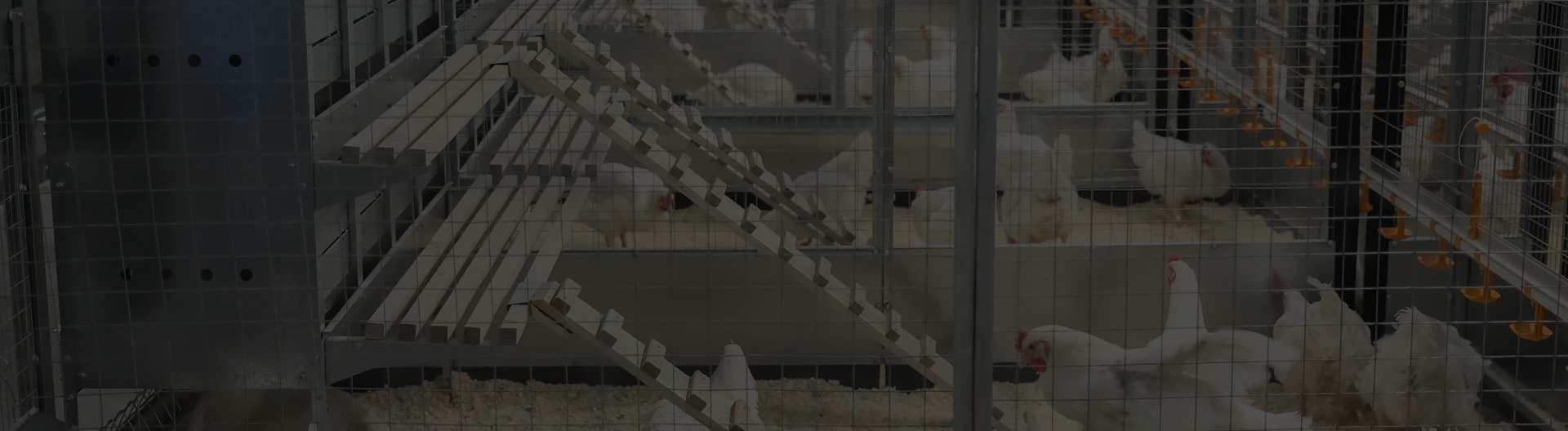
Comprehensive Guide to Broiler Cages for Modern Poultry Farming
Nov . 30, 2025 16:10 Back to list
Comprehensive Guide to Broiler Cages for Modern Poultry Farming
Understanding Broiler Cages: Why They Matter in Global Poultry Production
Broiler cages—those sturdy, often unnoticed fixtures in poultry farming—play a pivotal role in how the world produces chicken meat efficiently and sustainably. As global demand for affordable protein rises (the UN Food and Agriculture Organization notes poultry accounts for over 35% of global meat production), understanding broiler cages isn’t just about farming anymore. It’s about food security, economic livelihoods, and environmental responsibility on a massive scale.
Why this focus? Because broiler cages represent a mix of engineering, biology, and supply chain know-how that directly impacts millions of households, farmer incomes, and even the environment. So let’s unravel what broiler cages are, what makes them vital—and where this industry is headed.
The Worldwide Importance of Broiler Cages
Globally, the poultry sector is a huge employer and economic engine. The World Bank estimates millions of smallholders and commercial farms rely on broiler production as a primary income source. Efficient cage systems help reduce feed waste, improve bird health, and increase output — all critical in feeding growing urban populations in Asia, Africa, and Latin America.
Yet, challenges remain. Disease control, animal welfare, and sustainability concerns often collide with production needs. Broiler cages help by providing controlled environments, but the designs and materials must evolve to meet environmental standards and consumer expectations on humane treatment. Governments and NGOs increasingly focus on improving farm systems, showcasing the relevance of broiler cages beyond just “holding chickens.”
Mini Takeaway:
- Broiler cages are central to efficient global poultry supply chains — especially in developing regions.
- Increasing demand and sustainability pressures are driving innovation in cage design.
What Exactly Are Broiler Cages?
Simply put, broiler cages are enclosures designed specifically to house broiler chickens—those raised primarily for meat—in a way that optimizes space, health, and growth. Unlike traditional free-range setups, these cages allow farmers to keep birds in controlled, stackable units, often indoors, improving feed conversion rates and simplifying management.
Think of broiler cages as modular 'apartments' for chickens, engineered to maximize floor space while maintaining ventilation, hygiene, and access to food and water. They’re integral to modern industrial poultry farming but also find use in medium-scale operations adapting to market demands.
Mini Takeaway:
- Broiler cages are specialized containment systems for meat chickens.
- They balance animal welfare, operational efficiency, and biosecurity.
Key Factors Behind Effective Broiler Cage Design
Durability and Material Choice
Because broiler cages are exposed to moisture, waste, and constant use, their materials need to withstand corrosion and wear. Galvanized steel and coated wire mesh are common choices. Some manufacturers now use composite plastics or stainless steel for easier cleaning and longer lifespans.
Scalability and Modularity
A good broiler cage system allows farms to easily add or rearrange units according to demand. Modular designs let operators scale from small pilot operations to multi-thousand bird setups without redesigning infrastructure.
Animal Welfare Considerations
With tighter regulations worldwide, cages must balance density with enough space for birds to move, stretch, and access clean feeding lines. Ingenious ventilation and lighting controls also help reduce stress and improve growth.
Cost Efficiency
Farmers weigh upfront cage costs against long-term benefits like reduced feed wastage and lower mortality rates. Reliable, easy-to-clean designs reduce labor and veterinary expenses.
Automation Readiness
More farms are integrating sensors, automated feeders, and waste removal systems—so broiler cages need to support such tech without sacrificing durability.
Mini Takeaway:
- Material integrity and ease of cleaning impact lifespan and operation cost.
- Scalable, welfare-conscious designs are becoming a norm.
- Automation compatibility is an emerging expectation.
Where Do Broiler Cages Come Into Play Globally?
Broiler cages find use almost everywhere poultry is produced on a commercial scale, but with some interesting geographical nuances:
- Asia: Countries like China and India are expanding cage poultry farming to meet urban demand while juggling space constraints.
- Africa: Small-scale broiler cage projects help rural farmers access markets with higher-quality meat.
- Europe: Stricter animal welfare laws mean broiler cages here often incorporate enriched designs for better living conditions.
- Latin America: Large export-oriented poultry farms use broiler cages extensively for volume production.
In remote or disaster-affected areas, such as some parts of Southeast Asia, broiler cages enable quick restocking of poultry as part of food security projects. Efficient cage systems there help NGOs introduce sustainable livelihoods fast.
Mini Takeaway:
- Diverse environments and regulations shape broiler cage deployment worldwide.
- In crisis zones, broiler cages support rapid recovery and sustained nutrition.
Advantages That Keep Broiler Cages in Demand
Why do farms choose broiler cages? It’s not just tradition or fancy tech—there are real, measurable benefits:
- Improved Feed Conversion: Birds in cages waste less feed, lowering costs.
- Better Disease Control: Containment means faster detection and isolation of sickness.
- Space Optimization: Vertical stacking means more birds per square meter without crowding.
- Labor Efficiency: Easier cleaning and management reduce operating time.
- Sustainability: Less wastage and better manure handling lower environmental impacts.
On an emotional level, knowing the poultry is raised in a hygienic, controlled environment boosts consumer confidence. It’s also a point of pride for farmers who invest in modern, humane systems.
Broiler Cage Specification Table
| Feature | Specification | Benefit |
|---|---|---|
| Material | Galvanized steel wire mesh | Corrosion resistance, durability |
| Dimensions | 100cm L x 60cm W x 50cm H per unit | Optimized for broiler size and stacking |
| Weight Capacity | Up to 15kg live weight per bird | Supports full growth cycle |
| Cleaning Method | High-pressure washing | Maintains hygiene, reduces disease risk |
| Feeding System | Automated or manual feed troughs | Feed efficiency, labor savings |
Comparing Broiler Cage Vendors
| Vendor | Material Quality | Price Range | Customization | Support & Warranty |
|---|---|---|---|---|
| FarmGear Inc. | High-grade galvanized steel | $$$ | Full modular options | 5-year warranty, 24/7 support |
| Poultry Solutions Ltd. | Standard galvanized wire | $$ | Fixed designs | 3-year warranty, business hours only |
| EcoCage Systems | Composite plastic and steel hybrid | $$$ | Custom sizes & automation ready | 4-year warranty, remote support |
Looking Ahead: Innovations in Broiler Cage Technology
With a climate crisis looming and consumers pushing for ethical production, broiler cages aren’t static. The future points to greener materials like recycled composites, solar-powered ventilation, and IoT-enabled sensors tracking bird health in real time. Imagine farms optimizing every watt of energy and every drop of water, cutting waste while improving cage conditions.
Additionally, modular designs increasingly support integrated feeding and waste management automation—reducing labor costs and environmental footprints simultaneously.
Addressing Challenges and Finding Solutions
Of course, broiler cages aren’t perfect. High-density setups sometimes spur welfare concerns, not to mention disease risks if hygiene slips. Cost barriers may also deter smaller farms from adopting advanced cages. But innovations, like enriched cages providing perches or better flooring, offer humane alternatives. Community loan programs and NGO initiatives help smallholders access modern systems.
Engineering fresh coatings that resist biofilm build-up and bacterial colonization can also mitigate disease risks. It's a field moving fast — and it’s exciting to watch.
FAQ: Your Broiler Cage Questions Answered
Q1: How do broiler cages improve poultry farm productivity?
A1: By organizing birds in controlled spaces, broiler cages cut feed wastage, reduce disease transmission, and enable better growth tracking. This leads to improved feed conversion ratios and more predictable meat production cycles.
Q2: Are broiler cages suitable for small-scale farmers?
A2: Yes, many modular cage designs scale from smallholder farms up to commercial operations, making them adaptable. Smaller farmers benefit from easier disease control and management, though initial investment cost can be a hurdle.
Q3: Can broiler cages be environmentally sustainable?
A3: Absolutely. Modern cages integrate waste collection systems, improve space efficiency, and use recyclable materials, all lowering environmental impacts compared to traditional free-range or floor systems.
Q4: How do broiler cages affect animal welfare?
A4: Welfare depends on cage design. Adequate space, ventilation, and enrichment reduce stress and injury. Policymakers are pushing for higher welfare standards that cage manufacturers must integrate.
Q5: What maintenance do broiler cages require?
A5: Routine cleaning via high-pressure washing, regular checks for corrosion, and inspection of feeding/water systems are essential. Automating these tasks helps ensure bird health and cage longevity.
Wrapping Up: Why Broiler Cages Still Matter
In the end, broiler cages are more than metal frames—they’re vital tools shaping how we meet protein needs around the world safely, efficiently, and ethically. As the industry innovates, these systems will only grow smarter, greener, and more humane. For anyone in poultry farming or agri-tech, keeping an eye on broiler cage trends offers fascinating insight into the future of food production.
Ready to explore high-quality broiler cages or upgrade your poultry operation? Visit our website for detailed specs, custom solutions, and expert support.
Final Mini Takeaway:
- Broiler cages balance animal welfare, economic efficiency, and sustainability.
- Global adoption is rising with technology and policy shifts driving innovation.
- Understanding their design and benefits is key for modern poultry farming success.
References
-
Comprehensive Guide to Plastic Vacuum Packaging Machines: Benefits, Uses & Trends
NewsDec.03,2025
-
Comprehensive Guide to Sausage Vacuum Packaging Machines: Benefits, Uses, and Future Trends
NewsDec.03,2025
-
Vacuum Plastic Packaging Machine - Global Applications, Benefits & Future Trends
NewsDec.03,2025
-
Comprehensive Guide to Sheep Feed Pellet Machine – Benefits, Uses & Future Trends
NewsDec.02,2025
-
Horse Feed Pellet Machine: Essential Guide to Features, Benefits, and Global Applications
NewsDec.02,2025
-
Small Pellet Feed Making Machine: Benefits, Uses & Future Trends | Yize Machine
NewsDec.02,2025





 Afrikaans
 Albanian
 Amharic
 Arabic
 Armenian
 Azerbaijani
 Basque
 Belarusian
 Bengali
 Bosnian
 Bulgarian
 Catalan
 Cebuano
 Corsican
 Croatian
 Czech
Czech
 Danish
 Dutch
Dutch
 Esperanto
 Estonian
 Finnish
 French
 Frisian
 Galician
 Georgian
 German
 Greek
Greek
 Gujarati
 Haitian Creole
 Hausa
Hausa
 Hawaiian
 Hebrew
 Hindi
Hindi
 Miao
Miao
 Hungarian
 Icelandic
 Igbo
Igbo
 Indonesian
 Irish
Irish
 Italian
 Japanese
 Javanese
 Kannada
 Kazakh
 Khmer
Khmer
 Rwandese
 Korean
 Kurdish
 Kyrgyz
 Lao
Lao
 Latin
Latin
 Latvian
 Lithuanian
 Luxembourgish
 Macedonian
 Malgashi
 Malay
Malay
 Malayalam
 Maltese
 Maori
Maori
 Marathi
 Mongolian
 Myanmar
 Nepali
 Norwegian
 Norwegian
 Occitan
 Pashto
 Persian
 Polish
 Portuguese
 Punjabi
 Romanian
 Russian
 Samoan
 Scottish Gaelic
 Serbian
 Sesotho
 Shona
Shona
 Sindhi
 Sinhala
 Slovak
 Slovenian
 Somali
 Spanish
 Sundanese
 Swahili
 Swedish
 Tagalog
 Tajik
Tajik
 Tamil
Tamil
 Tatar
Tatar
 Telugu
 Thai
Thai
 Turkish
 Turkmen
 Ukrainian
 Urdu
Urdu
 Uighur
 Uzbek
Uzbek
 Vietnamese
 Welsh
Welsh
 Bantu
Bantu
 Yiddish
 Yoruba
 English