
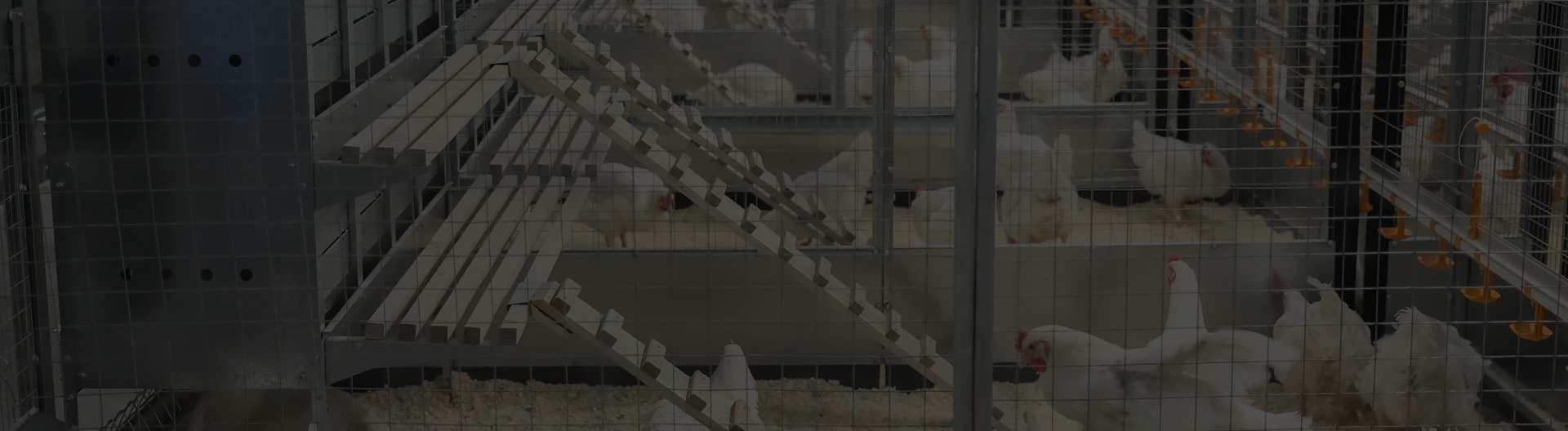
Broiler Rearing Cage: Efficient Solutions for Modern Poultry Farming
Nov . 30, 2025 17:45 Back to list
Broiler Rearing Cage: Efficient Solutions for Modern Poultry Farming
Understanding Broiler Rearing Cages: Why They Matter Globally
Broiler rearing cages might sound niche, but they’re a quietly critical part of global food supply chains — especially considering poultry accounts for more than 35% of the world’s meat consumption according to the FAO. These cages, designed specifically for raising broiler chickens efficiently and humanely, are key to feeding growing populations, ensuring food security, and enhancing farm productivity. When you dive into why they matter, it’s not just about cages — it’s about sustainability, scalability, animal welfare, and ultimately, innovation in farming.
In real terms, understanding broiler rearing cages means grasping how farming has evolved to meet the challenges of land scarcity, rising demand, and climate pressures. And while it may feel technical at first, their design and deployment could shape the agricultural landscapes of the future.
Mini takeaway: Broiler rearing cages are critical enablers of modern poultry farming, balancing efficiency with growing concerns over food security and animal welfare.
Broiler Rearing Cages in a Global Context: A Growing Necessity
The global poultry market is booming. The World Bank reports poultry meat production increased by roughly 75 million tons from 2000 to 2020 — an explosive growth fueled by urbanization and income gains worldwide. However, this surge brings challenges like higher environmental impacts, animal stress, and disease control. Broiler rearing cages are emerging as practical solutions by optimizing space and improving management practices.
Why is this important? Because efficiency matters not just for economics but for sustainability. Controlled environments in these cages reduce waste, improve feed conversion rates, and minimize disease outbreaks — all crucial for meeting the United Nations’ Sustainable Development Goal 2: zero hunger.
Mini takeaway: Broiler rearing cages address global challenges by supporting intensive, sustainable poultry production that aligns with international food security goals.
What Exactly Is a Broiler Rearing Cage?
Simply put, a broiler rearing cage is a specially designed enclosure that houses broiler chickens through their growth phases, typically from day-old chicks to market weight around 6–7 weeks. Unlike traditional floor rearing, cages elevate birds off the ground providing better hygiene, easier waste collection, and controlled feeding.
These cages are often part of integrated farming systems where automation and environmental controls (like ventilation and lighting) are synchronized to enhance growth rates and welfare standards. They connect the dots between modern animal agriculture demands and humanitarian needs — namely, feeding more people with less land and fewer resources.
Mini takeaway: Broiler rearing cages offer a compact, hygienic, and efficient environment tailored to modern poultry farming's demands.
Key Components and What Makes Broiler Rearing Cages Tick
1. Durability
The materials used — often galvanized steel or high-grade plastics — have to stand up to moisture, corrosion, and daily cleaning without fear of rust or decay. Durability impacts not just lifespan but also biosecurity.
2. Ventilation and Climate Control
Good cages integrate ventilation slots or mesh design for airflow, critical for reducing ammonia buildup and ensuring chickens breathe clean air, which supports mortality rates and growth.
3. Scalability
You want cages that fit farm size — from small backyard setups to industrial complexes housing tens of thousands of birds. Modular designs that snap together or expand easily are preferred.
4. Cost Efficiency
Initial costs matter, but often it's the operational expenses — labor, feed waste, cleaning — where savings show. A well-designed cage reduces overall costs by saving time and inputs.
5. Animal Welfare Considerations
Though a debated topic, cages have improved with better perch designs, reduced crowding, and softer materials to minimize injuries and stress.
6. Ease of Maintenance
Removable trays, easy access for feeding and inspection, and waste management features all make day-to-day use smoother for farmers.
Mini takeaway: The best broiler rearing cage combines robust materials, smart airflow, easy scalability, and animal-friendly design to optimize poultry farming outcomes.
Real-World Applications: Where and How Broiler Rearing Cages Are Used
You’ll typically see broiler rearing cages in:
- Commercial poultry farms: Large companies with intensive production units rely on them for consistent output and controlled management.
- Developing regions: Where land is limited but demand for affordable protein is rising, cages offer a viable pathway to increase yields efficiently.
- Research hubs: Universities and agricultural institutes testing animal husbandry improvements.
- NGOs & post-disaster zones: Providing resilient poultry farming units during food shortages or relocations.
For example, in Southeast Asia — a major poultry producer — many medium-scale farms have transitioned from floor pens to broiler rearing cages, reducing disease outbreaks and boosting productivity by up to 15%, according to an internal report from a regional agri-tech firm.
Mini takeaway: Broiler rearing cages are flexible tools deployed across geographies to meet diverse poultry farming needs — from rural villages to high-tech farms.
The Benefits of Broiler Rearing Cages: More Than Just Efficiency
Beyond the obvious cost-saving and productivity benefits, these cages improve farmers’ livelihoods by reducing labor intensity — no more constant litter control or bedding replacement. They’re also more predictable: mortality rates drop and growth timelines tighten, making planning easier.
From a social perspective, better farming conditions respect animal welfare and reduce disease risks that can jump to humans, promoting healthier communities. Environmentally, less feed waste and improved manure management lower pollution footprints.
Plus, there’s something quietly empowering about a modular, scalable system that can be customized — a farmer chooses how big to grow, how many birds to raise, without massive upfront commitments.
Mini takeaway: Broiler rearing cages offer economic, environmental, and ethical advantages, fostering trust and sustainability in poultry production.
Innovations Shaping the Future of Broiler Rearing Cages
Looking forward, the scene is buzzing with innovation. IoT-enabled sensors now monitor temperature, humidity, and even bird activity, giving farmers real-time insights and automating alerts for unusual conditions.
Materials science is pushing for lighter, recycled composites that extend cage life and reduce carbon footprints. Combined with solar-powered ventilation fans or LED lighting tuned for growth cycles, energy efficiency is improving dramatically.
Policy-wise, increasing animal welfare standards and sustainability certifications drive manufacturers to design cages that balance productivity with responsible stewardship — pushing the industry toward more humane, transparent practices.
Mini takeaway: Technology and sustainability goals are evolving broiler rearing cages into smarter, greener, and more welfare-conscious systems.
Common Challenges and Practical Solutions
One major challenge is the upfront cost — high-quality cages don’t come cheap, which can deter smallholders. Leasing options or modular buy-ins help mitigate that.
Space constraints in urban or peri-urban farms require flexible designs; collapsible cages or stacked systems are being refined for tighter footprints.
Additionally, managing heat stress in tropical climates remains tricky; innovations like misting systems and shade covers integrated directly with cages are gaining traction.
Mini takeaway: While challenges like cost and climate exist, innovative financing and design make broiler rearing cages increasingly accessible worldwide.
Frequently Asked Questions About Broiler Rearing Cages
- Q: How do broiler rearing cages improve productivity compared to floor systems?
- A: Cages reduce contact with manure, lowering disease risk and improving feed conversion rates. This means faster growth and less mortality, making production more predictable and profitable.
- Q: Are broiler rearing cages suitable for small-scale farmers?
- A: Absolutely. Modular designs and smaller units allow farmers to start small and scale up as demand or resources increase. Plus, less labor means easier management.
- Q: What materials are best for longevity and hygiene in broiler cages?
- Galvanized steel is a popular choice due to its rust resistance and durability. Some newer cages use high-strength plastic composites that are lightweight and easier to clean.
- Q: Can broiler rearing cages be used in tropical climates effectively?
- Yes, but proper ventilation and sometimes misting or shade are essential to prevent heat stress. Many manufacturers offer climate-adapted designs.
- Q: How quickly can broiler rearing cages be deployed on a new farm?
- Deployment depends on scale, but many modular cages can be assembled and operational within a few days to weeks, speeding up farm setup considerably.
Product Specifications: A Typical Broiler Rearing Cage Model
| Specification | Details |
|---|---|
| Material | Hot-dip galvanized steel frame with plastic-coated wire mesh |
| Dimensions | 2.0m L x 1.0m W x 0.6m H |
| Capacity | Up to 50 broilers (market weight) |
| Ventilation | Perforated mesh sides with adjustable vents |
| Waste Management | Removable droppings tray |
| Maintenance | Tool-free assembly, easy cleaning system |
| Average lifespan | 8+ years with regular maintenance |
Comparing Leading Vendors: Choosing the Right Broiler Rearing Cage Supplier
| Vendor | Price Range | Material Quality | Customization Options | Warranty |
|---|---|---|---|---|
| AgriCrates Inc. | $$$ | High-grade galvanized steel | Full modular design | 5 years |
| PoultryPro Solutions | $$ | Plastic-composite frame | Limited sizes | 3 years |
| FarmTek Equipment | $$$ | Galvanized steel + UV-resistant coating | Custom ventilation features | 4 years |
Wrapping Up & Next Steps
Broiler rearing cages aren’t just hardware — they’re a cornerstone of modern poultry farming that blends productivity, welfare, and sustainability. As global demand continues to rise, adopting these systems could be your ticket to better returns and a healthier environment.
If you’re looking to explore how broiler rearing cages can transform your farm or project, don’t hesitate to check out the latest offerings and expert guidance at broiler rearing cage. Remember, good poultry management begins with the right tools.
References & Further Reading
-
Comprehensive Guide to Plastic Vacuum Packaging Machines: Benefits, Uses & Trends
NewsDec.03,2025
-
Comprehensive Guide to Sausage Vacuum Packaging Machines: Benefits, Uses, and Future Trends
NewsDec.03,2025
-
Vacuum Plastic Packaging Machine - Global Applications, Benefits & Future Trends
NewsDec.03,2025
-
Comprehensive Guide to Sheep Feed Pellet Machine – Benefits, Uses & Future Trends
NewsDec.02,2025
-
Horse Feed Pellet Machine: Essential Guide to Features, Benefits, and Global Applications
NewsDec.02,2025
-
Small Pellet Feed Making Machine: Benefits, Uses & Future Trends | Yize Machine
NewsDec.02,2025





 Afrikaans
 Albanian
 Amharic
 Arabic
 Armenian
 Azerbaijani
 Basque
 Belarusian
 Bengali
 Bosnian
 Bulgarian
 Catalan
 Cebuano
 Corsican
 Croatian
 Czech
Czech
 Danish
 Dutch
Dutch
 Esperanto
 Estonian
 Finnish
 French
 Frisian
 Galician
 Georgian
 German
 Greek
Greek
 Gujarati
 Haitian Creole
 Hausa
Hausa
 Hawaiian
 Hebrew
 Hindi
Hindi
 Miao
Miao
 Hungarian
 Icelandic
 Igbo
Igbo
 Indonesian
 Irish
Irish
 Italian
 Japanese
 Javanese
 Kannada
 Kazakh
 Khmer
Khmer
 Rwandese
 Korean
 Kurdish
 Kyrgyz
 Lao
Lao
 Latin
Latin
 Latvian
 Lithuanian
 Luxembourgish
 Macedonian
 Malgashi
 Malay
Malay
 Malayalam
 Maltese
 Maori
Maori
 Marathi
 Mongolian
 Myanmar
 Nepali
 Norwegian
 Norwegian
 Occitan
 Pashto
 Persian
 Polish
 Portuguese
 Punjabi
 Romanian
 Russian
 Samoan
 Scottish Gaelic
 Serbian
 Sesotho
 Shona
Shona
 Sindhi
 Sinhala
 Slovak
 Slovenian
 Somali
 Spanish
 Sundanese
 Swahili
 Swedish
 Tagalog
 Tajik
Tajik
 Tamil
Tamil
 Tatar
Tatar
 Telugu
 Thai
Thai
 Turkish
 Turkmen
 Ukrainian
 Urdu
Urdu
 Uighur
 Uzbek
Uzbek
 Vietnamese
 Welsh
Welsh
 Bantu
Bantu
 Yiddish
 Yoruba
 English