
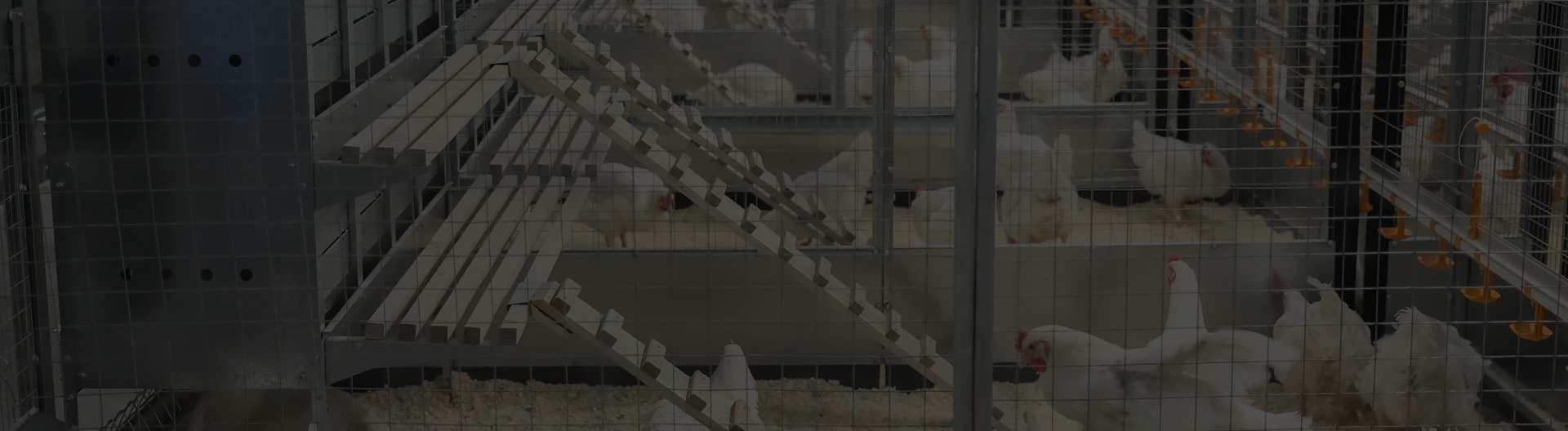
Animal Pellet Feed Machine: Essential Guide for Sustainable Feed Production
Dec . 02, 2025 11:25 Back to list
Animal Pellet Feed Machine: Essential Guide for Sustainable Feed Production
Understanding the Animal Pellet Feed Machine: A Modern Agricultural Essential
If you’ve ever wondered how farms globally manage to feed livestock efficiently while keeping feed costs manageable, the animal pellet feed machine likely plays a starring role behind the scenes. In a nutshell, this piece of equipment is reshaping animal nutrition, improving productivity, and providing sustainable solutions that ripple far beyond the barnyard. With animal agriculture growing worldwide to meet rising protein demands, understanding this machine is more relevant than ever — both practically and environmentally.
Introduction: The Global Context of Animal Pellet Feed Machines
Globally, animal protein consumption continues to rise sharply, a trend documented by the Food and Agriculture Organization (FAO). Poultry, cattle, pigs — all require balanced nutrition, often through pelletized feed that improves digestibility and reduces waste. Animal pellet feed machines address challenges like feed consistency, processing speed, and scalable production, especially vital for smallholders and industrial farms alike. According to the International Feed Industry Federation, feed production surpasses a billion tonnes annually, a staggering figure framing the scale at which pellet feed machines operate.
However, feeding billions of animals efficiently means overcoming issues such as feed contamination, nutrient unevenness, and logistics of bulk production. The animal pellet feed machine offers solutions that convert raw ingredients into uniform pellets, easing storage, transportation, and consumption — vital for food security and sustainable farming.
What Is an Animal Pellet Feed Machine?
Simply put, an animal pellet feed machine is equipment used to compress powdered animal feed ingredients into pellets. Think of it as the critical link that transforms loose materials like corn, soybean meal, wheat bran, and vitamins into dense, manageable pellets animals can eat efficiently. These machines range from small-scale units for local farms to massive industrial setups feeding thousands of animals daily.
The process mixes, conditions (using steam or heat), compresses, and extrudes the feed, often adding benefits like improved digestion and reduced dust. Modern machines can also adjust pellet size and hardness — crucial for different species, from rabbits to cattle. This technology intertwines with modern agriculture’s goals: boosting productivity, saving costs, and reducing environmental footprint.
Core Components and Key Factors of Animal Pellet Feed Machines
1. Durability & Build Quality
Because these machines typically run long hours, often in dusty or humid conditions, their durability is paramount. Most machines use heavy-duty steel for dies and rollers that resist wear. This ensures consistent pellet quality and lowers downtime — a big plus in operational efficiency.
2. Capacity & Scalability
Different farms have vastly different feed demands. Smaller animal pellet feed machines may produce a few hundred kilograms per hour, whereas industrial models reach several tons. A scalable machine lets farms grow without constantly replacing equipment — a consideration that ties into cost efficiency.
3. Energy Efficiency
On a practical level, energy consumption impacts running costs significantly. Machines optimized for less power use — often with improved motor technology or friction-reducing designs — help farms stay green and save money.
4. Ease of Operation & Maintenance
Operators need user-friendly controls and modular components to reduce complexities. Quick cleaning, easy access to parts, and simple training all contribute to minimizing downtime and keeping feed production smooth.
5. Pellet Quality & Feed Utilization
Pellet size, hardness, and durability after production influence how animals consume feed. Higher-quality pellets often mean less feed waste, better digestion, and ultimately healthier animals — the end goal, really.
Animal Pellet Feed Machine Product Specifications
| Specification | Sectional Model | Industrial Model |
|---|---|---|
| Production Capacity | 300–600 kg/hr | 2,000–5,000 kg/hr |
| Motor Power | 7.5 kW | 30 kW |
| Pellet Diameter Range | 2.5–6 mm | 2–10 mm |
| Weight | ~450 kg | ~3,200 kg |
| Material | Carbon Steel & Alloy | Stainless Steel & Alloy Mix |
Comparing Vendors Offering Animal Pellet Feed Machines
| Feature | Yize Machine | Competitor A | Competitor B |
|---|---|---|---|
| Customization Options | High (sizes, power, feed types) | Medium | Low |
| After-Sales Support | Global 24/7 | Regional Offices | Limited |
| Energy Efficiency | Advanced Motors | Standard Motors | Basic Motors |
| Price Range | $$$ | $$ | $ |
Global Applications and Real-World Use Cases
In real terms, animal pellet feed machines are pivotal across multiple sectors and geographies. In Southeast Asia, smallholder farmers rely on compact pelletizers to improve feed efficiency, enhancing income from poultry or swine. Contrast that with large-scale cattle feedlots in the US, where industrial machines sustain thousands of heads weekly. Even humanitarian organizations working in disaster zones turn to pellet feed machines to produce reliable nutrition for livestock that represent family livelihoods — a safety net beyond human food aid.
Regions with harsh climate conditions, like parts of Africa, benefit from pelletized feed that stores longer and reduces wastage during transport. Organizations promoting sustainable agriculture also use these machines to recycle agricultural by-products, reducing environmental impact and fostering circular economies.
Advantages and Long-Term Value of Investing in Pellet Feed Machines
- Cost Efficiency: Consistent pellet quality reduces overfeeding and feed loss, cutting costs over time.
- Feed Quality & Animal Health: Pellets improve digestibility and limit selective feeding.
- Sustainability: Many models support biofuel-powered operations or use locally sourced materials.
- Operational Reliability: Machines like those from Yize Machine emphasize durability and maintenance ease.
- Social Impact: In rural areas, affordable pellet production strengthens livelihoods and food security.
Frankly, it’s tough to overstate how a well-designed animal pellet feed machine fits into the larger puzzle of global agricultural development and sustainability.
Future Trends & Innovations in Animal Pellet Feed Technology
The future looks promising: automation and IoT are making machines smarter. Imagine diagnostics that alert when maintenance is due or adjust pellet hardness automatically based on feedstock. Meanwhile, research into biodegradable dies and greener materials, plus powering machines with solar or bioenergy, addresses sustainability challenges. Enhanced AI integration could optimize feed mixes for nutrition and cost in real time — sort of a precision feeding revolution.
The global push for lower greenhouse gas emissions and circular bioeconomies means animal pellet feed machines likely will increasingly become smarter, more energy-efficient, and eco-conscious.
Challenges & Solutions in Using Animal Pellet Feed Machines
One major challenge: the upfront cost, which can be prohibitive for smaller farmers. However, modular and smaller-scale pellet machines are bridging that gap. Another issue is maintenance — poor upkeep can cause downtime. Expert advice often stresses regular training and sourcing spare parts from trusted vendors, like Yize Machine, ensuring longer machine lifespans. Lastly, feed ingredient variability can affect pellet quality; using conditioning and proper grinding mitigates these effects.
FAQ: Frequently Asked Questions About Animal Pellet Feed Machines
-
Q: What raw materials can be processed in an animal pellet feed machine?
A: The machine handles grains like corn, wheat, soybean meal, rice bran, and even some recycled agricultural waste. Conditioning with steam helps pellet binding for diverse ingredients. -
Q: How do I choose the right pellet size for my livestock?
A: Pellet diameter depends on animal type and age. For example, poultry prefers smaller 2–4 mm pellets, whereas cattle require larger, 6–10 mm. Most machines allow adjustment to meet these needs. -
Q: Can animal pellet feed machines reduce feed waste?
A: Absolutely. Uniform pellet size discourages selective feeding and reduces dust, improving feed conversion efficiency and overall animal health. -
Q: Is maintenance complicated for these machines?
A: Basic maintenance is straightforward with the right training: regular cleaning, lubrication, and checking wear parts. Good vendors offer after-sales support for smooth operation.
Conclusion: Embracing the Potential of Animal Pellet Feed Machines
In a world facing rising food demands and increasing sustainability pressures, animal pellet feed machines emerge as pivotal enablers. They offer a mix of efficiency, quality, and innovation that benefits farmers globally — small or large. By investing in the right technology and support network, farms can improve productivity, reduce waste, and contribute to a more sustainable food future.
For those curious to explore the options or upgrade their feed production, it’s worth visiting https://www.yizemachine.com for in-depth product insights and tailored solutions.
Mini Takeaway: Investing in efficient, durable animal pellet feed machines is a smart move for any livestock operation aiming to boost sustainability, reduce costs, and improve animal health — and they’re only getting smarter.
References
-
Comprehensive Guide to Plastic Vacuum Packaging Machines: Benefits, Uses & Trends
NewsDec.03,2025
-
Comprehensive Guide to Sausage Vacuum Packaging Machines: Benefits, Uses, and Future Trends
NewsDec.03,2025
-
Vacuum Plastic Packaging Machine - Global Applications, Benefits & Future Trends
NewsDec.03,2025
-
Comprehensive Guide to Sheep Feed Pellet Machine – Benefits, Uses & Future Trends
NewsDec.02,2025
-
Horse Feed Pellet Machine: Essential Guide to Features, Benefits, and Global Applications
NewsDec.02,2025
-
Small Pellet Feed Making Machine: Benefits, Uses & Future Trends | Yize Machine
NewsDec.02,2025





 Afrikaans
 Albanian
 Amharic
 Arabic
 Armenian
 Azerbaijani
 Basque
 Belarusian
 Bengali
 Bosnian
 Bulgarian
 Catalan
 Cebuano
 Corsican
 Croatian
 Czech
Czech
 Danish
 Dutch
Dutch
 Esperanto
 Estonian
 Finnish
 French
 Frisian
 Galician
 Georgian
 German
 Greek
Greek
 Gujarati
 Haitian Creole
 Hausa
Hausa
 Hawaiian
 Hebrew
 Hindi
Hindi
 Miao
Miao
 Hungarian
 Icelandic
 Igbo
Igbo
 Indonesian
 Irish
Irish
 Italian
 Japanese
 Javanese
 Kannada
 Kazakh
 Khmer
Khmer
 Rwandese
 Korean
 Kurdish
 Kyrgyz
 Lao
Lao
 Latin
Latin
 Latvian
 Lithuanian
 Luxembourgish
 Macedonian
 Malgashi
 Malay
Malay
 Malayalam
 Maltese
 Maori
Maori
 Marathi
 Mongolian
 Myanmar
 Nepali
 Norwegian
 Norwegian
 Occitan
 Pashto
 Persian
 Polish
 Portuguese
 Punjabi
 Romanian
 Russian
 Samoan
 Scottish Gaelic
 Serbian
 Sesotho
 Shona
Shona
 Sindhi
 Sinhala
 Slovak
 Slovenian
 Somali
 Spanish
 Sundanese
 Swahili
 Swedish
 Tagalog
 Tajik
Tajik
 Tamil
Tamil
 Tatar
Tatar
 Telugu
 Thai
Thai
 Turkish
 Turkmen
 Ukrainian
 Urdu
Urdu
 Uighur
 Uzbek
Uzbek
 Vietnamese
 Welsh
Welsh
 Bantu
Bantu
 Yiddish
 Yoruba
 English