
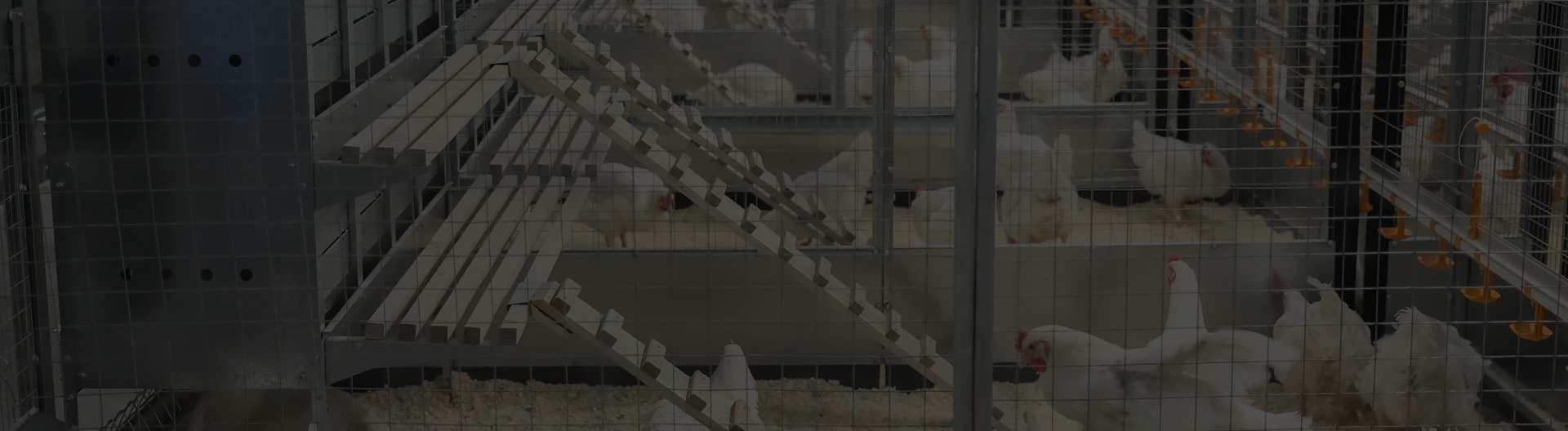
Buy Durable Broiler Chicken Cages for Sale – Efficient Poultry Solutions
Dec . 01, 2025 11:40 Back to list
Buy Durable Broiler Chicken Cages for Sale – Efficient Poultry Solutions
Understanding Broiler Chicken Cages: Why They Matter Globally
Broiler chicken cages for sale are more than just farming equipment; they’re a critical element in feeding the world’s growing population sustainably and efficiently. With global meat consumption expected to rise by nearly 15% by 2030 according to the United Nations’ Food and Agriculture Organization (FAO), solutions that optimize poultry production without compromising animal welfare or environmental responsibility are vital. This topic is big, touching on economics, ethics, and innovation all at once.
Why does it matter? Because effective broiler chicken cages can help boost production yields, reduce costs, and offer safer, cleaner conditions for birds—translating into better meat quality and ultimately, food security for communities worldwide. Let’s dive into what makes these cages so important and why understanding their design and applications is essential for farmers, distributors, and even policymakers around the world.
Global Context: The Poultry Industry’s Growing Role
Poultry farming has become one of the fastest-growing sectors in agriculture globally. According to the World Bank, broiler chicken meat accounts for over 40% of all meat produced worldwide. Yet, the industry faces challenges like disease outbreaks, labor inefficiencies, and environmental concerns.
Broiler chicken cages for sale address these head-on: they provide controlled environments that help manage health risks, optimize space, and improve feeding efficiency. But the demand isn’t uniform—emerging markets in Southeast Asia and Africa are rapidly expanding poultry production, while Europe and North America focus on sustainable and welfare-friendly solutions.
Curiously, broiler cages also intersect humanitarian efforts. In regions recovering from natural disasters, rapid meat production becomes crucial to nourish displaced communities, thus expanding the cages’ real-world impact beyond traditional farming.
What Exactly Are Broiler Chicken Cages?
Simply put, broiler chicken cages are specially designed enclosures tailored to house meat chickens (broilers) in a way that maximizes growth while minimizing waste and stress to the animals. These cages are usually made from galvanized steel or stainless steel wire mesh, configured to allow easy feeding, cleaning, and ventilation.
The “for sale” aspect indicates availability in commercial markets for farmers or agribusinesses seeking to upgrade or scale their poultry operations. Modern designs also often incorporate automated systems for feeding and water supply.
In broader terms, these cages symbolize a convergence of agricultural innovation and industrial efficiency, helping meet the twin demands of mass food production and ethical farming.
Key Features That Make a Difference
Durability
The cages must withstand daily wear from heavy use, moisture, and cleaning agents. Hot-dip galvanized steel is popular for longevity, preventing rust and structural degradation. Some producers use coated mesh for extra protection.
Scalability
Whether a smallholder farmer or an industrial-scale operation, the cages come in modular sizes. This flexibility allows easy expansion or downsizing depending on production goals or resource availability.
Cost Efficiency
Quality materials balanced with affordability are vital. Farmers want cages that last several years without requiring frequent replacement but also need to keep initial investment manageable.
Ventilation and Hygiene
Proper airflow is crucial for broilers’ health, reducing respiratory issues. Designs incorporating angled floors improve waste management and cleanability, supporting hygienic conditions that reduce outbreaks.
Animal Welfare
Increasingly, buyers look for cages that ensure enough space for natural behaviors, reducing stress and injuries. Compliance with local and international welfare guidelines is becoming a purchasing factor.
Where Are These Broiler Chicken Cages Being Used?
From vast poultry farms in the US Midwest to compact operations in rural Vietnam, broiler chicken cages find homes everywhere. In industrialized countries, they’re integrated into automated systems capable of raising tens of thousands of birds. On the other hand, developing nations rely on affordable, durable cages to boost local meat supply and livelihoods.
An interesting use case is in post-disaster zones. Relief agencies sometimes use portable cages as part of recovery programs to restart poultry production quickly—both to feed communities and rebuild income streams. Another example is focused urban farms, where space is tight but demand for fresh poultry is high.
Mini Takeaway:
The reach of broiler chicken cages spans different climates, economies, and cultural contexts, highlighting their adaptability and global importance.
The Many Benefits of Investing in Quality Broiler Chicken Cages
- Economical: Lower feed wastage and improved growth rates save money over production cycles.
- Sustainable: Designs support better manure management and energy-efficient operations.
- Reliable: Built to last, reducing downtime and replacement costs.
- Animal Health: Proper ventilation and hygienic environments lessen disease incidence.
- Social Impact: Enables farmers—especially smallholders—to increase income and food security.
On a more human note, owning robust cages often boosts farmers’ confidence in their operations and helps build trust with buyers wanting safe, traceable meat products.
Looking Ahead: Trends in Broiler Cages
What’s next in this sector? A few promising directions:
- Green Materials: Biodegradable composites or recycled metals reducing footprint.
- Automation: Integrated sensors and AI to monitor bird health and automate feeding.
- Modular Innovations: Configurations allowing rapid assembly for mobile or temporary setups.
- Regulatory Shifts: New animal welfare standards shaping cage design globally.
This hints at a future where broiler cages don’t just serve function but also communicate environmental and ethical commitments.
Common Challenges and How to Tackle Them
Despite all the advantages, users report some issues:
- Initial Cost: Sometimes a barrier for small farmers without financing options.
- Maintenance: Requires regular upkeep to avoid rust and degradation.
- Welfare Concerns: Risk of overcrowding if not properly managed.
Experts recommend solutions such as subsidies, maintenance training, and certified cage suppliers committed to welfare standards. Frankly, it feels like ongoing education in these areas can be just as crucial as hardware quality.
Broiler Chicken Cages for Sale: Specification Table
| Specification | Details |
|---|---|
| Material | Galvanized Steel Wire Mesh |
| Dimensions | Length 120 cm × Width 50 cm × Height 40 cm |
| Capacity | 10–12 Broiler Chickens per Cage |
| Coating | Hot-Dip Galvanized, Rust Resistant |
| Weight | Approx. 12 kg per Unit |
| Warranty | 2 Years Manufacturer’s Warranty |
Vendor Comparison: Choosing Your Supplier
| Vendor | Product Range | Delivery Time | After-Sales Support | Price Range (USD) |
|---|---|---|---|---|
| YizeMachine | Standard & Custom Cages | 7–14 Days | 24/7 Technical & Warranty | $45–$60 per Cage |
| AgroFarm Supplies | Basic Models Only | 2–3 Weeks | Business Hours Support | $35–$50 per Cage |
| Global Poultry Co. | Premium & Automated Systems | 14–21 Days | Dedicated Account Manager | $80–$120 per Cage |
Frequently Asked Questions About Broiler Chicken Cages for Sale
1. What should I consider when buying broiler chicken cages?
Look at material durability, cage size relative to bird capacity, ventilation design, and price. Also, think about your farm’s scale—modular cages offer flexibility if you plan to expand.
2. Can these cages improve poultry health?
Yes, proper cage design improves ventilation and keeps birds separated to reduce disease spread, but regular maintenance and good farm hygiene practices remain essential.
3. Are automated feeding systems compatible with these cages?
Many modern broiler chicken cages are designed for integration with automated feeders and waterers, enhancing operational efficiency and reducing labor costs.
4. How long do broiler chicken cages usually last?
With good care, galvanized steel cages can last 5–10 years. Warranty and maintenance programs from reputable suppliers also add peace of mind.
5. Where can I find trusted suppliers for these cages?
Trusted suppliers like YizeMachine offer a range of options from standard to custom builds, with comprehensive after-sales support that many small farmers appreciate.
Wrapping It Up
Broiler chicken cages for sale are a pillar of modern poultry farming—combining efficiency, animal welfare, and cost-effectiveness to support a critical food source worldwide. Whether you’re running a large agribusiness or a small rural farm, investing in quality cages can mean better yields, healthier birds, and ultimately, a stable livelihood.
For those interested in exploring options, I suggest checking out broiler chicken cages for sale as a starting point. They balance durability, price, and service pretty well. And honestly, with global food demands rising, the right cage today starts feeding tomorrow.
References
-
Comprehensive Guide to Plastic Vacuum Packaging Machines: Benefits, Uses & Trends
NewsDec.03,2025
-
Comprehensive Guide to Sausage Vacuum Packaging Machines: Benefits, Uses, and Future Trends
NewsDec.03,2025
-
Vacuum Plastic Packaging Machine - Global Applications, Benefits & Future Trends
NewsDec.03,2025
-
Comprehensive Guide to Sheep Feed Pellet Machine – Benefits, Uses & Future Trends
NewsDec.02,2025
-
Horse Feed Pellet Machine: Essential Guide to Features, Benefits, and Global Applications
NewsDec.02,2025
-
Small Pellet Feed Making Machine: Benefits, Uses & Future Trends | Yize Machine
NewsDec.02,2025





 Afrikaans
 Albanian
 Amharic
 Arabic
 Armenian
 Azerbaijani
 Basque
 Belarusian
 Bengali
 Bosnian
 Bulgarian
 Catalan
 Cebuano
 Corsican
 Croatian
 Czech
Czech
 Danish
 Dutch
Dutch
 Esperanto
 Estonian
 Finnish
 French
 Frisian
 Galician
 Georgian
 German
 Greek
Greek
 Gujarati
 Haitian Creole
 Hausa
Hausa
 Hawaiian
 Hebrew
 Hindi
Hindi
 Miao
Miao
 Hungarian
 Icelandic
 Igbo
Igbo
 Indonesian
 Irish
Irish
 Italian
 Japanese
 Javanese
 Kannada
 Kazakh
 Khmer
Khmer
 Rwandese
 Korean
 Kurdish
 Kyrgyz
 Lao
Lao
 Latin
Latin
 Latvian
 Lithuanian
 Luxembourgish
 Macedonian
 Malgashi
 Malay
Malay
 Malayalam
 Maltese
 Maori
Maori
 Marathi
 Mongolian
 Myanmar
 Nepali
 Norwegian
 Norwegian
 Occitan
 Pashto
 Persian
 Polish
 Portuguese
 Punjabi
 Romanian
 Russian
 Samoan
 Scottish Gaelic
 Serbian
 Sesotho
 Shona
Shona
 Sindhi
 Sinhala
 Slovak
 Slovenian
 Somali
 Spanish
 Sundanese
 Swahili
 Swedish
 Tagalog
 Tajik
Tajik
 Tamil
Tamil
 Tatar
Tatar
 Telugu
 Thai
Thai
 Turkish
 Turkmen
 Ukrainian
 Urdu
Urdu
 Uighur
 Uzbek
Uzbek
 Vietnamese
 Welsh
Welsh
 Bantu
Bantu
 Yiddish
 Yoruba
 English